


For a first visit to Istanbul, most travelers end up choosing between two big names: Sultanahmet, the historic heart of the Old City, and Taksim, the modern center of Beyoglu and Istiklal Street. Both areas work well as a base, but the experience you have will be very different depending on which you pick. This guide breaks down the trade-offs with concrete examples so you can match the neighborhood to your style, budget and trip length.
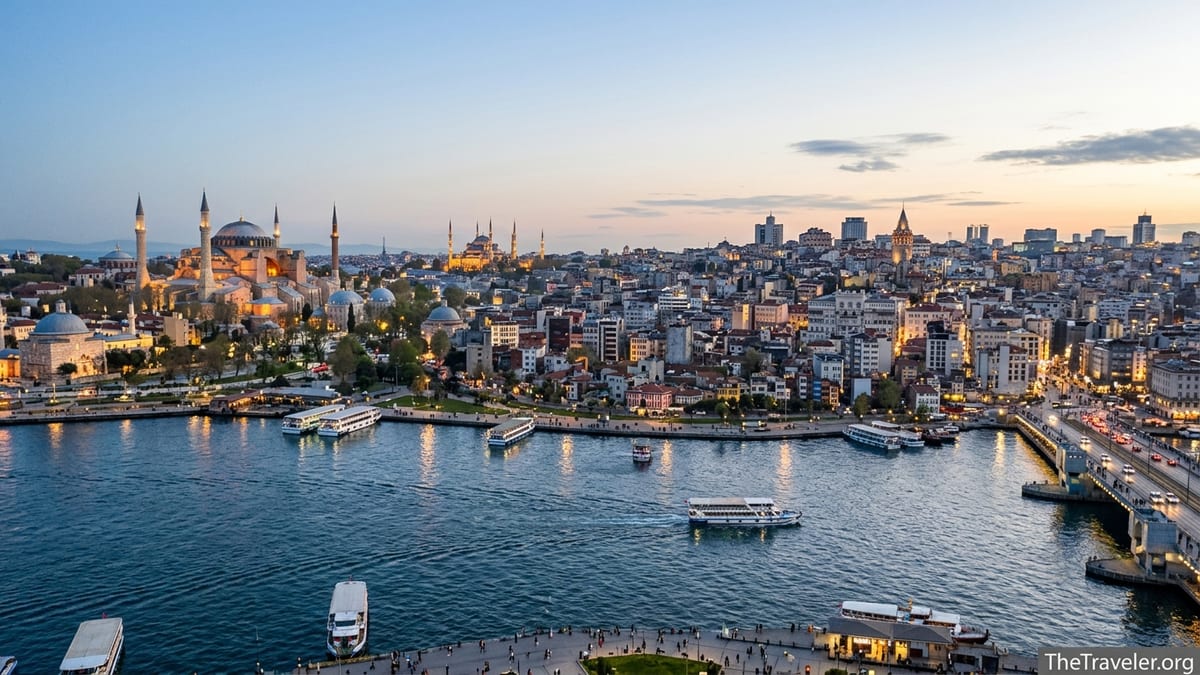
Getting Your Bearings: What Sultanahmet and Taksim Actually Feel Like
Sultanahmet sits in the Fatih district, on the historic peninsula where Istanbul’s most famous sights cluster together. Within a ten-minute walk you can move between Hagia Sophia, the Blue Mosque, the Hippodrome, the Basilica Cistern and the entrance to Topkapi Palace. Streets are cobbled and often narrow, lined with small family-run hotels, carpet shops, baklava houses and terrace restaurants with views across the Bosphorus or the Sea of Marmara. After about 10 p.m., the area becomes noticeably quiet compared with the rest of the city.
Taksim, by contrast, crowns the hill at the northern end of Beyoglu. Taksim Square itself is a busy transport and meeting hub, while Istiklal Caddesi, the pedestrian avenue leading away from the square, is one of the liveliest streets in Turkey, packed with shops, patisseries, cinemas, bars and music venues that stay open late. Side streets like Cihangir, Asmali Mescit and Cezayir Street introduce you to a more local, lived-in Istanbul, with art galleries, cocktail bars and meyhanes where people linger for hours over meze and raki.
For a first-time visitor, the choice is partly about how you like to structure your days. Sultanahmet is ideal if you want to walk straight out of your hotel into history and are happy to cross the Golden Horn or hop a tramfor nightlife. Taksim is better if you like to spend your evenings out, value restaurant choice and want to sample Istanbul’s modern culture, accepting a little more commuting to the big monuments.
It is also worth recognizing that locals often do not live or socialize in the same places tourists stay. Many Istanbulites now recommend bases slightly away from both areas, in places like Karakoy or Galata. Still, for a first short trip of three to five nights, Sultanahmet and Taksim remain the most practical and well-connected choices.
Where You Sleep: Hotel Styles, Prices and Noise Levels
In Sultanahmet, the dominant accommodation style is small and mid-sized boutique hotels, often in restored Ottoman or early Republican buildings. Many offer roof terraces facing Hagia Sophia or the Blue Mosque. A typical mid-range double room in a clean, central hotel a few minutes from Sultanahmet Square might cost roughly 100 to 180 euros per night in high season, with breakfast included, though prices fluctuate with currency swings and demand. These hotels tend to be quiet at night, and some streets feel almost village-like once day trippers leave.
A common trade-off in Sultanahmet is charm versus room size and sound insulation. Older buildings can mean smaller bathrooms, creaky floors and thin walls. Elevators are not guaranteed in every property. Before booking, look specifically for mentions of comfortable beds and reliable hot water in recent guest reviews. Popular streets like Divan Yolu and the lanes just behind the Hippodrome are very convenient but see more daytime crowds and touts compared with quieter back streets a few minutes inland.
Taksim offers a much wider range of accommodation, from global chains around the square to design hotels and budget pensions on the side streets. Large hotels like those around Cumhuriyet Caddesi or Gümüşsuyu often have modern facilities, consistent heating and cooling, gyms and good soundproofing. Nightly rates can be similar or slightly higher than Sultanahmet for comparable comfort, but deep discount deals are more common in low season. On the budget end, very cheap guesthouses exist in the backstreets near Tarlabasi; these can be a false economy for first-time visitors, as the environment may feel rough at night and noise can be a serious issue.
If you are sensitive to noise and choose Taksim, pay close attention to the exact street location. Rooms facing Istiklal Caddesi or directly above bars on Nevizade or Cezayir Street may hear music into the early hours. A hotel a short walk down to Gümüşsuyu, or uphill toward Cihangir, will usually be quieter while still putting you less than ten minutes on foot from the square and the metro.
Access to Attractions: Sightseeing Logistics from Each Area
For classic first-timer sightseeing, Sultanahmet gives you the simplest logistics. You can easily visit Hagia Sophia, Blue Mosque, Topkapi Palace, the Archaeology Museums and the Basilica Cistern without using public transport at all. The Grand Bazaar is about a 15 to 20 minute walk or a short ride on the T1 tram from Sultanahmet to Beyazit. With an efficient plan, you can cover three or four of the major sights in one day with minimal backtracking.
From Sultanahmet you can reach Taksim and Beyoglu by either walking downhill to Eminonu and crossing Galata Bridge, or more commonly by taking the T1 tram to Karakoy or Kabatas. From Kabatas, the funicular up to Taksim takes just a few minutes. In practice, this means you can base in Sultanahmet and head to Istiklal Street for dinner and drinks in around 25 to 35 minutes each way, depending on tram frequency and crowds. Ferries to Kadikoy and Uskudar for Asian-side excursions also depart from nearby Eminonu and Karakoy, so day trips across the Bosphorus are straightforward.
From Taksim, you invert the pattern. You have instant access to Istiklal Street, Galata Tower is around a 15 to 20 minute downhill walk or one stop by the historic funicular, and the art museums and galleries of Beyoglu are close at hand. To reach Sultanahmet’s big attractions, you ride the M2 metro from Taksim one stop to Vezneciler or go via the funicular to Kabatas and then take the T1 tram to Sultanahmet. Travel times usually run 20 to 30 minutes, though in summer or on religious holidays, trams can be crowded and slightly slower.
For travelers who care about variety beyond the headline monuments, Taksim has a logistical edge. It sits more or less in the middle of a triangle formed by Besiktas, Karakoy and Sisli, all reachable in roughly ten minutes by bus, taxi or on foot via short metro rides. That makes it easier to explore stadiums, waterfront parks, upscale shopping malls and local food neighborhoods within a compact radius.
Airport Transfers and Getting Around the City
Istanbul Airport, the main international hub on the European side, lies well north of the city center. From there, first-time visitors usually choose between Havaist airport buses, taxis, private transfers or, if comfortable with local systems, a combination of metro and connecting lines. The Havaist buses have dedicated routes to both Sultanahmet and Taksim, with travel times that can range from about 45 minutes to well over an hour depending on traffic and time of day.
The Havaist bus to Taksim often feels slightly more straightforward for a newcomer. Buses run around the clock at intervals that vary from roughly 20 to 40 minutes at busy times to longer gaps overnight. They drop passengers near Taksim Square, a point that most taxi drivers and hotel staff can easily describe. From there, many hotels are a short walk or a brief taxi ride even with luggage. Sultanahmet’s Havaist service tends to involve a little more walking on cobbled streets or a transfer to the tram, which can be awkward with suitcases during peak hours.
Taxis from Istanbul Airport to either Sultanahmet or Taksim can be convenient, especially after a long flight or with children. Fares fluctuate with the lira and fuel costs, but you can expect a metered ride to cost the equivalent of somewhere in the range of 25 to 40 euros for central areas, depending on traffic. Some agencies and hotels offer fixed-price private transfers in similar ranges for two or three passengers, using modern sedans or minibuses. These can be good value if you prefer to prepay, share costs between friends or avoid potential language misunderstandings on arrival.
Once in the city, Sultanahmet relies heavily on the T1 tram and walking. The tram connects you to Eminonu, Karakoy and Kabatas for ferries and the climb up to Taksim. Taksim, in turn, is the main node for the M2 metro line and many bus routes serving Besiktas, Levent and the northern business districts. Both areas work well for transit, but if most of your time will be spent shuttling between diverse neighborhoods rather than focusing on the old sights, Taksim’s central role in the network may save you a few changes.
Food, Cafes and Nightlife: Quiet Evenings vs Late Nights
Sultanahmet has plenty of restaurants, but many cater squarely to visitors. Around Sultanahmet Square, menus often feature mixed grills, clay pot casseroles and set-price kebab platters advertised on boards in several languages. Quality and value vary widely, and it is common to pay noticeably more here for a simple grilled fish or meze selection than you would a tram ride away in Kadikoy, Karakoy or Beyoglu. That said, there are some pleasant terrace spots with views of the mosques and sea where paying a small premium can feel worthwhile for the atmosphere alone.
Cafes in Sultanahmet skew toward tea gardens and dessert shops. You will find traditional Turkish delight, pistachio baklava and kunefe in window displays, along with Turkish coffee served in copper pots. Alcohol is available but not everywhere, and some restaurants lean toward a quieter, family-friendly atmosphere. After about 11 p.m., many streets become calm, and you may need to walk ten minutes or more to find a bar that stays open late. Travelers who like an early night or who are traveling with younger children often appreciate this quieter feel.
Taksim and the surrounding Beyoglu area offer the city’s densest cluster of bars, live music venues and diverse restaurants. Istiklal Caddesi itself holds everything from international chains and traditional patisseries to rooftop venues like 360 Istanbul in an old apartment building, which combine panoramic views with modern Turkish and international menus. Just off Istiklal, atmospheric passages such as Cicek Pasaji and the nearby fish market laneways host meyhanes where locals share plates of meze and grilled seafood. Streets like Nevizade and Asmali Mescit stay lively well past midnight, especially on weekends.
The nightlife variety around Taksim suits many first-time visitors in their 20s to 40s who want to experience bars, live Turkish rock, DJ sets and casual late-night eating without planning complex journeys. However, that same energy can be a drawback if your hotel is on a party street or if you prefer quiet after dark. For a balanced experience, some travelers choose hotels a little downhill toward Cihangir or near the Galata end of Istiklal, where you can walk to nightlife but sleep on calmer streets.
Best Fit for Couples, Families and Different Travel Styles
For couples on a short first visit, Sultanahmet is often the easiest choice if the focus is romance among the monuments. Waking up to a view of Hagia Sophia or hearing the evening call to prayer echo over the domes creates a powerful sense of place. Many boutique hotels in the area offer rooms with small balconies, jacuzzis or sea views that work well for anniversaries and honeymoons. With most key sights within walking distance, you can spend more time wandering courtyards and gardens and less time figuring out transport.
Couples who prioritize dining and nightlife might lean toward Taksim instead. For example, you could watch sunset from a rooftop above Istiklal, then stroll to a contemporary Anatolian restaurant like one of the fine-dining spots in Pera, and finish the night in a cozy bar listening to live jazz or modern Turkish bands. From Taksim you can also easily reach neighborhoods like Karakoy, Besiktas or Kadikoy for more under-the-radar restaurants that locals frequent, which can make the trip feel less tourist-oriented.
Families with younger children often appreciate Sultanahmet’s walkability and earlier nights. Pushing a stroller along the tram tracks between Sultanahmet Square and Gulhane Park is simpler than navigating some of Taksim’s steep side streets, and it is easier to retreat to your hotel for an afternoon nap without sacrificing sightseeing time. On the other hand, families with teenagers who enjoy shopping, street performers and evening crowds may find Taksim more engaging, especially along Istiklal with its mix of global brands, local boutiques and street food like simit and roasted chestnuts.
Solo travelers and groups of friends tend to favor Taksim for its energy and social opportunities. Hostels and budget hotels are more numerous in and around Beyoglu, and it is usually easier to meet other travelers or locals in bars, live music spots and cultural venues. That said, solo travelers who prioritize historic atmosphere, photography or early morning mosque visits may find Sultanahmet more rewarding, as they can step outside for sunrise shots of the Blue Mosque or quiet walks around the Hippodrome before tour groups arrive.
Budget, Safety and Tourist Traps: Managing Expectations
In everyday spending, Sultanahmet and Taksim both carry a noticeable tourist premium compared with more local neighborhoods. A simple doner kebab sandwich or a cup of Turkish coffee will usually cost more right beside Sultanahmet Square or on Istiklal Caddesi than it would in a residential part of Kadikoy or Besiktas. You can partially offset this by seeking out side-street lokantas that serve home-style stews and vegetable dishes to local office workers at lunchtime, where prices are lower and portions generous.
Both areas are generally considered safe for visitors, including solo travelers, as long as you use common big-city sense. Petty theft can occur in crowded spots like the tram, Istiklal Street on busy evenings or queues for major sights. Keep bags zipped, avoid carrying passports in back pockets and be cautious if approached by strangers trying very hard to pull you into a bar or carpet shop. In Taksim’s backstreets, late at night, the atmosphere can feel rougher in certain blocks; if a street looks poorly lit and deserted, choosing a parallel route with more people is a simple precaution.
Taxi scams are a recurring complaint in both Sultanahmet and Taksim. To reduce risk, insist that the driver use the meter, avoid unmarked cars and be clear about your destination before getting in. Using reputable ride-hailing apps, where available, can help with language barriers and approximate pricing. In Sultanahmet, be particularly wary of extremely pushy touts promising “special prices” for carpets, ceramics or private tours. Many shops and tours offer fair value, but any situation where you feel rushed or pressured is a sign to walk away.
If you are traveling on a tighter budget, Taksim may offer slightly better options. Cheaper eateries and street food are more plentiful within a short walk, and you can take advantage of supermarket bakeries and simit stands for breakfasts or snacks. Sultanahmet has fewer genuinely low-cost dining choices right next to the main square, so you may need to walk closer to Cemberlitas or Beyazit to find more local-priced meals.
So Which Area Should First-Time Visitors Choose?
If your first trip to Istanbul is three or four nights and your top priority is seeing the major historic sights with minimal transport, Sultanahmet usually makes the most sense. You will spend your days walking between mosques, palaces and bazaars rather than shuttling back and forth on trains, and you can retreat to your room for a rest without losing time. The atmosphere is more overtly touristy, but for many first-timers the chance to wake up with the Old City literally on the doorstep outweighs that.
If your stay is longer than four nights, or if food, nightlife and exploring different neighborhoods are just as important to you as the monuments, then Taksim or nearby Beyoglu bases become more attractive. You will accept a 20 to 30 minute ride to reach Sultanahmet’s big-ticket sights but gain far greater variety in how you spend your evenings, along with easier access to ferries from Karakoy and buses to Besiktas or up the Bosphorus.
One pragmatic compromise for a week-long trip is to split your stay: spend two or three nights in Sultanahmet to cover Hagia Sophia, the Blue Mosque, Topkapi and the bazaars at a relaxed pace, then move to Taksim or Galata for the rest of your time to focus on food, nightlife and local neighborhoods. Changing hotels once can feel like a small hassle, but it lets you experience two very different faces of Istanbul within a single visit.
Ultimately, there is no single “correct” answer. Think about how much time you want to spend on transport, how late you like to be out, whether you are more excited by historic courtyards or buzzing bars, and how sensitive you are to noise at night. Matching those preferences to the strengths of each neighborhood is the surest way to make your first days in Istanbul feel both manageable and memorable.
FAQ
Q1. Is Sultanahmet or Taksim better for a very short first trip of 2 to 3 days?
Sultanahmet is usually better for very short stays, because you can reach almost all the must-see historic sights on foot and spend less time navigating public transport.
Q2. Which area is more convenient for airport transfers from Istanbul Airport?
Taksim is slightly more convenient for many travelers, thanks to frequent Havaist airport buses that run directly to Taksim Square and the strong onward metro and bus connections from there.
Q3. Where will I find better nightlife, Sultanahmet or Taksim?
Taksim and the surrounding Beyoglu district have far more nightlife, from casual bars and live music venues to rooftop restaurants and late-opening meyhanes on streets off Istiklal Caddesi.
Q4. Is Sultanahmet too touristy to feel like the “real” Istanbul?
Sultanahmet is undeniably touristy around the main square, but the historic monuments are a core part of the city’s identity. You can balance it by visiting more local-feeling areas like Kadikoy or Besiktas during your stay.
Q5. Which area is better for families with young children?
Families with younger kids often prefer Sultanahmet, because it is compact, walkable and generally quiet at night, making naps and early bedtimes easier to manage.
Q6. Where should solo travelers stay for their first time in Istanbul?
Solo travelers who prioritize meeting people and going out at night usually do better in Taksim or nearby Beyoglu, while those focused on history and photography may prefer Sultanahmet.
Q7. Are hotels more expensive in Sultanahmet or Taksim?
Mid-range prices in both areas are broadly similar, but Taksim often has a wider spread, from very budget guesthouses to large international chain hotels, giving more choice at both ends.
Q8. How hard is it to travel between Sultanahmet and Taksim during a stay?
Travel between them is straightforward. The usual route is the T1 tram from Sultanahmet to Kabatas followed by the funicular up to Taksim, taking around 25 to 35 minutes depending on crowds and waiting times.
Q9. Is it a good idea to split my stay between Sultanahmet and Taksim?
Yes, for trips of about a week or longer, many visitors enjoy spending a few nights in Sultanahmet for the monuments, then moving to Taksim or Galata for food, nightlife and a different local feel.
Q10. Which area is safer for first-time visitors, especially at night?
Both Sultanahmet and Taksim are generally safe for visitors, but Sultanahmet feels quieter and more low-key at night, while Taksim is livelier and requires a bit more big-city awareness on crowded streets.