


The Aegean coast of Turkey stretches from the olive groves of Ayvalık down to the pine covered coves around Marmaris and Datça, mixing clear water, historic ruins and resort towns of every mood and budget. If you are trying to decide between Bodrum, İzmir, Çeşme, Alaçatı, Kuşadası, Marmaris, Datça, Akyaka, Ayvalık, Cunda and Foça, the choice can feel overwhelming. This guide compares these key destinations for beaches, nightlife, couples, families, history and quieter holidays so you can match the right stretch of coast to the trip you actually want.
How to Choose Your Aegean Base
The first decision is what kind of holiday you are truly after. Bodrum, Çeşme, Alaçatı, Kuşadası and Marmaris are classic resort hubs with large hotels, beach clubs and nightlife that runs until dawn in July and August. Bodrum’s marina and bar streets, for example, are lined with rooftop cocktail bars and late night clubs, while Alaçatı’s stone lanes are full of buzzy wine bars and DJ sets in restored townhouses. These places work well if you enjoy people watching, a choice of restaurants every night and do not mind crowds in return for convenience.
If your priority is sea and nature over nightlife, the mood shifts as you move to Datça, Akyaka, Ayvalık, Cunda and Foça. The Datça Peninsula is praised by many Turkish travelers as a quieter alternative to Marmaris, with small pebble coves like Palamutbükü, Ovabükü and Hayıtbükü known for very clear water and low key pensions right behind the beach. Akyaka, at the head of the Gulf of Gökova, attracts kitesurfers with its reliable summer winds and has a compact center where wooden Ottoman style houses line the icy Azmak River, a very different atmosphere from high rise resort strips.
History is the other big factor. If you want to tick off major ancient sites, Kuşadası and İzmir are the most practical bases. From Kuşadası, day tours run to Ephesus, the Temple of Artemis remains and the House of the Virgin Mary, while İzmir puts you within reach of Pergamon, the wine village of Şirince and the Ionian ruins around Teos and Erythrai. Bodrum adds the ruins of the Mausoleum of Halicarnassus and a Crusader era castle but is better thought of as a modern peninsula of beaches and marinas than a pure history stop.
Budget also matters. In peak season, beach clubs around Alaçatı and Çeşme often charge a per person sunbed fee that can be similar to big Mediterranean resorts, and hotel prices here and in Bodrum usually sit at the top end of the Aegean. By contrast, Ayvalık, Foça and parts of Datça still offer simple guesthouses and small family run hotels where a double with breakfast can cost less than a single sunbed day at a trendy beach club further south, especially outside late July and August.
Bodrum and İzmir: Lively Hubs With Urban Energy
Bodrum is the Aegean’s best known resort and behaves like a small city in summer. The main town curls around a harbor lined with gulets, with narrow backstreets full of bars, seafood restaurants and shops that stay open late. For beach time you typically head out to nearby bays: Gumbet for a younger crowd and water sports, Bitez for calmer shallows and a more family friendly feel, or the upscale hotels and beach clubs along the peninsula towards Türkbükü and Yalıkavak. Many travelers treat Bodrum town itself as a base and then use dolmuş minibuses or hotel shuttles to mix urban evenings with daytime swims.
Nightlife is one of Bodrum’s main draws. Along the bar street near the castle you find everything from casual meyhanes serving meze and raki to loud dance clubs with international DJs in July and August. A typical night might start with grilled sea bream or calamari at a harbor restaurant, then a cocktail on a rooftop terrace as the castle lights up, and finally a club until the early hours. Prices have risen, so drinks and restaurant bills are often closer to Western European levels than bargain beach town, something to factor in if you are deciding between Bodrum and cheaper, quieter alternatives like Foça or Ayvalık.
İzmir, by contrast, is a working city first and a coastal destination second. It sits on a wide bay, with a long seafront promenade where locals walk, cycle and gather for sunset picnics. There are no central sandy beaches to rival resort towns, but the city is an excellent hub if you want urban culture alongside day trips. From İzmir you can reach Çeşme and Alaçatı on frequent buses in about an hour and a half, head north to Foça or south to the ancient city of Ephesus via Selçuk. In the evenings, the Alsancak neighborhood’s streets fill with cafes, bars and taverns that feel more local than touristy.
For couples or solo travelers who like city energy with the option of beach days, İzmir can be a smart alternative to staying in a pure resort. You might spend one day exploring the Kemeralti bazaar and the hilltop Kadifekale ruins, another day on the Çeşme peninsula, and a third roaming wine villages inland, then still have a varied restaurant scene at your doorstep each night. Families, though, usually prefer to base directly in a resort town so children can walk from hotel to beach without a commute.
Çeşme and Alaçatı: Trendy Peninsula for Beaches and Nightlife
The Çeşme peninsula west of İzmir has developed into one of Turkey’s trendiest summer playgrounds, especially for domestic visitors and travelers from nearby Greece. The town of Çeşme has a stone castle, marina and waterfront promenade, but the main draw is the string of beaches around the peninsula. Ilıca Beach is known for shallow, warm water with a pale sandy bottom, popular with families and non swimmers. A short drive away, windier stretches like Pırlanta and Alaçatı’s surf bay attract windsurfers and kitesurfers, with several surf schools lining the shore.
Alaçatı itself is inland, a small town of restored stone houses, bougainvillea covered boutique hotels and narrow cobbled streets filled with cafes, wine bars and designer shops. In high season, the atmosphere in the evenings feels more like a Mediterranean island village than a Turkish fishing town. Many visitors spend the day at nearby beach clubs, which typically charge an entrance or sunbed fee that can include towel service and use of facilities, then return to town for dinner in a garden restaurant and drinks in a courtyard bar. It suits couples and groups of friends who enjoy nightlife and do not mind dressing up a little for the evening.
Costs here are at the higher end for the Aegean. A simple lunch at a fashionable beach club near Alaçatı can cost as much as a full dinner for two in smaller towns like Foça or Ayvalık, and hotel rates in July and August often reflect Alaçatı’s popularity as a weekend escape from İzmir and Istanbul. On the other hand, the area offers a polished experience: well designed hotels in historic buildings, inventive Aegean cuisine with plenty of seafood and local olive oil, and a dense concentration of bars within walking distance in the center.
Families who like stylish surroundings and do not mind spending more may still enjoy Çeşme and Alaçatı, especially if they base near Ilıca Beach or in quieter neighborhoods outside the very center. However, travelers seeking a simple, low key beach holiday with children often find better value and a calmer pace in Ayvalık, Kuşadası or on the Datça Peninsula.
Kuşadası and Marmaris: Big Resorts for Families and First Timers
Kuşadası and Marmaris are among the most established resort towns on the Turkish Aegean, with large hotels, package tours and plenty of structured activities. Kuşadası spreads around a wide bay, with sandy beaches like Ladies Beach close to town and larger stretches such as Long Beach a short ride away. The town’s harbor welcomes cruise ships in summer, which means a busy center on days when ships are in port but also excellent transport links and day trips. The biggest advantage of Kuşadası is proximity to the ancient city of Ephesus and other classical sites inland, making it a strong choice for travelers who want a mix of beach time and history without changing hotels.
Marmaris, further south, sits at the meeting point of pine clad hills and a long, curving bay. The main beachfront is lined with mid to large scale hotels and all inclusive resorts, many of them with kids’ pools, slides and entertainment teams. This makes Marmaris particularly popular with families looking for a straightforward resort where everything is on site and the beach is just across the promenade. Excursions include boat trips around the neighboring coves, jeep safaris into the mountains and day cruises to nearby bays that often combine swimming stops with a simple on board lunch.
Both towns offer lively nightlife, though of different styles. In Kuşadası, bar streets near the harbor cater to a mix of locals, cruise passengers and package holidaymakers, with karaoke bars, pubs and a few late night clubs. Marmaris has an entire alley of clubs packed tightly together near the marina, attracting a younger crowd in peak season. If you are traveling as a couple looking for quiet evenings and romantic walks, these areas may feel too busy in July and August, but if you like having entertainment on your doorstep, they deliver exactly that.
From a budget perspective, Kuşadası and Marmaris often sit in the middle. Package deals and all inclusive offers can make them more affordable per night than boutique heavy areas like Alaçatı, especially for families who would otherwise spend a lot on beach clubs and meals out. At the same time, they are more developed and busier than low key spots such as Datça, Akyaka or Foça, so the trade off is between convenience and atmosphere.
Datça and Akyaka: Quiet Nature, Clear Seas and Slower Days
For travelers actively seeking quieter holidays, the Datça Peninsula and Akyaka stand out. Datça extends west from Marmaris as a long, narrow peninsula where the Aegean and Mediterranean meet, dotted with small bays and villages. Instead of one continuous resort strand, you find separate coves such as Palamutbükü, Ovabükü and Hayıtbükü, each with its own small cluster of pensions, simple hotels and seaside restaurants where tables sit a few meters from the water. The beaches here are typically pebble or shingle with very clear, cool water, which appeals to strong swimmers and anyone who prefers a less crowded setting.
Datça town itself sits roughly in the middle of the peninsula and serves as a practical base if you want cafes, supermarkets and a promenade along the harbor, plus bus connections to surrounding villages. Many visitors split their time between staying in Palamutbükü for the laid back beach life and Datça town for a couple of nights of waterfront dining and boat excursions. History minded travelers add a day trip to the ruins of Knidos, an ancient city at the tip of the peninsula with a theater facing the sea and scattered remains on a headland surrounded by turquoise water.
Akyaka, at the northern end of the Gulf of Gökova, offers a different version of slow travel. The town is known for its distinctive architecture, with wooden balconies and tiled roofs framed by pine covered hills, and for the Azmak River, whose cold, clear water slips past riverside fish restaurants before meeting the sea. Short boat tours along the river show its reed lined banks and underwater vegetation, while the main town beach has shallow water suited to families with small children. Just outside town, a separate kite beach benefits from consistent thermal winds in season, attracting kitesurfers and lessons for beginners.
Both Datça and Akyaka appeal strongly to couples and independent travelers who value atmosphere over amenities. Instead of all inclusive buffets and loud pool games, you are more likely to spend your days swimming from small jetties, reading under tamarisk trees and lingering over grilled fish dinners. Nightlife is limited to a handful of bars and live music venues, and things quieten down by midnight. If you are traveling with children who need lots of structured entertainment, you may find more to do in Marmaris or Kuşadası, but for relaxed families and nature lovers these quieter corners feel like a different world from the big resorts only a couple of hours away.
Ayvalık, Cunda and Foça: North Aegean Charm and Better Value
On the northern Aegean, Ayvalık, Cunda Island and Foça offer a blend of stone house neighborhoods, olive groves and archipelago views, with a slightly cooler climate than the south in the height of summer. Ayvalık’s old town is a warren of narrow streets and 19th century houses built by Greek merchants, many now turned into small guesthouses and cafes. The main swimming area for Ayvalık is Sarımsaklı Beach, a long sandy stretch about a short drive or dolmuş ride from town, backed by small hotels and beach facilities. The sea here is usually cooler than around Marmaris but the slope is gentle, which suits families.
Cunda Island sits just offshore from Ayvalık, connected by a causeway, and has become a popular weekend escape. Its harbor area is lined with fish restaurants where you can order meze spreads and fresh seafood while watching small boats return at sunset. The island has several small coves and beach clubs, many set among pine trees overlooking clear water, and a network of walking and cycling routes inland. For couples, Cunda’s mix of atmospheric streets, sunset dinners and relatively quiet small hotels makes it a strong alternative to more crowded destinations further south.
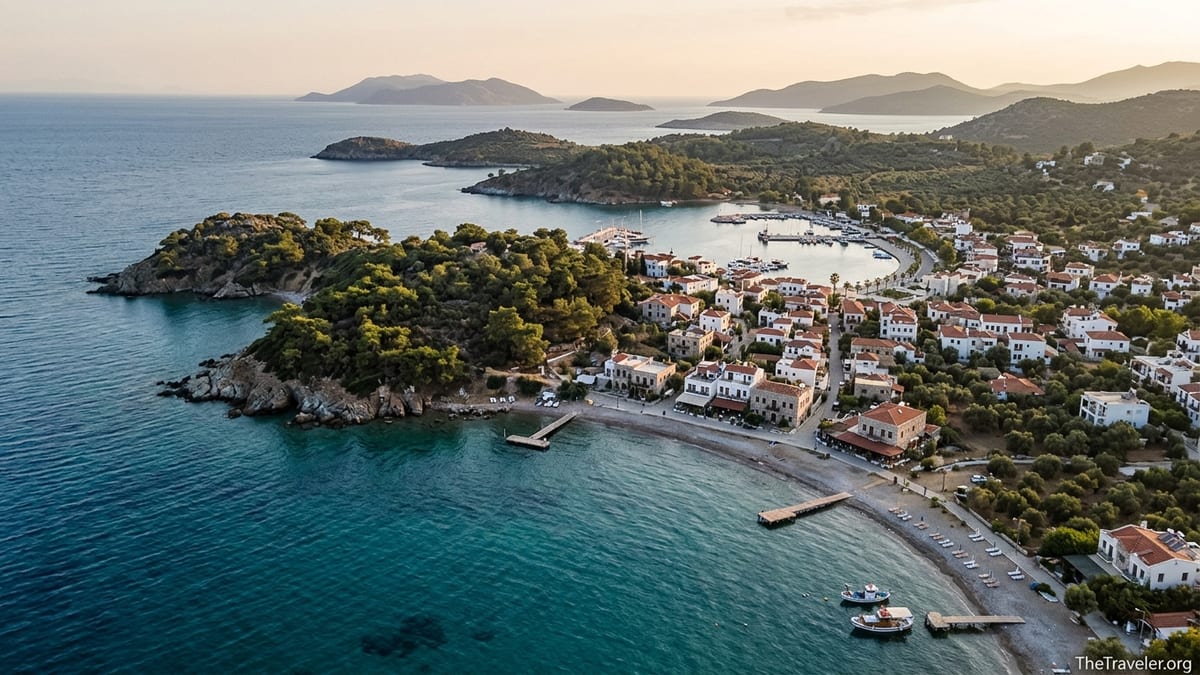
Foça, north of İzmir, combines a compact fishing town feel with a set of nearby coves. The old harbor is framed by low stone houses, and fishermen still work from small boats, supplying the meze restaurants along the waterfront. There are small town beaches right by the promenade, often used for a quick dip, and more spacious swimming spots a short boat ride or drive away around the peninsula. Foça does see weekend visitors but remains calmer than Bodrum or Çeşme, and prices for accommodation and dining are usually more moderate than the southern hotspots.
These north Aegean towns are particularly appealing if you are watching your budget or traveling outside the peak July and August rush. Shoulder months such as June and September often bring mild weather, warm enough for swimming but without heavy crowds, and room rates can be noticeably lower than in trendier southern resorts. Nightlife is mostly about long dinners, harbor strolls and maybe a low key bar, so if you prioritize clubs and beach parties you will be better served in Bodrum, Alaçatı or Marmaris.
Matching Destinations to Different Types of Travelers
For beach quality alone, there is no single winner along the Aegean coast, but there are good matches for different preferences. Families who want easy, shallow entry to the sea without strong currents often gravitate toward Ilıca Beach near Çeşme, the main beaches of Kuşadası and Marmaris, Akyaka’s town beach and Sarımsaklı near Ayvalık. Many of these areas have lifeguards in season, sunbeds and umbrellas for rent, and food options either on or just behind the sand, which simplifies logistics with children. All inclusive or large resort hotels in Kusadasi and Marmaris add pools and slides that keep kids busy even on windy days.
Couples looking for atmosphere and dining usually narrow their search to Bodrum, Alaçatı, Cunda, Foça and Datça. Bodrum offers the widest restaurant and bar choice, including upscale venues in the marina and beach clubs around the peninsula, but at higher prices and with heavier crowds. Alaçatı charms with its narrow streets and boutique hotels, though in high season its popularity means busy evenings. Cunda and Foça give you more relaxed harborfronts and fewer people, while Datça and its surrounding bays feel especially intimate if you choose a small pension steps from the sea.
Travelers who prioritize history should consider where they want to go beyond the beach. Kuşadası is the most straightforward base for Ephesus, Priene, Miletus and Didyma, combining comfortable resort facilities with guided tours to the classical sites. İzmir adds access to Pergamon and inland wine or hill villages, and Bodrum’s castle and museum of underwater archaeology provide a strong in town cultural stop. From the north, Ayvalık and Foça allow day trips to Pergamon or Troy with some planning, though journey times are longer than from İzmir.
For quieter holidays where the main plan is to swim, read and reset, Datça, Akyaka, Foça and parts of Ayvalık and Cunda stand out. In these towns, you can often find accommodation where you wake to the sound of waves or roosters rather than club music, walk down to the sea in a few minutes and spend evenings at casual taverns instead of loud bars. Transport can be slightly more involved than flying straight into Bodrum or İzmir and taking a short transfer, but many travelers find the calmer atmosphere worth the extra bus ride or car hire.
The Takeaway
The Aegean coast of Turkey stretches across very different moods, from Bodrum’s marina lights and Alaçatı’s wine bars to Datça’s pebble bays and the old streets of Ayvalık and Cunda. Rather than asking which town is objectively best, it is more helpful to decide what kind of days and nights you want, and then choose the base that matches that rhythm. If you picture late dinners and clubs, start with Bodrum, Alaçatı, Çeşme or Marmaris. If swimming between long, quiet lunches sounds more like your ideal, look closely at Datça, Akyaka, Foça or Cunda.
For many trips, combining two contrasting bases works well. You might spend a few nights in İzmir to visit Ephesus and explore the Çeşme peninsula, then move up to Ayvalık and Cunda for a slower finish. Or pair a resort like Kuşadası or Marmaris with several days on the Datça Peninsula. However you structure it, the key is to balance your appetite for nightlife, your interest in history and your tolerance for crowds against the character of each place, so that the stretch of Aegean you choose feels like the right coast for this particular journey.
FAQ
Q1. Which Aegean town is best for a first time visitor to Turkey
For a first trip focused on the Aegean, Kuşadası or Bodrum work well. Kuşadası combines easy access to Ephesus with familiar resort infrastructure and sandy beaches, while Bodrum adds a very lively waterfront and plenty of boat trips and day excursions. Both have frequent domestic flights nearby and bus connections to other coastal towns.
Q2. Where should families with young children stay on the Aegean coast
Families usually do best in Kuşadası, Marmaris, Akyaka or near Ilıca Beach on the Çeşme peninsula. These areas offer shallow, relatively calm water, a range of mid market hotels, and in Kuşadası and Marmaris many all inclusive resorts with kids clubs and pools. Akyaka’s compact size and gentle town beach also make it easy to manage with strollers and nap schedules.
Q3. Which destinations are best for nightlife and beach clubs
Bodrum, Alaçatı, Çeşme and Marmaris are the main choices if nightlife is a priority. Bodrum town has dense bar and club streets near the castle and marina, Alaçatı and Çeşme offer stylish beach clubs with DJs and evening bar scenes, and Marmaris has a concentrated club alley by the harbor. Smaller towns like Datça, Akyaka, Foça, Ayvalık and Cunda have far quieter evenings focused on dinners rather than late night partying.
Q4. What is the best base for visiting Ephesus and other ancient sites
Kuşadası is the most convenient base for Ephesus, with frequent organized tours and independent transport options to the ruins and nearby sites like the House of the Virgin Mary, Priene, Miletus and Didyma. İzmir is a good alternative if you prefer a larger city environment and also want to visit Pergamon or inland towns, but travel times to Ephesus are a bit longer than from Kuşadası.
Q5. Where can I find the quietest beaches and least developed coastline
The Datça Peninsula and some parts of the Gulf of Gökova near Akyaka are among the quietest areas mentioned here. In Datça, small coves such as Palamutbükü, Ovabükü and Hayıtbükü offer simple accommodation and clear water with limited large scale development. Around Akyaka, boat trips explore coves along the gulf that remain relatively low key compared with the main resort bays around Marmaris and Bodrum.
Q6. Are Ayvalık, Cunda and Foça good alternatives to the southern resorts
Yes, especially if you prefer a slightly cooler climate, stone house neighborhoods and a more local feel. Ayvalık and Cunda offer atmospheric old streets, island views and sandy beaches at nearby Sarımsaklı, while Foça combines a small fishing harbor with accessible swimming coves. These north Aegean towns usually have calmer nightlife and can be better value than high profile southern spots in peak season.
Q7. Is Bodrum worth the higher prices compared with other towns
Bodrum can be worth the extra cost if you value variety of restaurants, nightlife and boat excursions, and if you like the energy of a busy harbor town. You can access many different beaches around the peninsula by short rides and enjoy a wide choice of hotel styles, from simple pensions to luxury resorts. If your priority is quiet swimming and simple dinners, however, you may find that smaller towns such as Datça, Akyaka or Foça offer a more relaxed experience for less money.
Q8. Which Aegean towns are best without a rental car
If you are traveling without a car, Bodrum, Kuşadası, Marmaris and İzmir are the easiest options, as they have direct bus links, nearby airports and good local transport. From Bodrum you can use minibuses to reach surrounding beaches, while Kuşadası and Marmaris have organized excursions to nearby bays and historic sites. İzmir’s bus connections also make it practical for day trips to Çeşme, Alaçatı and Foça.
Q9. When is the best time to visit the Aegean coast for fewer crowds
The shoulder months of late May, June, September and early October are excellent for avoiding peak crowds while still enjoying warm weather and swimmable sea temperatures. During these periods, hotel rates in popular spots like Bodrum, Alaçatı and Çeşme are often lower than in late July and August, and quieter towns such as Datça, Ayvalık and Foça feel particularly pleasant.
Q10. How should I split time between two Aegean destinations on one trip
A good approach is to pair a busier base with a quieter one. For example, you might spend three or four nights in Kuşadası or Bodrum for history, boat trips and nightlife, then move on for three or more nights in Datça, Akyaka, Ayvalık, Cunda or Foça to slow down. This way you experience both the convenience and energy of a resort hub and the calmer pace of a smaller coastal town without long travel days between them.