

Istanbul is a city split between continents and personalities. On the European shore, domes and minarets rise above centuries of empire and the busiest tourist streets. Across the Bosphorus on the Asian side, daily life hums in café-filled neighborhoods where most locals actually live. Both sides are well connected and full of character, which makes one question inevitable for visitors: should you stay on the European side or the Asian side of Istanbul?
European vs Asian Side at a Glance
The European side of Istanbul is home to the city’s headline monuments, major museums, and many of its classic hotels. This is where you find Sultanahmet, with Hagia Sophia, the Blue Mosque, Topkapı Palace and the Grand Bazaar all clustered on a compact historic peninsula. Just across the Golden Horn are Beyoğlu and Karaköy, districts known for nightlife, shopping and stylish boutique hotels. For most first-time visitors, this side offers the easiest access to the sights they came to see.
The Asian side, anchored by Kadıköy and Üsküdar, shows a different face of Istanbul. These are lived-in neighborhoods with busy markets, independent shops and a higher proportion of locals than tourists. You will still find high-quality hotels and guesthouses, but they are woven into residential streets rather than concentrated around major monuments. Many repeat visitors and long-stay travelers prefer this side for its calmer pace, lower tourist density and strong food scene.
Moving between the two is straightforward. Ferries cross the Bosphorus from early morning until late evening, while the Marmaray rail line runs under the strait and connects hubs like Sirkeci on the European side to Üsküdar and Ayrılık Çeşmesi on the Asian side. A standard public transport fare with an Istanbulkart typically costs the equivalent of a little over 1 US dollar in mid 2026, which makes cross-continent commuting affordable even on a tight budget.
In broad terms, the European side suits short city breaks, first-time visits and travelers focused on museums and monuments. The Asian side suits food-oriented visitors, digital nomads, longer stays and anyone who has already “done” the classic landmarks and wants to experience more of everyday Istanbul.
Sultanahmet & the Old City: Pros and Cons
Sultanahmet is the postcard Istanbul many visitors imagine before they arrive. Staying here means waking up within walking distance of Hagia Sophia, the Blue Mosque, Topkapı Palace and the Basilica Cistern. Mid-range hotels around Sultanahmet Square and Gülhane Park often include roof terraces with skyline views across to the Bosphorus and the Asian shore. For a short first visit, especially two or three nights, the convenience is unrivaled: you can step out of your hotel and be at your first sight within minutes.
The trade-off is that Sultanahmet is one of the most touristy districts in the city. Streets directly around the main monuments are lined with souvenir shops and restaurant touts. Menus can be pricier than in more local neighborhoods, with simple kebab or pide meals often costing noticeably more than similar dishes in Kadıköy or back streets of Beyoğlu. Many cafés cater to a passing crowd, so quality varies, and some visitors report feeling like they are in a theme park version of Istanbul rather than the real city.
Accommodation in Sultanahmet ranges from budget guesthouses on narrow lanes to polished boutique hotels occupying restored Ottoman-era mansions. Prices fluctuate with season, but it is common to find mid-range rooms slightly cheaper than in the liveliest parts of Beyoğlu while still being higher than comparable stays on the Asian side. Noise can be another factor: call to prayer from several major mosques carries across the neighborhood before sunrise, which some travelers cherish as atmosphere and others find disruptive.
Transport connections from Sultanahmet are good for sightseeing and adequate for crossing to Asia. The T1 tram runs through Sultanahmet and connects to Eminönü and Karaköy, where you can board ferries to Üsküdar and Kadıköy. This makes day trips across the Bosphorus simple, though you will usually need one change of transport and a short walk rather than a direct connection from your front door.
Beyoğlu, Karaköy & Modern European Istanbul
North of the Golden Horn, Beyoğlu and Karaköy offer a more contemporary European-side base. Areas around Galata Tower, Şişhane and Karaköy combine historic buildings with cafés, cocktail bars, concept stores and art galleries. Visitors who stay here typically spend their days splitting time between the Old City and newer districts, then return to lively restaurant streets at night. It suits travelers who want both heritage and urban energy without being based directly amid the main monuments.
Karaköy has become one of Istanbul’s densest food neighborhoods, with everything from long-established lokantas serving daily stews to third-wave coffee bars and dessert shops. It is easy to find a quick lunch of fish sandwiches by the ferry docks or a sit-down meal of meze and grilled seafood in the evening. Boutique hotels and design-forward hostels occupy old commercial buildings near the waterfront, and nightly rates are often higher than in Sultanahmet but still competitive for a major city.
Up the hill, Beyoğlu stretches along İstiklal Caddesi from Galata to Taksim. This pedestrian avenue and its side streets hold live music venues, meyhanes serving rakı and meze, and bars that stay open late. For some visitors, this nightlife is a key reason to choose the European side. For others, it is a drawback: noise from late-night venues can carry into hotel rooms, especially around the busiest streets near Nevizade or Çiçek Pasajı. Carefully checking recent guest reviews about noise is essential when booking in this area.
Transport from Beyoğlu and Karaköy is a strong advantage. The T1 tram from Karaköy runs directly to Sultanahmet and the Grand Bazaar. Ferries from Karaköy and nearby Kabataş connect quickly to Kadıköy and Üsküdar, making Asian-side day trips extremely simple. The M2 metro line links Şişhane and Taksim to business districts and, via connections, to the Marmaray line under the Bosphorus. For travelers planning to crisscross the city, a base in or near Karaköy often offers the most flexibility.
Kadıköy & Moda: Everyday Life on the Asian Side
Kadıköy is the main hub of the Asian side and one of Istanbul’s most vibrant districts. Around the ferry terminal and market streets you will find fishmongers, spice stalls, bakeries and meyhanes packed with locals in the evenings. Just inland, the streets of Moda are lined with cafés, ice-cream parlors and small parks facing the sea. This is a neighborhood where many Istanbulites choose to live, and staying here gives visitors a strong sense of the city’s daily rhythm rather than a curated tourist experience.
Food is a major reason many travelers base themselves in Kadıköy. Well-known local restaurants and lokantas in the market area serve regional dishes from across Turkey, and there are numerous vegetarian-friendly spots and contemporary bistros. Prices tend to be lower than equivalent restaurants in Sultanahmet or the most polished dining rooms of Beyoğlu, especially for simple meals such as grilled fish, meze spreads or plates of beans and pilaf at lunchtime. Street food is also excellent, from simit and stuffed mussels to late-night dürüm stands around the bar streets.
Kadıköy’s nightlife scene is particularly appealing to younger visitors and those who prefer bars with a local crowd over rooftop lounges aimed at tourists. Streets like Kadife Sokak host a dense cluster of bars, live music venues and clubs, with options ranging from punk-rock dives to venues hosting Turkish indie bands and DJ sets. On weekend evenings, the area fills with residents in their twenties and thirties, and many venues stay busy until the early hours. Compared with İstiklal Caddesi or Taksim, the overall tone is more relaxed and less aggressively commercial, though it remains lively and can be crowded.
Accommodation in Kadıköy includes mid-range hotels near the ferry port, boutique properties in Moda and serviced apartments on residential streets. Many offer good value compared with similar standards on the European side. The trade-off is that you will usually need to factor in ferry or Marmaray rides most days if you plan to sightsee in Sultanahmet. For longer stays, digital nomads or travelers who prioritize food, nightlife and a neighborhood feel, this daily crossing becomes part of the appeal rather than an inconvenience.
Üsküdar & the Bosphorus Villages
Üsküdar lies directly opposite Eminönü on the Asian shore and has a more traditional character than Kadıköy. Its waterfront mosques, such as Mihrimah Sultan Mosque and Şemsi Paşa Mosque, front the Bosphorus with tranquil courtyards and views back to the European skyline. Tea gardens along the shore fill with families in the evenings, especially near the popular promenade by the Maiden’s Tower. For visitors, staying in Üsküdar offers easy access to historic mosques and neighborhoods with a strong local flavor, along with quick ferry rides back to the Old City.
Hotels in Üsküdar are fewer and more dispersed than in Kadıköy or Beyoğlu, but you can find a mix of small hotels near the waterfront, modern chain properties slightly inland and guesthouses in steeper residential quarters. Prices are often moderate compared with the most touristed European-side districts. The atmosphere is quieter at night than Kadıköy, with fewer bars and late-opening venues, which can appeal to families or travelers who want calm evenings after busy sightseeing days.
Üsküdar is also a gateway to some of the prettiest stretches of the Bosphorus. Neighborhoods like Kuzguncuk, with its colorful wooden houses and mix of churches, synagogues and mosques, make for easy half-day trips by local bus or on foot from the center of Üsküdar. Further north, Çengelköy and Beylerbeyi offer waterside cafés, old fountains and small piers where you can watch the shipping lanes. Staying in Üsküdar makes it practical to explore these quieter Bosphorus villages without long journeys.
In terms of connectivity, Üsküdar benefits from both the Marmaray line beneath the Bosphorus and frequent ferries to Eminönü, Karaköy and Beşiktaş. This makes it one of the easiest Asian-side bases for travelers who want a more conservative, residential feel while still reaching European-side attractions within a short ride. The main limitation is a more limited choice of evening entertainment compared with Kadıköy or Beyoğlu.
Transport, Bosphorus Access & Getting Around
Whichever side you choose, Istanbul’s public transport system is key to enjoying the city. The Istanbulkart is a reloadable smart card usable on trams, metros, buses, some funiculars and ferries. As of 2026, standard fares remain relatively low by European standards, and transfers between modes are discounted when using the same card within a set time window. Visitors can buy or top up cards at machines in metro and tram stations, as well as at kiosks near major stops like Sultanahmet, Karaköy and Kadıköy.
From a practical standpoint, the European side offers slightly more direct connections to headline sights. The T1 tram links tourist-heavy hubs such as Sultanahmet, Gülhane, Eminönü and Karaköy, and continues out toward shopping and transport hubs further west. The M2 metro from Şişhane and Taksim connects to other lines that reach business districts and, with transfers, both city airports. For travelers based in Beyoğlu or Karaköy, this web of lines can significantly reduce time spent in surface traffic.
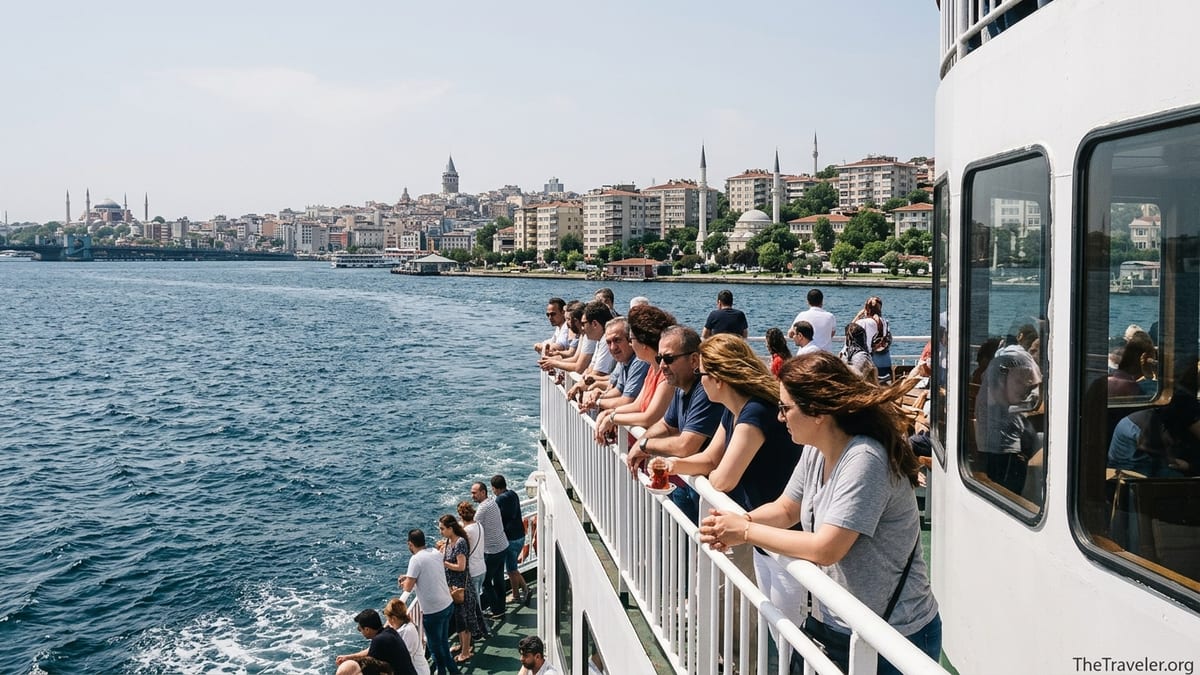
The Asian side, in turn, is exceptionally well connected to the water. Ferries between Eminönü or Karaköy and Kadıköy or Üsküdar run frequently throughout the day, with peak-hour departures every few minutes on main routes. These ferries are not just practical but also scenic, offering views of the Old City skyline and daily life along the quays. For many visitors staying on the Asian side, a morning or evening ferry ride becomes a highlight in itself, especially around sunrise or sunset when the light over the Bosphorus is particularly beautiful.
One factor that often surprises visitors is how large Istanbul feels in practice. A cross-city journey that looks short on the map can easily take 40 minutes or more once walking, waiting and transfers are factored in. When choosing which side to stay on, it is helpful to map out a couple of specific journeys from likely hotel areas to the places you most want to visit and estimate travel times. A traveler focused on old mosques, Byzantine cisterns and major museums will usually save time by staying on the European side, while one planning repeated forays into Kadıköy’s markets, Moda’s seafront and Asian-side neighborhoods may find the opposite.
Hotels, Prices, Food & Nightlife: Concrete Comparisons
On the European side, hotel choice spans grand historic properties near Gülhane Park, chain hotels in Sirkeci and boutique guesthouses around Galata Tower. Nightly prices for mid-range double rooms in central areas such as Sultanahmet or Karaköy often sit in the mid bracket for a European capital, with steep increases around major holidays and summer weekends. In return, you gain the advantage of being able to walk to multiple major sights or reach them within a short tram ride, which reduces spending on daily transport.
The Asian side, particularly Kadıköy and Moda, tends to offer better value for money at similar quality levels. Apartments and apart-hotels are common and appeal to visitors planning stays of a week or longer, or those who want kitchen facilities. You are more likely to find locally run guesthouses integrated into residential streets, and the atmosphere can feel less formal and more neighborhood-focused. Savings on accommodation can then be redirected to dining out, Bosphorus cruises or day trips.
In terms of food, both sides are rich, but the experiences differ. European-side dining in Sultanahmet and around İstiklal often caters to international tastes and short-stay visitors. You will find rooftop terraces with fixed-price menus and views of the mosques or the strait, as well as meyhane-style restaurants in Beyoğlu that specialize in long, social meals over multiple small plates. The Asian side leans more toward everyday eateries and specialty spots, from regional restaurants serving dishes from Anatolian cities to tiny dessert shops known mainly to locals. Prices for simple meals are generally a bit lower in Kadıköy and Üsküdar, although high-end options exist on both sides.
Nightlife provides another clear contrast. Beyoğlu, Karaköy and nearby streets remain the center of Istanbul’s mainstream going-out scene, with rooftop bars, cocktail lounges and clubs that attract both residents and tourists. The area can be intense at night, especially around busy weekends and holidays. Kadıköy, on the other hand, has a dense concentration of smaller venues and live music bars that attract a younger, mostly local crowd. Üsküdar’s nightlife is more subdued, focused on tea gardens, dessert shops and family-friendly cafés along the water. Travelers should match their preferred evening atmosphere to their base: those who want loud, late nights will likely feel more at home in Beyoğlu or Kadıköy than in Sultanahmet or Üsküdar.
Which Side Makes the Better Base?
There is no single right answer, but certain traveler types tend to be better suited to each side. For a first visit of two to four nights focused on the classic sights, the European side is usually more practical. Staying in or near Sultanahmet minimizes travel time to Hagia Sophia, the Blue Mosque, Topkapı Palace and the Grand Bazaar, which is especially valuable if you have only one or two full days. If you also want lively evenings and easier access to ferries for Asian-side day trips, basing yourself around Karaköy or the lower part of Beyoğlu can strike a strong balance.
For repeat visitors, longer stays, or travelers more interested in food, neighborhood life and a less touristic feel, the Asian side is increasingly attractive. Kadıköy offers a rare mix of excellent dining, nightlife, local markets and good public transport, with ferries and Marmaray trains linking quickly back to the European bank. Üsküdar works well for those drawn to historic mosques, Bosphorus promenades and quieter evenings, while still allowing straightforward trips to the Old City.
Some travelers choose to split their stay. For example, a week-long trip might involve three nights in Sultanahmet to cover the major monuments at a comfortable pace, followed by four nights in Kadıköy or Moda to explore Asian-side neighborhoods, markets and cafés. This approach reduces daily cross-city commuting and lets you experience both faces of Istanbul without constantly retracing your steps. When planning such a split, booking both accommodations with easy access to ferry piers or tram stops will simplify transfers and luggage logistics.
Ultimately, the decision comes down to where you want to spend your mornings and evenings. If your dream Istanbul morning involves walking out of your door into the courtyards of imperial mosques, the European side is your natural base. If instead you picture starting the day with coffee in a tree-lined neighborhood café, shopping at a local market and boarding a ferry into the sunset, the Asian side may fit better. Many seasoned visitors end up returning to Istanbul multiple times and trying both sides in turn.
The Takeaway
The European side of Istanbul, with its historic core in Sultanahmet and urban energy in Beyoğlu and Karaköy, remains the most efficient base for first-time visitors and short trips centered on major sights. You will be closer to the headline attractions, benefit from direct tram routes and have a broad range of hotels that cater to international travelers. At the same time, you must accept heavier tourist crowds, higher prices in the most visible streets and, in some nightlife areas, more late-night noise.
The Asian side, anchored by Kadıköy and Üsküdar, offers a more local, lived-in experience without sacrificing good transport connections. Food tends to be better value, nightlife in Kadıköy is spirited yet mostly local, and neighborhoods around Moda and the Üsküdar waterfront present a softer, everyday version of Istanbul. Reaching Old City monuments will take longer, but many visitors find the trade-off worthwhile, especially on second or third trips.
If you are planning a first, short stay focused on the main monuments, the European side, and particularly Sultanahmet or nearby Karaköy and Beyoğlu, is usually the better strategic choice. If you have more time, have seen the classics before, or are especially interested in food, music and neighborhood life, basing yourself on the Asian side, especially in Kadıköy or Üsküdar, can transform your impression of the city. In the end, Istanbul’s greatest strength is that it allows you to experience both worlds in a single day, moving between continents by ferry as the city glows on the water.
FAQ
Q1. Is it better to stay on the European or Asian side of Istanbul for a first visit?
For a first visit focused on Hagia Sophia, the Blue Mosque, Topkapı Palace and other major sights, staying on the European side is usually more practical. Areas like Sultanahmet or nearby Karaköy and Beyoğlu cut down on travel time so you can walk or take a short tram ride to most headline attractions.
Q2. Is Kadıköy too far from the main tourist attractions?
Kadıköy is not far in distance, but daily crossings add time. A typical trip from Kadıköy to Sultanahmet involves a ferry to Eminönü or Karaköy and then a tram ride, often taking around 30 to 45 minutes door to door. This is manageable on longer stays, but less ideal for very short, sight-heavy trips.
Q3. Which area is better for nightlife, Beyoğlu or Kadıköy?
Beyoğlu has more rooftop bars, clubs and late-opening venues that mix tourists and locals, while Kadıköy’s nightlife is denser in smaller bars and live music spots with a mostly local crowd. Both are good, but Beyoğlu feels more central and international, and Kadıköy feels more neighborhood-focused and relaxed.
Q4. Is Sultanahmet safe to walk around at night?
Sultanahmet is generally considered safe, especially on the main streets around the tram line and large hotels, but it becomes quieter after the major sights close. Street life and restaurant options are more limited in the late evening compared with Beyoğlu or Kadıköy, so some visitors prefer staying where there is more activity after dark.
Q5. Can I easily visit the Asian side if I stay in Sultanahmet or Beyoğlu?
Yes, it is easy. From Sultanahmet you can take the tram to Eminönü or Karaköy and then board a ferry to Kadıköy or Üsküdar. From Beyoğlu and Karaköy, ferries are even closer, so day trips to the Asian side become straightforward and inexpensive parts of your itinerary.
Q6. Is accommodation cheaper on the Asian side of Istanbul?
In many cases, yes. Comparable hotels and apartments in Kadıköy or Üsküdar often cost less than similar properties in the most central tourist areas of the European side. However, prices still vary widely by property standard, exact location and season, so it is worth comparing across several neighborhoods.
Q7. Which side is better for families with children?
Families who want to minimize transport time to key historic sights may find the European side, especially areas near Sultanahmet or Gülhane, more convenient. Families who value parks, seafront promenades and quieter evenings might prefer the Asian side, particularly parts of Kadıköy, Moda or the Üsküdar waterfront.
Q8. Is it realistic to split a stay between the European and Asian sides?
Yes, splitting a visit works well, especially for trips of a week or longer. Many travelers spend the first part of their stay on the European side for monument-focused days, then move to Kadıköy or Üsküdar to experience a more local side of the city. Changing hotels once is usually enough to experience both worlds.
Q9. Which side has better Bosphorus views?
Both sides offer excellent views, but in different ways. Many European-side hotels and rooftop terraces in Sultanahmet, Karaköy and Beşiktaş face the Bosphorus directly. On the Asian side, promenades and tea gardens in Kadıköy, Moda and Üsküdar provide sweeping views back to the Old City skyline and European shore, especially at sunset.
Q10. If I stay on the Asian side, will I miss out on the “real” Istanbul?
No. In fact, the Asian side is where a large proportion of Istanbul residents live, shop and socialize, so it offers a strong sense of everyday life. The key is to plan time on both sides: use ferries or Marmaray to visit the Old City and European museums, then return to your Asian-side base to explore markets, cafés and neighborhood streets in the evenings.