


Istanbul looks compact on the map, but in reality it is a sprawling, hilly metropolis of more than 15 million people. Crossing from the Historic Peninsula to Beyoğlu, then up the Bosphorus and across to the Asian side in a single day can mean you spend more time in traffic than inside mosques or museums. This guide breaks down Istanbul into logical neighborhood clusters and builds realistic 2, 3, 4, 5 and 7 day itineraries so you see the essentials without burning out.
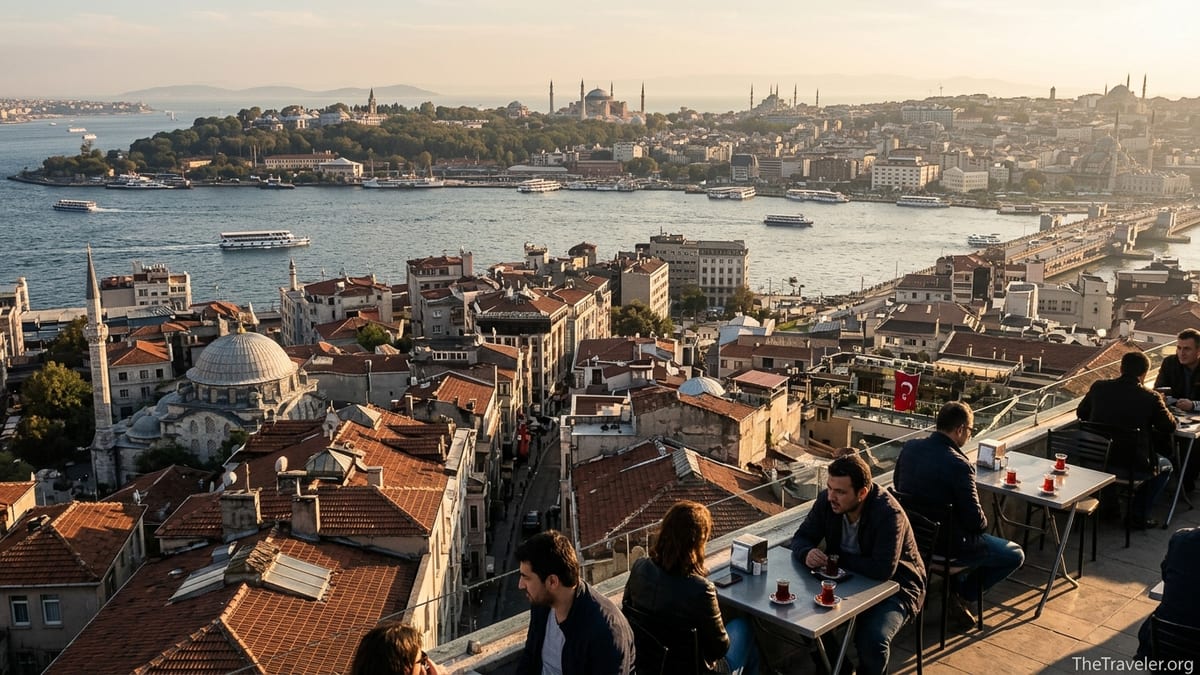
How to Think About Time and Distance in Istanbul
The biggest mistake first time visitors make in Istanbul is underestimating how long it takes to get between districts. A tram ride from Sultanahmet to Karaköy is only about 15 minutes once you are on board, but you should still allow 40 to 45 minutes door to door by the time you walk to the stop, buy or load an Istanbulkart, and wait for the tram. A taxi ride from Sultanahmet to Ortaköy can be 20 minutes on a quiet Sunday morning, or well over an hour on a busy summer evening when Bosphorus traffic stalls.
Public transport is generally affordable and reliable. As of mid 2026, a standard Istanbulkart ride on tram, metro or ferry costs a bit under 50 lira for a full fare adult, with discounts on transfers within a couple of hours. That means most visitors can budget roughly 150 to 250 lira per day for transport, depending on how much they move around. Ferries between Karaköy or Eminönü and Kadıköy or Üsküdar run frequently from early morning into late evening, and in many cases are faster and more pleasant than crossing by road.
Major sights also have security checks and ticket lines that eat into your schedule. Even with pre-purchased tickets or museum passes, plan 90 minutes to two hours for big monuments like Topkapı Palace or Dolmabahçe Palace, and at least an hour for places such as the Basilica Cistern. The Blue Mosque and Hagia Sophia involve security screening and, depending on prayer times and crowds, you may wait outside for 20 to 45 minutes.
With these realities in mind, this guide groups days by neighborhoods: the Historic Peninsula, Beyoğlu and the Golden Horn, Bosphorus districts, the Asian side, and the Princes’ Islands. Each routing assumes a comfortable walking pace, time for photos and breaks, and only one or two significant cross-city moves per day.
Essential 2-Day Istanbul Itinerary: Historic Peninsula Focus
If you only have two full days, you should base yourself near Sultanahmet or Sirkeci and concentrate on the Historic Peninsula, adding just a taste of the modern city across the Galata Bridge. This keeps your daily travel time short, helps you adjust to jet lag, and ensures you see the headline monuments that make Istanbul unique.
On Day 1, start early around 08:30 or 09:00 in Sultanahmet. Visit the Blue Mosque first while light is soft and crowds are thinner. Remember it is an active mosque; outside of prayer times you can expect to spend around 45 minutes inside including security and modest dress checks. From there walk across the square to Hagia Sophia. Even with timed entry tickets, assume 90 minutes between queuing, passing security, and slowly circling the upper galleries to take in the mosaics and massive dome.
After a late morning coffee on a side street near Sultanahmet tram stop, head to the Basilica Cistern. The visit itself takes 30 to 45 minutes if you linger over the Medusa heads and reflections, but budget an hour for ticketing and short lines. After lunch at a simple lokanta near Çemberlitaş, walk or take the tram to the Grand Bazaar. With more than 60 covered streets and thousands of shops, you could spend all day here, but two to three hours is enough to explore a few lanes, practice bargaining for textiles or ceramics, and observe daily commercial life.
Day 2 stays mostly in the old city but expands toward the Golden Horn. Start at Topkapı Palace right when it opens, ideally at 09:00. The palace complex with its courtyards, harem section and treasury typically takes at least two and a half hours for a first visit. Afterward, walk downhill toward Gülhane Park for a shaded break, then continue to Sirkeci and Eminönü. Allow time to enter the Spice Bazaar, sample Turkish delight and nuts, and watch locals buying cheese and olives for the week. In the late afternoon, cross the Galata Bridge on foot to Karaköy, grab a baklava at a well known shop near the ferry docks, then either climb up to Galata Tower for sunset views or simply wander its surrounding streets before returning by tram or on foot.
3-Day Itinerary: Adding Beyoğlu and a Bosphorus Cruise
With three days you can comfortably add Beyoğlu’s classic sights and a short Bosphorus experience while still sleeping in one central base. Many travelers choose to stay around Karaköy or Galata for this duration, since it sits between the Historic Peninsula and the rest of modern Istanbul, with ferries, trams and metro lines radiating out in all directions.
Use Days 1 and 2 much as in the two day plan, then dedicate Day 3 to Beyoğlu and the lower Bosphorus. Start at Galata Tower soon after it opens to avoid long queues. Even with a timed ticket, expect 45 minutes to an hour including elevator lines and time on the viewing platform. From there walk up through the backstreets into Çukurcuma and Cihangir, neighborhoods known for antique shops, small art galleries and cafes where locals linger over Turkish coffee or third wave brews.
Continue to İstiklal Avenue and Taksim Square. While the pedestrianized main street can feel commercial and crowded, detouring into side streets around Asmalımescit or heading toward Pera Museum gives you a better sense of Beyoğlu’s layered history. After a simple lunch near Tünel Square, ride the T1 tram or take a taxi down to Kabataş or Karaköy and board an afternoon Bosphorus cruise. The standard two hour loop up to the Fatih Sultan Mehmet Bridge and back provides a good overview of the shoreline palaces, mosques and waterfront districts without taking up an entire day.
In the evening, end in Karaköy or nearby neighborhoods such as Tomtom or Galata, where you can find rooftop terraces and meyhanes serving meze and grilled fish. Travel time back to Sultanahmet from Tophane or Karaköy is typically under 30 minutes by tram even with a short wait, so you can stay for dinner without worrying about a long return journey.
4-Day Itinerary: Bosphorus Neighborhoods and Local Walks
Four full days give you space to move beyond monuments and start experiencing the fabric of daily life in Bosphorus neighborhoods. You can keep the first three days similar to the 3-day plan, then use Day 4 as a slower, more atmospheric exploration of the waterfront on the European side.
A practical approach is to start late morning in Beşiktaş, a district with a working ferry port, fish market and small pedestrian streets. From Karaköy or Eminönü you can reach Beşiktaş in around 15 to 20 minutes by bus or taxi outside of rush hour, though allow up to 40 minutes during busy times. Grab a simit and tea by the square, then walk or take a short bus ride north along the Bosphorus to Ortaköy. This picturesque neighborhood sits almost directly under the Bosphorus Bridge, with its baroque mosque framed by the water and passing ferries.
From Ortaköy many visitors continue on foot or by bus to Arnavutköy and Bebek. The waterfront path here is one of the most pleasant urban walks in the city, lined with wooden Ottoman houses, small parks and seafood restaurants. Walking from Ortaköy to Bebek at a gentle pace, stopping for photos and a coffee, takes about 60 to 90 minutes. You can then either continue to Rumeli Hisarı to see the fortress from the outside or return by bus to Beşiktaş or Kabataş.
If you prefer a more compact route, make Day 4 a Golden Horn and Balat focus instead. Take the tram or ferry to Eminönü, then board a Golden Horn ferry toward Balat or Ayvansaray. This short trip takes around 20 minutes and saves you a long uphill walk. Spend the middle of the day wandering through Balat and Fener with their colorful houses, steep lanes and small churches and synagogues. It is easy to spend three to four hours here, especially if you stop in a cafe for a late lunch, then drift back along the waterfront paths toward the city center as the light softens.
By building a day around either the Bosphorus or the Golden Horn, you minimize backtracking and get a better sense of Istanbul’s different waterfront characters rather than treating each viewpoint as a quick photo stop.
5-Day Itinerary: Asian Side Highlights and Cross-Bosphorus Rhythm
Five days let you cross the Bosphorus properly and see the Asian side not as a rushed add-on but as a balanced part of the city. Many locals suggest that for visits of this length, staying in Beyoğlu or near Karaköy gives you the most flexibility: you are a short tram ride from Sultanahmet but also directly connected by ferry to Kadıköy and Üsküdar.
Follow the 4-day plan for your first four days, then dedicate Day 5 to the Asian side. In the morning, take a ferry from Karaköy or Eminönü to Kadıköy. The crossing itself is 20 to 25 minutes, but with boarding times and ticket checks expect about 40 minutes door to door. Kadıköy’s streets between the ferry terminal and the Bull Statue are dense with produce markets, fishmongers, spice shops and informal eateries. It is easy to assemble an impromptu brunch from gözleme, simit and fresh fruit juice for a fraction of what a sit down breakfast might cost near the major monuments.
From Kadıköy, wander toward Moda, a slightly quieter quarter with tree lined streets and a long waterfront promenade looking back toward the Historic Peninsula’s skyline. Walking from Kadıköy pier to the tip of Moda and back, with photo stops and a coffee by the sea, comfortably fills two to three hours. In the late afternoon, you can either continue by bus or a short taxi ride along the Marmara coast or simply return to Kadıköy for dinner in one of its meyhane lined side streets.
If you want a second taste of the Asian side within this same day, time your schedule to take a sunset ferry from Kadıköy or Harem to Üsküdar. From Üsküdar’s shore you get broad views of the Maiden’s Tower and the Historic Peninsula in changing light. With extra time, walk or take a short bus up the coast to Kuzguncuk, a small neighborhood known for its wooden houses and the close proximity of mosque, church and synagogue. This detour adds around two hours including transport and a short wander, so it is better reserved for those who enjoy walking and already feel oriented in the city.
By the end of five days structured this way, you will have seen not only the core monuments but also the markets, ferries and daily rhythms that define Istanbul for its residents.
7-Day Itinerary: Princes’ Islands and Free Flex Day
A full week in Istanbul offers enough time to absorb the city’s tempo without rushing. With seven days, you can keep the first five as outlined above and then add a day trip to the Princes’ Islands, plus a flexible day that can absorb bad weather, last minute shopping or an extra neighborhood you discover along the way.
Princes’ Islands ferries depart from several piers, commonly Kabataş, Kadıköy and Bostancı. For most visitors, Büyükada is the most practical choice, thanks to its range of cafes, seafront promenades and options to rent bicycles or electric carts. From Kabataş, the ferry ride can take between 75 and 100 minutes depending on whether it is a fast or regular service and how many intermediate stops it makes. A full day excursion typically means leaving the city around 09:00 and returning by early evening.
Once on Büyükada, plan on mostly walking or renting bicycles from shops near the main square. There are no private cars on the island, which makes the streets feel quieter than central Istanbul. Many travelers choose a slow circuit that includes a swim stop at a small beach club in season, a simple lunch of grilled fish or köfte on the waterfront, and an uphill walk or ride to viewpoints. Even with long breaks, you will comfortably fill six to seven hours before boarding an afternoon ferry back.
The remaining flex day in a seven day itinerary can serve several roles. You might use it to revisit a favorite area such as Balat in different light, dedicate time to museums you skipped earlier like the Istanbul Archaeology Museums or the Istanbul Modern near Karaköy, or explore a new corridor such as Nişantaşı and Maçka Park for a more contemporary, upscale side of the city. It is also wise to keep this day relatively unstructured in case rain or strong winds disrupt Bosphorus or island ferries on your planned days.
Think of the seventh day as your chance to live like a local: sleep a little later, linger over breakfast in your neighborhood, and then follow a single tram or ferry line to its end just to see where it goes. Because your core sightseeing is already done, you can afford to improvise without anxiety.
Choosing Where to Stay for 2 to 7 Days
Your base affects how realistic your daily routes will be. For very short visits of two or three days, Sultanahmet or the immediate surrounding area is still the most practical choice if your priority is walking to Hagia Sophia, the Blue Mosque and Topkapı Palace. Hotels here range from modest guesthouses tucked behind the Hippodrome to boutique properties with rooftop terraces overlooking the Marmara Sea.
For stays of four or more days, many repeat visitors prefer Beyoğlu neighborhoods like Karaköy and Galata. From Karaköy you can walk uphill to cafes and nightlife, downhill to the ferry piers, or across the bridge to the Spice Bazaar in under 20 minutes. Tram and metro connections here reduce your dependence on taxis, which can be slow at peak hours around Taksim and the Bosphorus road.
Kadıköy becomes a sensible base once you have at least five days and are comfortable using ferries daily. Accommodation here often offers better value for space and a more local, residential feeling. However, you should factor in at least 30 to 40 minutes each way by ferry to reach the Historic Peninsula’s museums, plus walking transfers on either side. This is manageable across a week but can feel tiring on a short stay where every hour counts.
Wherever you stay, always check how far it is on foot from the nearest tram, metro or ferry stop rather than judging only by distance to a major sight on the map. In Istanbul’s hilly, cobbled districts, a 10 minute uphill walk with luggage can feel much longer after a flight.
Practical Timing Tips for Neighborhood-Based Routes
To keep these itineraries smooth, it helps to think in half days and corridors rather than trying to “collect” attractions scattered across the map. A morning might be “Sultanahmet monuments” and an afternoon “Grand Bazaar and Spice Bazaar,” which are connected by tram and walkable streets. Another day might be “Galata and Cihangir” in the morning and “short Bosphorus cruise” in the afternoon, both starting and ending around Karaköy or Kabataş.
In practice, this means limiting yourself to at most two major neighborhood clusters per day. For example, combining Balat with Kadıköy in a single half day is technically possible if you use taxis or ferries efficiently, but you will likely spend more time hopping between vehicles than enjoying either area. A more comfortable pattern would be one Golden Horn day and one Asian side day on separate dates, especially in high season when temperatures and crowds are high.
Also pay attention to prayer times and weekly rhythms. Some mosques close to non worshippers around Friday midday prayers, markets are liveliest before weekends and religious holidays, and certain museums close one day per week. While operating days can change, it is wise to double check opening hours for Topkapı Palace, Dolmabahçe Palace and major museums shortly before your visit, then slot those into your itinerary first and build neighborhood walks around them.
Meal times can serve as natural anchors in these routes. Instead of dashing back to your hotel mid day, plan on lunch where you are: grab fish sandwiches from vendors near the Galata Bridge, try a set lunch menu at a lokanta in Beşiktaş, or share meze in Kadıköy before taking the ferry back. This not only saves transit time but also introduces you to different food cultures across the city.
The Takeaway
Planning Istanbul by neighborhood clusters rather than by isolated sights changes the feel of your trip. A two day visit becomes an immersive dive into the Historic Peninsula instead of a frantic attempt to race from mosque to island and back. With three days you can add Beyoğlu and a short Bosphorus cruise; with four, you gain Bosphorus or Golden Horn neighborhoods at a human pace.
Once you reach five days, the Asian side naturally fits in as its own full day, while a week gives you both a relaxed Princes’ Islands excursion and breathing space for improvisation. In every case, grouping your days around realistic walking distances, transit lines and opening hours will leave you less exhausted and more able to notice the everyday details that make Istanbul addictive: tea trays clinking on ferries, cats sleeping in bookshop windows, and the silhouette of minarets changing color as the sun moves across the sky.
Think of this guide as a framework rather than a rigid schedule. Swap days around based on weather, energy and last minute discoveries. The goal is not to “finish” Istanbul but to leave with the feeling that you moved through it with intention, balancing must see monuments with unscripted moments in its streets and along its shores.
FAQ
Q1. Is a 2-day trip to Istanbul worth it, or should I wait until I have more time?
Yes, 2 days can be worthwhile if you focus tightly on the Historic Peninsula. Stay in or near Sultanahmet, walk to Hagia Sophia, the Blue Mosque and Topkapı Palace, and add only a short visit across the Galata Bridge for a different perspective.
Q2. How many days in Istanbul is ideal for a first-time visitor?
For most first timers, 4 to 5 full days strikes the best balance. It allows you to see the major historic sights, spend time in Beyoğlu, take a Bosphorus cruise and dedicate at least one full day to the Asian side without feeling rushed.
Q3. Should I buy an Istanbulkart for just 2 or 3 days?
Yes, even short stay visitors benefit from an Istanbulkart. It works on trams, metros, buses and ferries and usually pays off within a few rides. You can buy or load it at major tram and metro stops and share one card within a couple or small group.
Q4. Which neighborhood is best to stay in for a 3-day itinerary?
For three days, consider either Sultanahmet or Karaköy. Sultanahmet keeps monument access simple if you plan to spend most of your time on the Historic Peninsula, while Karaköy offers easier evening options and direct ferries and trams to multiple districts.
Q5. Can I visit the Princes’ Islands on a 3-day trip?
It is technically possible but often not practical. The round trip ferry plus time on the island easily takes 7 to 8 hours, which is a large portion of a short stay. Most visitors with only 3 days are happier using that time for Bosphorus cruises and neighborhood exploration closer to the city center.
Q6. How should I split my time between the European and Asian sides on a 5-day visit?
On a 5-day trip, many travelers spend 3 to 3.5 days on the European side for the Historic Peninsula, Beyoğlu and Bosphorus areas, and 1 to 1.5 days on the Asian side, mostly Kadıköy, Moda and Üsküdar. This balance keeps transfers reasonable while still giving you a feel for both shores.
Q7. Are taxis a good idea for moving between neighborhoods?
Taxis can be helpful when you are tired or traveling as a group, but they are vulnerable to traffic, especially along the Bosphorus and around peak commuting hours. For many neighborhood based routes, combining trams, metro and ferries with some walking is usually more predictable than relying on taxis for every leg.
Q8. What is the best day to visit the Grand Bazaar and Spice Bazaar?
Weekdays other than Friday are usually a good compromise between atmosphere and crowds. The Grand Bazaar is closed on Sundays, and Friday midday prayers can make surrounding streets busier around mosques. Mornings tend to be calmer than late afternoons.
Q9. Is it realistic to visit Hagia Sophia, Topkapı Palace and Dolmabahçe Palace on the same day?
For most visitors this is too ambitious. Each of those palaces and monuments can easily absorb 2 hours or more including queues, security and walking between sections. It is wiser to pair Hagia Sophia with nearby sites and leave Dolmabahçe for a different day that focuses on Beşiktaş and the Bosphorus.
Q10. How far in advance should I plan my Istanbul itinerary?
If you are traveling in peak seasons like April to June or September to October, it helps to sketch your neighborhood based days and pre book key accommodation a few months in advance. However, you can keep the exact order of days flexible until you see the weather forecast, especially for Bosphorus cruises and a Princes’ Islands trip.