


Istanbul is not a city with one single center. It is a patchwork of neighborhoods spread across two continents, and the area you choose for your hotel will shape almost everything about your first visit: how quickly you reach major sights, what your evenings feel like, how late you stay out, and even how easy your airport transfer is. This guide compares the most useful areas for first-timers in 2026, with concrete examples of what it is like to stay in Sultanahmet, Taksim, Galata, Karaköy, Beşiktaş, Kadıköy and the Bosphorus waterfront neighborhoods.
How to Choose Your Istanbul Base as a First-Time Visitor
For a first trip, most visitors stay within a triangle made up of Sultanahmet on the Historical Peninsula, Beyoğlu on the opposite side of the Golden Horn (including Taksim, Galata and Karaköy), and the Bosphorus shoreline around Beşiktaş and Ortaköy. A growing number also choose Kadıköy on the Asian side for a more local, lived-in atmosphere. Each area feels different in pace, noise level and prices, even when they are only a 15-minute tram or ferry ride apart.
As a rough rule in 2026, mid-range double rooms in central Istanbul cluster between about 90 and 200 US dollars per night, with simple guesthouses in Sultanahmet and Kadıköy often nearer the lower end, and branded or design hotels in Taksim, Karaköy and along the Bosphorus pushing toward the upper end. Ultra-luxury waterfront properties, especially between Beşiktaş and Bebek, can be many times that figure. Budget travelers will usually compromise on space or finishes rather than location, because public transport connections matter more in this large, hilly city.
Think in terms of what matters most to you. If you want to walk to Hagia Sophia at sunrise, prioritize Sultanahmet or nearby Sirkeci. If nightlife and restaurants matter more than early-morning sightseeing, look to Taksim, Cihangir, Galata or Kadıköy. For a romantic stay with Bosphorus views and quieter evenings, the Beşiktaş shoreline and Ortaköy area work well, accepting that you will use taxis, trams and ferries more often for daytime sightseeing.
Airport access also plays a role. From the new Istanbul Airport on the European side, the Havaist coaches and the M11 metro line reach Taksim and other European districts faster than the Asian side, which usually requires a change via Beşiktaş, Karaköy or the ferry terminals. From Sabiha Gökçen Airport on the Asian side, Kadıköy and the eastern neighborhoods are more direct, with buses and the metro reaching Kadıköy in roughly one hour depending on traffic, and European-side areas generally taking longer.
Sultanahmet: Classic Old City for First-Time Sightseers
Sultanahmet is the postcard image of Istanbul: Hagia Sophia, the Blue Mosque, Topkapı Palace and the Basilica Cistern all clustered within walking distance. Staying here means rolling out of bed and reaching major monuments in minutes. Simple hotels and guesthouses around streets like Kutlugün Sokak or near the Hippodrome offer basic but atmospheric rooms with views over domes and minarets. For example, a small three-star hotel with a roof terrace in 2026 might quote around 110 to 160 US dollars per night for a double room in peak season.
The trade-off is that Sultanahmet is one of the most tourist-oriented corners of the city. Many restaurants on the main streets price for visitors rather than locals, and menus lean heavily on grills, mixed kebab platters and set-price menus. You can still eat well by walking a few blocks toward Çemberlitaş or down to Sirkeci, where small lokantas serve home-style food at more local prices. At night, streets become fairly quiet after the day-trip buses leave, which some travelers appreciate for sleep and others find a little too subdued.
Transport is straightforward. The T1 tram line runs right through Sultanahmet toward Kabataş and Bağcılar, linking you with Karaköy, Eminönü and the Grand Bazaar area without needing a taxi. From Istanbul Airport, most visitors either book a direct transfer or take the airport metro followed by a tram or short taxi ride. Expect around 60 to 90 minutes in normal conditions when you include changes and walking with luggage.
Sultanahmet suits first-time visitors who prioritize history, have a short stay of two or three nights, or are nervous about navigating a very large city. It is less ideal for nightlife, and couples or solo travelers who imagine lingering at wine bars, craft cocktail spots or live music venues will be happier across the Golden Horn in Beyoğlu, returning here only during the day to explore.
Taksim & Beyoğlu: Nightlife, Shopping and Central Connections
Taksim and the broader Beyoğlu district form the modern heart of European Istanbul. Around Taksim Square and along Istiklal Avenue you find international hotel brands, mid-range chains and new-build apartment hotels that appeal to travelers who prefer contemporary rooms, larger lobbies and predictable amenities. A well-reviewed four-star property just off the square might range from about 140 to 220 US dollars per night depending on season, with frequent promotions outside summer and major holidays.
This area is particularly strong for nightlife and dining. Streets running downhill from Istiklal into Cihangir, Tomtom and Çukurcuma are packed with bistros, meyhanes, third-wave coffee shops and bars. Live music venues, rooftop terraces and late-opening eateries mean you can return to your hotel on foot after midnight without needing a taxi. For example, a couple might spend an evening having meze and raki in a side-street meyhane, then walk 10 or 15 minutes back to a hotel near Taksim without feeling isolated.
Transport access is a major advantage. Taksim connects to the M2 metro line, the nostalgic tram along Istiklal, the F1 funicular to Kabataş and multiple bus routes to Beşiktaş and other neighborhoods. From Istanbul Airport, the Havaist coaches and the M11 metro line connect directly to central stops where you can transfer to M2, which often makes Taksim one of the simpler areas for first-timers arriving with luggage. Travel times from the airport typically run between 45 and 70 minutes depending on route and time of day.
The main downside is noise and crowds. Parts of Taksim and lower Istiklal stay busy well into the night, and some side streets can be rowdy on weekends. If you like the idea of Beyoğlu’s energy but want quieter evenings, aim slightly away from the square in neighborhoods like Cihangir or Pera, where smaller boutique hotels and guesthouses occupy late Ottoman buildings on side streets, balancing nightlife access with more residential surroundings.
Galata & Karaköy: Trendy Balance for Food, Cafes and Views
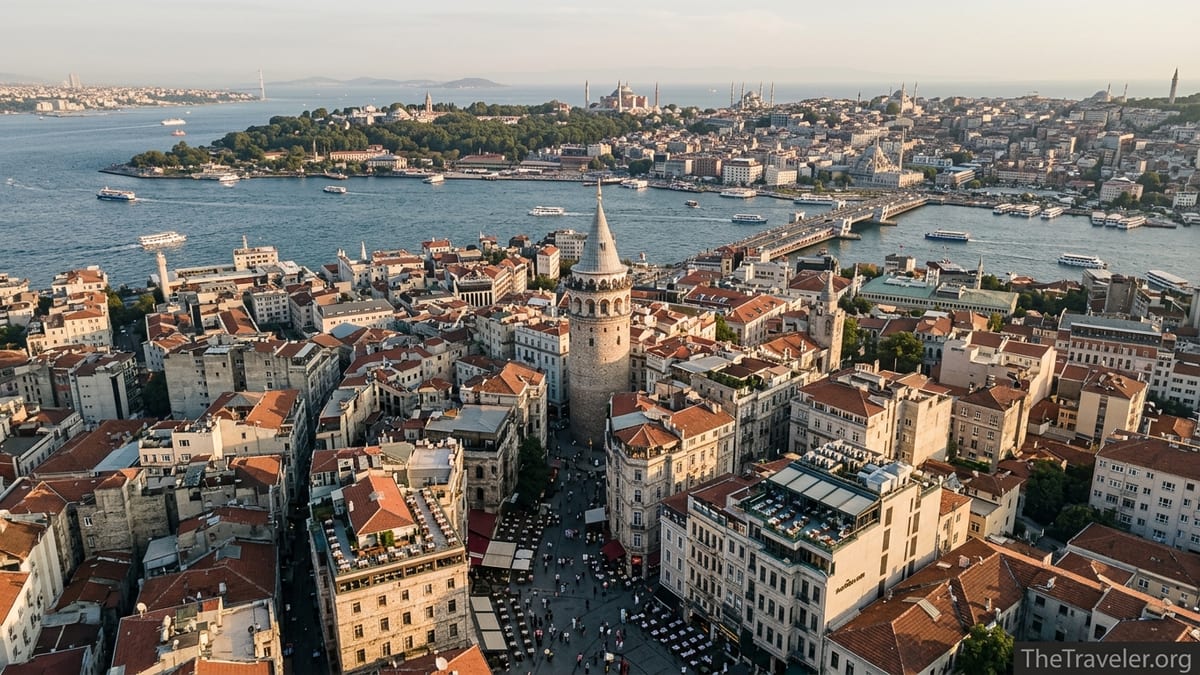
Galata and Karaköy sit between Sultanahmet and Taksim, both geographically and in character. Galata climbs the hill around the historic Galata Tower, with narrow streets, independent boutiques and small design hotels. Karaköy stretches along the waterfront and up toward the bridge, mixing old warehouses and new developments with some of the city’s densest clusters of cafes and contemporary restaurants. Many experienced visitors now choose this area as a base because it feels central, social and walkable without the same intensity as Taksim’s busiest blocks.
Accommodation ranges from converted bank buildings and small luxury hotels in Karaköy to compact apartments and guesthouses tucked into Galata’s backstreets. A stylish design hotel in Karaköy with high ceilings and a rooftop breakfast terrace might start around 160 US dollars per night in shoulder season, while a simple but well-kept apartment-hotel near Galata could fall closer to 110 or 130 US dollars. Many properties here emphasize industrial details, exposed brick and local art, appealing to design-conscious travelers and couples.
From a practical point of view, Galata and Karaköy work very well for mixed itineraries. The T1 tram stops at Karaköy and runs directly over the Galata Bridge to Sultanahmet and the Grand Bazaar area, often in about 10 to 15 minutes. Ferries from Karaköy connect to Kadıköy and Üsküdar on the Asian side, making day trips across the water easy. You can also walk uphill to Taksim in roughly 20 to 30 minutes, or take the short funicular from Karaköy to the upper end of Istiklal if you prefer to avoid steep climbs.
This area suits travelers who want a balanced Istanbul: enough historic atmosphere in Galata’s streets, strong cafe and restaurant choices, and straightforward tram and ferry access. Families with older children and couples often find it ideal, while those with very young children or mobility issues should pay attention to the steep slopes and cobblestones around the tower when choosing a specific hotel address.
Beşiktaş & Bosphorus Neighborhoods: Waterfront Atmosphere and Relaxed Evenings
Beşiktaş is both a busy transport hub and the gateway to some of Istanbul’s most atmospheric Bosphorus neighborhoods. Around the central Beşiktaş square you will find student-friendly cafes, fish restaurants and lively bars, as well as ferries heading across to Kadıköy and Üsküdar. Walking or driving north along the water takes you through Ortaköy, Kuruçeşme and Arnavutköy, where old wooden houses, waterfront mosques and upscale restaurants line the Bosphorus shore.
For accommodation, Beşiktaş itself offers modern business-style hotels and serviced apartments that work well for longer stays or travelers who want larger rooms. Prices here vary widely, from smaller three-star properties around the inner streets at roughly 100 to 150 US dollars per night, to high-end international names near the waterfront that easily exceed 250 dollars. Farther along the Bosphorus, boutique hotels and luxury conversions of mansions in Ortaköy and Arnavutköy target couples and honeymooners, often with room rates that reflect prime views of the water and bridges.
The feel is distinctly different from Sultanahmet. Evenings revolve around strolling the Bosphorus promenade, having dinner by the water or meeting friends in casual bars rather than ticking off monuments. A couple might, for example, base themselves in Ortaköy, have breakfast looking at the Bosphorus Bridge, then take a taxi or bus to Kabataş and connect by tram to Sultanahmet for sightseeing. Return in the late afternoon for a relaxed sunset drink by the water, avoiding the most tourist-heavy restaurant strips.
Transport is good but requires more changes than in Beyoğlu. Frequent buses run between Beşiktaş, Kabataş and Taksim, and ferries cross to the Asian side. If you plan to focus heavily on Old City sights, you will probably combine buses, trams and short taxi rides most days. For travelers who value a quieter, scenic base, are willing to commute a bit to the main monuments, and want to experience daily Bosphorus life, Beşiktaş and its shoreline neighborhoods are a strong choice.
Kadıköy: Local Vibe on the Asian Side
Kadıköy, on the Asian side of Istanbul, feels more like a lived-in city than a tourist stage set. Its markets, bar-lined streets and extensive residential neighborhoods make it a favorite for longer stays, digital nomads and repeat visitors. In the central Moda and Yeldeğirmeni areas, you will find many small guesthouses, apart-hotels and boutique properties aimed at travelers who want to slip quickly into local rhythms. Prices for mid-range stays often compare favorably to similar quality on the European side, with modern double rooms in many cases starting under 120 US dollars per night.
From a first-timer perspective, Kadıköy is ideal for travelers who prioritize food, coffee culture and neighborhood life over instant access to Big Four monuments. You might spend mornings wandering the fish and vegetable markets, sampling simit and Turkish breakfast plates, and afternoons exploring independent bookstores or sitting in sea-facing parks in Moda. In the evening, streets like Kadife Sokak fill with locals heading to bars and live music, and you can cap the night with an easy walk back to your hotel rather than a cross-city taxi ride.
Getting to the Old City and Beyoğlu from Kadıköy is more time-consuming, but ferries add an enjoyable element. In practice, many visitors commute by ferry from Kadıköy to Karaköy or Eminönü in around 20 to 30 minutes, then walk or take the tram to Sultanahmet. Metro lines also connect Kadıköy to the Marmaray tunnel and other parts of the city, though these can be crowded at peak times. From Sabiha Gökçen Airport, direct buses and metro lines to Kadıköy are among the fastest options, often making this area an efficient base for travelers using that airport.
Kadıköy suits younger couples, solo travelers and anyone planning four nights or more in Istanbul who wants to blend tourism with daily life. Families with small children and very short-stay visitors may prefer to sleep closer to the main monuments and visit Kadıköy for a dedicated day or evening instead, using the ferry as part of the experience.
Airport Access, Safety and Practical Tips by Area
In 2026, Istanbul has two main airports used by international travelers: Istanbul Airport on the European side and Sabiha Gökçen Airport on the Asian side. For Istanbul Airport, the most straightforward public transport options mostly serve the European districts first. Areas like Taksim, Şişli and parts of Beyoğlu connect directly to the airport metro and Havaist coach routes. From these, you can reach Galata and Karaköy with short tram or taxi rides, and Sultanahmet with a metro plus tram combination or door-to-door transfer. If your flight arrives late at night, many first-time visitors choose Taksim, Galata or Karaköy because taxis and shared shuttles are widely available and drivers are very familiar with the route.
From Sabiha Gökçen, Kadıköy and the Asian shore are more practical, with dedicated buses and metro services that avoid crossing the Bosphorus by road. Travelers staying in Sultanahmet, Taksim or Beşiktaş from Sabiha often budget more time, as traffic over the bridges can be heavy at peak hours. In all cases, it is wise to allow generous margins for airport journeys; locals routinely plan 60 to 90 minutes door to door in normal conditions, and longer in rush hour.
Regarding safety, the central areas covered here are busy, well-lit and accustomed to tourists. Standard city precautions apply. Petty theft can occur in crowded trams, around major squares and in nightlife streets, so keep valuables close and avoid carrying passports in open bags. When choosing a hotel, look for properties on or near main streets rather than isolated back alleys, especially if you expect to return late from dinner or bars. Reviews from the last year are a good indicator of how a street feels at night and whether nearby bars, clubs or construction cause noise issues.
Payment is increasingly cashless in Istanbul, though many small bakeries and corner shops still prefer cash. In touristy districts such as Sultanahmet and Taksim, card payments are easy, while in more residential pockets of Kadıköy and Beşiktaş you might use a mix of both. The city transport card system works across trams, metros, buses and ferries, so once you check in you will quickly find that most daily journeys involve tapping in and out, not negotiating prices.
The Takeaway
Choosing where to stay in Istanbul is less about finding the single “best” neighborhood and more about matching your base to your priorities. Sultanahmet is unbeatable for walking to the major sights, but feels the most touristy and quiet at night. Taksim and Beyoğlu excel at nightlife, restaurants and central transport, at the cost of more noise and crowds. Galata and Karaköy offer a balanced middle ground with strong dining, easy tram and ferry links, and a more human scale of streets.
Along the Bosphorus, Beşiktaş and the waterfront neighborhoods like Ortaköy and Arnavutköy trade quick monument access for daily life by the water and romantic views, especially attractive for couples and longer stays. On the Asian side, Kadıköy immerses you in local markets, bars and parks, rewarding visitors who are comfortable using ferries and do not mind commuting a bit to classic sights. None of these areas is objectively right or wrong for a first visit; they simply highlight different versions of Istanbul.
For a three-night first trip focused on sightseeing, many travelers choose Sultanahmet or Karaköy. For five or more nights that mix history, food and nightlife, splitting a stay between Sultanahmet and either Galata or Kadıköy can work well, giving you two distinct perspectives on the city. Whatever you decide, aim to stay near a tram, metro or ferry stop, read recent reviews for noise and comfort, and remember that in Istanbul, your neighborhood is as much a part of your trip as any museum or mosque.
FAQ
Q1. What is the best neighborhood to stay in Istanbul for a first-time visitor?
For a short first visit focused on major sights, Sultanahmet is most convenient because you can walk to Hagia Sophia, the Blue Mosque and Topkapı Palace in minutes. If you prefer livelier evenings, consider Galata or Karaköy, which still have easy tram access to the Old City but offer better dining and nightlife.
Q2. Where should I stay in Istanbul for nightlife?
Taksim and the broader Beyoğlu area are best for nightlife, with many bars, clubs and live music venues around Istiklal Avenue and side streets in Cihangir and Çukurcuma. Kadıköy on the Asian side also has a strong bar scene, especially around Moda and Kadife Sokak, with a more local, less tourist-oriented feel.
Q3. Which neighborhood is best for couples or a honeymoon?
Couples often choose Bosphorus-side areas like Ortaköy, Arnavutköy or upscale parts of Beşiktaş for romantic views and quieter evenings. Boutique hotels in Galata and Karaköy also appeal to couples, combining characterful buildings, good restaurants and easy access to ferries and trams for daytime exploring.
Q4. What is the best area to stay in Istanbul with children?
Families usually appreciate being close to transport and sights without too much late-night noise. Sultanahmet works well for walking to attractions during the day, while quieter streets in Galata, Cihangir or parts of Beşiktaş offer more local parks, family-friendly cafes and easier access to the Bosphorus for ferry rides.
Q5. Is Kadıköy a good base for a first trip to Istanbul?
Kadıköy is an excellent base if you are comfortable using ferries and public transport. It offers great food, markets and a local atmosphere, and ferries to Karaköy or Eminönü make Old City visits enjoyable. For very short trips of two or three days, some travelers still prefer staying on the European side and visiting Kadıköy for a day.
Q6. How far are the main neighborhoods from Istanbul Airport?
Travel times vary with traffic and route, but in typical conditions many visitors reach Taksim or central Beyoğlu in about 45 to 70 minutes using the airport metro or Havaist buses. Sultanahmet and Beşiktaş usually take closer to an hour or more with transfers. Kadıköy on the Asian side often requires changing to ferry or metro connections and can take longer.
Q7. Which area is safest for tourists to stay in Istanbul?
Central, well-lit districts that see steady foot traffic, such as Sultanahmet, Galata, Karaköy, central parts of Beyoğlu, Beşiktaş and Kadıköy, are generally considered safe for visitors. Normal big-city precautions apply: keep valuables secure, avoid very dark side streets late at night and use licensed taxis or reputable ride-hailing services.
Q8. What is the best neighborhood for luxury hotels and Bosphorus views?
The Bosphorus shoreline between Beşiktaş and Bebek hosts many of Istanbul’s high-end waterfront hotels, with rooms and suites overlooking the strait. You will also find luxury options in Karaköy and around Taksim, but for iconic water views and historic mansions converted into hotels, Beşiktaş and nearby Ortaköy are especially strong choices.
Q9. Should I split my stay between two neighborhoods?
Splitting a longer trip can be a good idea. Many travelers spend the first two or three nights in Sultanahmet for focused sightseeing, then move to Galata, Karaköy or Kadıköy for a more local and food-oriented experience. This reduces daily commuting and lets you experience both the historic core and a lived-in neighborhood.
Q10. Are hotels in Sultanahmet more expensive than in other areas?
Not necessarily. Sultanahmet has a wide range of small hotels and guesthouses, and many mid-range options are similar in price or even cheaper than comparable properties in Taksim or along the Bosphorus. However, high-end hotels with landmark views in any district, including Sultanahmet, can be significantly more expensive than simpler stays in areas like Kadıköy or inner streets of Beşiktaş.