

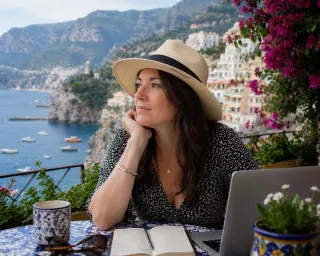
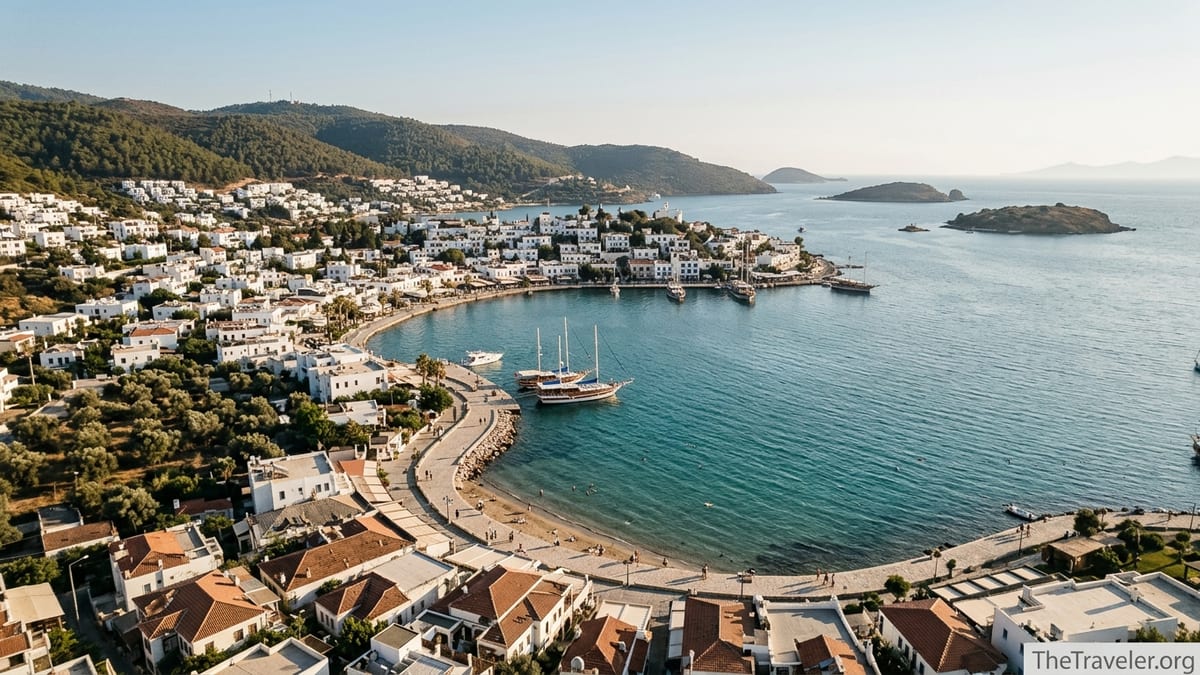
The Aegean coast of Turkey is where turquoise water meets olive groves, whitewashed villages and some of the most impressive ancient cities in the Mediterranean. Compared with the hotter, package-heavy Mediterranean resorts, the Aegean feels breezier and more laid-back, with a mix of working port cities, polished marinas, quiet peninsulas and lively beach towns. This guide is written for first-time visitors who want to understand the region at a glance, choose the right base and know what things actually cost on the ground.
Understanding Aegean Turkey and When to Go
The Aegean coast stretches roughly from Ayvalık in the north to Datça and Marmaris in the south, with İzmir and Bodrum as the main hubs. For a first trip, most travelers focus on the arc between Ayvalık, İzmir, Çeşme and Alaçatı in the north, and Kuşadası, Bodrum, Marmaris and Datça further south. Distances are manageable: for example, İzmir to Çeşme is about 85 kilometers and usually around 1.5 to 2 hours by bus, while İzmir to Kuşadası is around 100 kilometers and about two hours by coach.
Weather shapes the experience. June and September are the sweet spots for first-timers who want beach time without peak crowds or high-season prices. Daytime highs sit around the high 20s Celsius, sea temperatures are warm enough for long swims and you can still explore ancient sites like Ephesus comfortably in the morning or late afternoon. July and August bring hotter temperatures, busier beach clubs and higher hotel rates, especially in Bodrum and Alaçatı, which are popular with domestic holidaymakers.
Spring and autumn are ideal if you care more about ancient sites and hiking than swimming. In April, you can visit Pergamon from Ayvalık or İzmir without the heat haze, then drive or bus to Şirince for wine tasting in cool, green hills. November to March is low season: many beach clubs close, but city bases like İzmir and year-round towns such as Bodrum still function, with lower hotel prices and more space in local restaurants.
For a first-time itinerary of 7 to 10 days, it is realistic to combine one urban base with one or two coastal resorts. For example, you might spend three nights in İzmir to see Ephesus and Pergamon, then four nights split between Alaçatı and Çeşme for beaches and food, or pair a Bodrum stay with a few quieter days on the Datça peninsula.
Key Bases: İzmir, Çeşme, Alaçatı and Ayvalık
İzmir, Turkey’s third-largest city, is often the most practical gateway for the northern Aegean. İzmir Adnan Menderes Airport has frequent domestic flights from Istanbul and Ankara plus seasonal international routes from Europe. The city itself is more about waterfront promenades, markets and café culture than about beaches, so treat it as an urban base rather than a seaside resort. Neighborhoods like Alsancak and Karşıyaka are popular with visitors for their seafront walks, meyhanes serving Aegean meze, and easy access to tram and metro lines.
From İzmir, day trips open up much of the northern Aegean. Buses and organized tours run daily to Ephesus near Selçuk, often combined with the House of the Virgin Mary and the hill village of Şirince. Other excursions include Pergamon (Bergama) to the north and Alaçatı and Çeşme to the west. A typical shared minibus, or dolmuş, fare from İzmir bus station to Çeşme is usually in the low hundreds of lira one way, making it a cost-effective option compared with private transfers.
Çeşme sits at the tip of its namesake peninsula, with a compact harbor town, 16th century castle and several sandy beaches within short bus or taxi rides. Ilıca Beach is one of the best known, with pale sand and shallow, warm water that suits families. Around the peninsula you will find both public beaches and pay-per-day beach clubs. For example, a mid-range beach club might charge a daily entrance fee equivalent to 10 to 20 euros per person in high season, which usually includes a sunbed and umbrella, with food and drinks extra.
Alaçatı, about 15 to 20 minutes inland from Çeşme by taxi or dolmuş, is a restored stone-house town now famous for boutique hotels and windsurfing conditions. In summer, cedar-shaded courtyards fill with diners and the narrow lanes under bougainvillea can feel busy well into the night. Prices reflect the demand: you will see stylish boutique hotels with summer rates comparable to or slightly below mid-range Mediterranean islands, but it is still possible to keep costs down by choosing guesthouses a few streets back from the main drag and eating at lokantas where locals line up for home-style dishes at lunchtime.
North of İzmir, Ayvalık offers a different mood. This former Greek-Ottoman port has stone houses, old churches turned into cultural centers, and access to Cunda Island by causeway. It is popular with Istanbul residents who come for seafood mezes and sunsets over the islands. Beaches in this area are a mix of sandy bays and small coves, often less crowded than those to the south. Ayvalık works especially well as a two- or three-night stop on a self-drive trip between Istanbul and İzmir, with a side trip into the pine-clad hills of the nearby national park.
Southern Resorts: Bodrum, Kuşadası, Marmaris and Datça
Further south, the feel of the coast gradually shifts from urban to more resort-focused. Bodrum is the flagship destination, a whitewashed harbor town dominated by a medieval castle. The main town mixes working marina and lively nightlife with access to quieter bays on the peninsula. Direct flights into Milas Bodrum Airport in summer make it a straightforward entry point for international travelers. Bodrum town beach is compact, so regular visitors often base themselves in neighboring areas such as Bitez, Gümüşlük or Türkbükü, each with its own balance of local life and polished hotels.
Kuşadası, south of İzmir, is one of the more affordable big resorts on the Aegean and a common base for cruise ship passengers visiting Ephesus. The town has a long seafront promenade, several city beaches and easy dolmuş access to nearby Ladies Beach and the national park beaches to the south. For a first-time visitor focused on value, Kuşadası can be attractive: mid-range hotel rooms in high season are often noticeably cheaper than equivalents in Bodrum or Alaçatı, and many restaurants advertise fixed-price menus targeted at families and groups.
Marmaris, further along the coast in Muğla province, is set around a large, sheltered bay backed by forested hills. It has a reputation for a busy bar street and package-style nightlife, but it also serves as a gateway to more tranquil spots. Short dolmuş rides or boat shuttles link Marmaris with quieter areas such as İçmeler and Turunç, and local agencies sell day trips along the rugged Datça and Hisarönü peninsulas. The surrounding national park offers viewpoints and forested roads where you can pull over to see clusters of inlets and islands scattered below.
The Datça peninsula, stretching west into the Aegean between the Mediterranean and the open sea, is one of the region’s quieter corners. Datça town itself remains low-rise and relatively small, with a harbor where fishing boats sit alongside yachts. Many visitors come for slow days of swimming at small beaches such as Kumluk and Taşlık, or to explore coves reached via short drives along the peninsula. At the tip lies the archaeological site of Knidos, where the remains of theaters and temples overlook two natural harbors. The road out is winding, but the combination of sea views and scattered ruins appeals to travelers seeking an alternative to the busier resorts.
Ancient Cities, Villages and Inland Excursions
One of the main reasons the Aegean stands out from other beach regions in Europe is the density of ancient sites within easy reach of resorts. Ephesus near Selçuk is the best-known. Allow at least two to three hours to walk its marble streets, from the grand theater to the Library of Celsus and the terraced houses. Many first-time visitors join organized day tours from İzmir, Kuşadası or even Bodrum, which typically include round-trip transport, a licensed guide and entrance fees. Alternatively, you can reach Selçuk by regular intercity buses or regional trains from İzmir, then take a short taxi or local minibus to the site entrance.
North of İzmir, Pergamon (Bergama) sits on a dramatic hill with views across the plains. A cable car whisks visitors up to the acropolis area, where the remains of steep theaters and temples cling to the slope. A combined day from İzmir or Ayvalık often pairs Pergamon with visits to local villages or a stop at nearby geothermal springs. Because the site is more spread out than Ephesus, comfortable shoes and water are important, especially in warmer months.
Around Bodrum and Marmaris, history and coastal scenery mix. Bodrum contains the ruins of the Mausoleum at Halicarnassus, one of the classical Seven Wonders, and the Castle of St Peter, whose walls and towers now house an underwater archaeology museum. From Marmaris, boat trips along the coast often include stops at ancient harbor sites where you can swim to shore or climb up to scattered walls and tombs hidden among pine trees. On the Datça road, Knidos rewards the effort of getting there with a combination of archaeological remains and a panorama of sea on both sides of the peninsula.
Village life is never far from the resorts. Around Alaçatı and Urla, you can spend a morning visiting vineyards that produce Aegean wines, then continue to small seaside communities with simple fish restaurants where the catch of the day is priced by weight. Near Kuşadası and Selçuk, Şirince’s stone lanes and pension houses provide a contrast with the large hotels on the coast, and in the hills behind Bodrum and Marmaris, traditional villages still host weekly markets where farmers sell olives, honey and herbs directly from stalls.
Practicalities: Getting Around, Costs and First-Time Planning
The Aegean is easy to navigate once you understand the main transport options. For long-distance journeys between cities and resorts, intercity buses are the backbone of the network. Companies run frequent services between İzmir, Kuşadası, Bodrum and Marmaris, with modern coaches, allocated seating and air conditioning. Tickets are usually bought online in advance or at bus company offices in town centers and bus stations. For example, a daytime bus from İzmir to Bodrum typically takes around 4 hours, with a short rest stop midway.
For shorter hops along the coast and between towns and their surrounding beaches, dolmuş minibuses are the most common choice. These shared vans operate on fixed routes, stopping wherever passengers signal along the road. Fares are low, often equivalent to just a few euros or less even for journeys of 20 to 30 minutes, and payment is made in cash to the driver. It is common, for example, to take a dolmuş from Kuşadası center to the national park beaches or from Bodrum to nearby bays such as Ortakent or Yalıkavak without any need for advance booking.
Car rental gives more flexibility, especially if you plan to explore areas like Datça or Ayvalık and the surrounding countryside. Major international brands operate at İzmir and Bodrum airports, and there are also many local agencies in resort towns. Daily rental rates vary by season and car type, but in shoulder months you can often find compact manual cars at prices that compare favorably with booking multiple private transfers. Driving is on the right, roads between major centers are generally in good condition, and fuel prices fluctuate, so it is worth checking current averages shortly before your trip.
Daily costs depend greatly on where you stay and how you eat. In high-end pockets of Bodrum or Alaçatı, a seafront dinner for two with shared meze, fish and wine can easily approach Western European prices. In contrast, a casual lunch at a lokanta in İzmir or Marmaris might consist of a plate of stewed vegetables, rice and a soft drink for the equivalent of a few euros. Public beaches are free, while private beach clubs charge admission or require a minimum spend, but they often provide comfortable loungers, showers and full restaurant service. Building a first-time budget that mixes both styles can keep overall costs reasonable without sacrificing occasional splurges.
Food, Culture and Beach Life
Culinary culture on the Aegean coast leans toward vegetables, olive oil and seafood. Meze spreads at coastal restaurants often feature dishes such as fava bean purée, stuffed vine leaves, grilled octopus and seasonal greens sautéed with garlic and lemon. In Çeşme and Alaçatı, you may find menus highlighting local herbs and cheeses, while in Ayvalık and Cunda Island, seafood restaurants set up tables along the water for long, sociable dinners. Street-level eating is just as rewarding: in İzmir, you can try gevrek, the local style of sesame ring similar to simit, or kumru sandwiches filled with cheese and sausage.
Cafés and dessert shops are part of daily life. In most towns you will come across patisseries selling baklava and sütlaç rice pudding, as well as modern coffee bars that cater to younger crowds. Beach towns like Bodrum and Marmaris blend traditional tea gardens with contemporary beach clubs that play music into the evening. In Alaçatı, stylish bars occupy restored stone houses and often require reservations on peak summer weekends, while in Kuşadası and Marmaris, many waterfront venues are more casual, welcoming walk-ins with live music and simple meze plates.
Beach life itself varies from place to place. Around Çeşme, sandy beaches such as Ilıca and Altınkum attract families and water sports enthusiasts, with windsurfing and kitesurfing schools taking advantage of steady breezes. In Bodrum, some bays have pebbly shores and deep, clear water ideal for snorkeling, while others offer long stretches of sand lined with wooden jetties draped in cushions. Marmaris and Kuşadası have city beaches close to hotel strips, as well as quieter national park areas where pine trees reach down to the shoreline and facilities are minimal.
Beyond the beach, you will notice cultural contrasts between urban and resort areas. İzmir retains a strong local identity, with its seafront Kordon promenade busy at sunset with families, couples and groups of friends sitting on the grass. Ayvalık and Cunda emphasize their architectural heritage through restored houses and small art spaces. Bodrum’s harbor hosts both traditional wooden gulets and modern yachts, and the town has a long-standing association with artists and writers. In smaller villages behind the coast, traditional coffeehouses and weekly produce markets offer a window into everyday rural life that feels far removed from the polished marinas.
The Takeaway
For a first-time visitor, the Aegean coast of Turkey offers a manageable mix of city, sea and history without requiring complicated logistics. With two main airports, a dense network of buses and ferries, and plenty of accommodation options at different price levels, it is relatively straightforward to put together an itinerary that suits your budget and interests. You could spend a week between İzmir, Ephesus and the Çeşme peninsula, or head straight to Bodrum and Datça for a more exclusively coastal trip.
Whatever combination you choose, the hallmarks of the region remain consistent: clear Aegean water, olive groves, low-rise stone towns and a deep historical layer that runs from classical theaters to Genoese castles. Planning ahead for the hottest months, understanding how dolmuş minibuses work and setting a realistic food and beach budget will help ensure that your first encounter with the Aegean feels relaxed rather than rushed. Many travelers find that a single visit simply sets the stage for returning to explore another peninsula or island scattered along this varied stretch of coast.
FAQ
Q1. How many days do I need for a first trip to Aegean Turkey?
For a balanced first visit, plan on 7 to 10 days. That gives you time for one city base such as İzmir, at least one resort area like Çeşme or Bodrum, and a full day to explore a major ancient site such as Ephesus without rushing.
Q2. Is it better to fly into İzmir or Bodrum for the Aegean coast?
Choose İzmir Adnan Menderes Airport if you plan to focus on the northern Aegean, including Çeşme, Alaçatı, Kuşadası and Ephesus. Milas Bodrum Airport works better if your main goal is the Bodrum peninsula, Marmaris or Datça, especially in summer when seasonal flights are more frequent.
Q3. Do I need a car to explore the Aegean coast?
You can manage without a car if you stick to main routes and popular resorts, using intercity buses and dolmuş minibuses. Renting a car becomes more useful if you want to combine quieter areas such as Ayvalık or Datça with inland villages, vineyards or lesser-visited ancient sites where public transport is infrequent.
Q4. How expensive is the Aegean compared with Istanbul or Antalya?
Prices vary by town. High-end areas of Bodrum and Alaçatı can feel as expensive as central Istanbul for dining and accommodation, while Kuşadası, Marmaris and inland parts of İzmir province often offer better value. In general, the Aegean is comparable to or slightly less expensive than major Mediterranean resort regions if you use public transport and mix casual meals with occasional splurges.
Q5. When is the best time of year to visit for swimming and sightseeing?
June and September are ideal months that balance warm sea temperatures with manageable heat at archaeological sites. July and August are best for pure beach holidays but can be very hot for walking around places like Ephesus or Pergamon during midday. April, May and October suit travelers more focused on culture and hiking than on long days in the water.
Q6. Are the beaches in İzmir itself good for swimming?
Central İzmir is a working waterfront city rather than a beach resort. For the classic Aegean beach experience you will usually travel out to the Çeşme peninsula, nearby coastal towns such as Foça or Urla, or further south toward Kuşadası. Many visitors base themselves in the city but plan day trips to the coast.
Q7. Can I visit Greek islands from the Aegean coast of Turkey?
In summer, several ports along the Aegean coast have ferry links to nearby Greek islands, often on seasonal schedules. For example, some routes connect the Çeşme area with nearby islands, and Bodrum has long-standing links to neighboring islands across the water. Timetables and operating months can change, so always check current schedules before planning a specific crossing.
Q8. What should I wear when visiting ancient sites and villages?
Light, breathable clothing, a hat and sturdy walking shoes are recommended for archaeological sites, along with sun protection and water. In villages and religious locations, modest dress is appreciated: covering shoulders and avoiding very short shorts or beachwear away from the seafront helps you blend in and respect local norms.
Q9. Is the Aegean coast suitable for families with children?
Yes, many Aegean resorts work well for families. Shallow, sandy beaches such as Ilıca near Çeşme or some national park beaches near Kuşadası are popular with children, and most larger hotels offer pools and family rooms. Dolmuş minibuses are easy to use with older children, while families with younger kids often prefer to arrange private transfers or rent a car for flexibility.
Q10. How far in advance should I book accommodation in summer?
For July and August stays in popular places like Bodrum town, Alaçatı or Çeşme, booking several months ahead is wise, especially for small boutique hotels and seafront rooms. In June, September and outside peak holidays you often have more flexibility, but it is still sensible to secure your first and last nights well in advance and leave some room in the middle of your trip for spontaneous changes.