


Turkey is not a single destination so much as a collection of very different worlds. In a single trip you can watch the sunrise over Cappadocia’s otherworldly valleys, drift in the Mediterranean off a beach in Antalya, and stand beneath the vast dome of Istanbul’s Hagia Sophia. With limited time and a huge choice of regions, the real challenge is deciding where to go first. This guide compares Turkey’s major destinations to help you match the right places to your interests, budget and travel style.
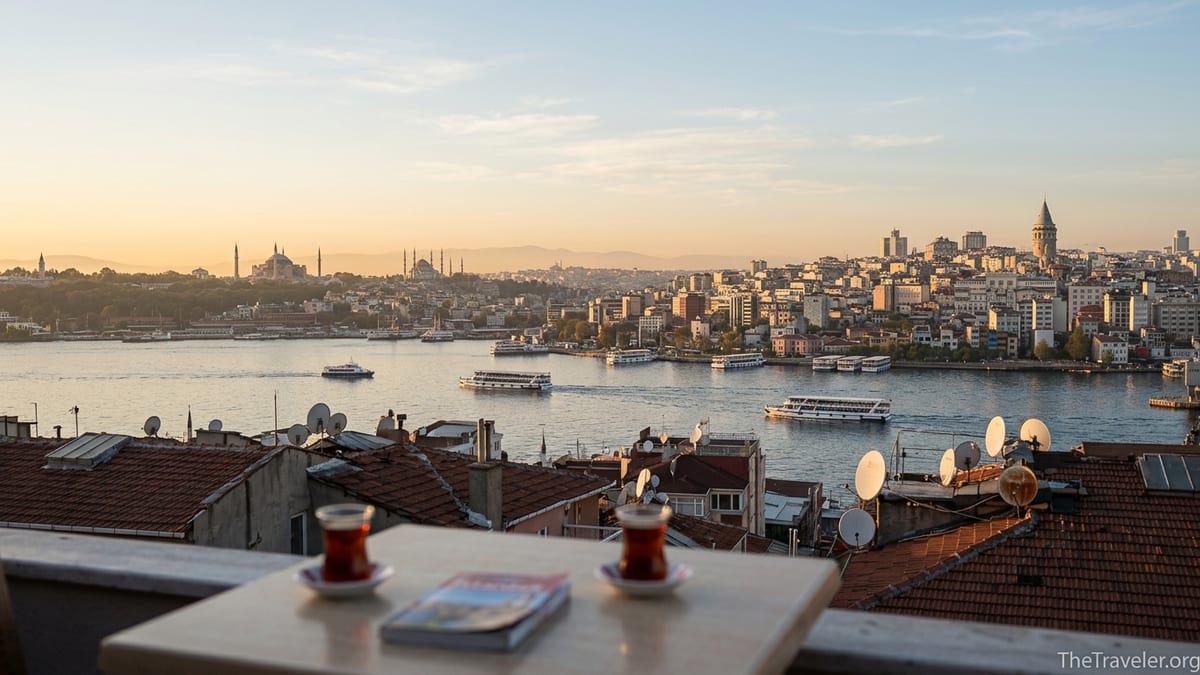
Istanbul: Essential First Stop for Most Visitors
For most travelers, especially first timers, Istanbul is the best introduction to Turkey. It combines blockbuster historic sites with lively neighborhoods, good public transport and flight connections to almost everywhere else in the country. First time visitors typically spend at least three full days, splitting time between the Old City around Sultanahmet and more local-feeling districts like Karaköy, Beyoğlu and Kadıköy.
In Sultanahmet you find Hagia Sophia, the Blue Mosque and Topkapı Palace all within walking distance. As of early 2026, visitors enter Hagia Sophia through a ticketed system for tourists, with prices that are similar to a mid range guided museum visit in Western Europe, while Turkish citizens access the prayer area separately. Many travelers book half day walking tours that bundle Hagia Sophia, the Blue Mosque and the Basilica Cistern, which saves time queuing and helps make sense of the dense history inside each building.
Modern Istanbul delivers a very different mood. Across the Galata Bridge, districts like Karaköy and Cihangir are full of third wave coffee shops, rooftop bars and design hotels in restored townhouses. A couple might stay in a small boutique guesthouse near Galata Tower and spend evenings walking Istiklal Avenue, taking the historic red tram, or joining a Bosphorus sunset cruise that sails past Dolmabahçe Palace and the waterside mansions of the city’s European and Asian shores.
For families, Istanbul can be intense but rewarding. The efficient tram and metro systems make it realistic to stay near Gulhane Park or Sirkeci and reach the main sights without taxis. Practical touches matter: many cafes now have English menus and card payments are standard, so you can stop spontaneously for pide or grilled fish sandwiches without worrying about cash. For most first time itineraries, Istanbul plus one additional region is an ideal balance.
Cappadocia: Landscapes, Hot Air Balloons and Boutique Caves
Cappadocia in central Turkey is where many travelers fall in love with the country. The region’s tuff rock valleys, carved cave churches and stone villages feel like nowhere else. Most visitors base themselves in Göreme, Uçhisar or Ürgüp for two to three nights, enough time to hike a valley or two and still rise before dawn for a hot air balloon flight if weather allows.
Hot air ballooning is Cappadocia’s signature experience and prices have climbed sharply in recent years. By 2024 and 2025, common online rates for standard 60 minute flights were in the range of roughly 200 to 300 euros per person, depending on the season, with last minute in person discounts sometimes available when demand is low. Because flights are regulated and can be cancelled for wind on short notice, most travelers book for their first morning in Cappadocia and keep a second day flexible as a backup.
On the ground, a typical couple might spend one day hiking in Love Valley or Rose Valley, then visit the underground cities at Derinkuyu or Kaymaklı on a guided day tour that includes transport between scattered sites. Boutique cave hotels are a big part of the appeal here: many mid range properties in Göreme offer stone carved rooms, shared terraces with panoramic views of the balloons at sunrise, and breakfast spreads of olives, cheeses and fresh bread included in the room rate.
Cappadocia works well for adventurous couples and photography lovers, but it can also suit families if you pace yourselves. Many day tours involve walking uneven paths and stairs, so parents with young children often opt for private drivers rather than group buses, allowing more flexibility for rest stops, snacks and early returns if anyone gets tired.
Antalya, Fethiye, Kaş and the Turquoise Coast
The stretch of Mediterranean known as the Turquoise Coast is Turkey’s classic beach and sailing region. Antalya, a large city framed by the Taurus Mountains, is one of the main gateways. Konyaaltı Beach on the western side of the city is a long pebble shore with dramatic mountain views and a tram line that runs almost to the water, while Lara Beach to the east offers a strip of soft sand backed by large all inclusive resorts with kids clubs and water slides. This split makes Antalya a flexible choice for both independent travelers and families who want resort comfort with a major city nearby.
Farther west, Fethiye and the small town of Ölüdeniz draw visitors with sheltered lagoons and easy access to boat trips. A family might base in Fethiye’s marina area, taking a twelve island day cruise one day and a dolmuş minibus to Ölüdeniz the next for calmer, shallow water suitable for children. Couples focusing on scenery often favor Kaş, a smaller, more compact town built on a hillside above a rock coast. There, beach days usually mean platforms and ladders into clear water rather than long sandy strands, and evenings are about slow dinners in stone alleyways lit by strings of lights.
Compared with Antalya’s mega resorts, Fethiye and Kaş feel more low rise and intimate. Instead of buffets, you are more likely to eat at family run lokantas and meyhanes, choosing grilled sea bream or meze plates while local cats wander underfoot. For active travelers, this coast doubles as a base for paragliding above Ölüdeniz, sea kayaking over the sunken ruins at Kekova, or hiking short sections of the Lycian Way trail.
For first timers choosing between these options, Antalya suits those who like a city plus beach environment and may be arriving on direct package flights, while Kaş and Fethiye are better for independent travelers willing to connect via Dalaman airport and spend longer in one place. Budget wise, Antalya’s large resort competition often brings good value for families who use kids clubs and buffet meals heavily, while smaller coastal towns can be more cost effective for couples who prefer local restaurants and simple pensions over large hotels.
Bodrum, Marmaris and the Aegean Coast
On the Aegean side, Bodrum and Marmaris anchor another major beach region. Bodrum combines an atmospheric harbor dominated by the Castle of St. Peter with a long seafront lined by cafes, bars and gulet sailing boats. In summer it becomes one of Turkey’s liveliest nightlife hubs, drawing Turkish and international visitors for beach clubs and evening promenades. A typical mid range hotel in Bodrum town might be a whitewashed low rise with a small pool, within a five to ten minute walk of the waterfront.
Marmaris, a few hours further south by road, is more obviously built around package tourism, with an extended beachfront promenade, rows of sunbeds and a dense strip of bars. Many UK and European families book week long all inclusive packages here that include flights, transfers and large resort hotels with multiple pools. If you want a familiar beach holiday format with predictable costs and a strong focus on pools and entertainment, Marmaris can be easier to understand and budget than more scattered coastal regions.
Bodrum, by contrast, is better for travelers combining beach time with day trips and some shopping or dining variety. From Bodrum you can take short boat rides to quiet coves, visit nearby villages like Gümüşlük for seafood on the water’s edge, or browse boutique shops in the backstreets just inland from the marina. Prices in central Bodrum during peak summer often rival mid range Mediterranean European destinations, so shoulder seasons in May, early June, September and October are attractive for value and milder weather.
For first time visitors trying to decide between the Turquoise Coast and the Aegean, the Aegean generally has a slightly breezier climate and more connections to Greek islands, while the Turquoise Coast is stronger on dramatic mountain backed scenery and access to ancient Lycian sites. Couples who prioritize nightlife and stylish beach clubs may lean towards Bodrum, while families looking for well priced all inclusive packages and water parks might find Marmaris more suitable.
Izmir, Ephesus and Pamukkale for Culture-Focused Trips
Travelers who are more interested in archaeology and natural wonders than beach clubs often focus on the western interior. Izmir, Turkey’s third largest city, functions as a relaxed coastal base with good flight connections. From there, you can make day trips or overnights to Ephesus and Pamukkale, two of the country’s most famous historic and natural sites. Many travelers arrive at Izmir Adnan Menderes Airport, spend a night in the seaside neighborhood of Alsancak, then continue to the smaller town of Selçuk near Ephesus.
Ephesus is one of the best preserved classical cities in the Mediterranean world, with a marble paved main street, terraced houses with mosaics and the famous Library of Celsus facade. Typical visits last three to four hours, often combined with the nearby House of the Virgin Mary or the Basilica of St. John. Families find it helpful to start early to avoid midday heat and bring snacks and hats, as shade inside the ruins is limited. Local guides at the entrance can be hired on the spot for a private walk through the main highlights, which can be more engaging for teens than audio guides alone.
Pamukkale, reached either on a long day trip or an overnight from Izmir or Antalya, combines the white travertine terraces with the ruins of the ancient spa city of Hierapolis at the top of the hill. As of early 2024, a combined ticket for the site and terraces cost the equivalent of a mid range European museum visit in Turkish lira, with prices adjusted periodically. Many visitors walk barefoot along a designated water path up the terraces, then swim in the Antique Pool among submerged columns before exploring the theater and necropolis of Hierapolis.
For travelers whose main priorities are history, photography and natural scenery rather than beaches, an itinerary of Istanbul, Ephesus and Pamukkale can be very satisfying even without dedicated coastal time. Couples might structure a ten day trip with four nights in Istanbul, two in Selçuk for Ephesus, one night in Pamukkale and three nights in Cappadocia, trading sunbathing for deeper dives into ancient sites.
Black Sea, Safranbolu and Off-the-Beaten-Path Options
Beyond the headline regions, Turkey offers cooler and greener alternatives that appeal to repeat visitors or those traveling in the peak heat of July and August. The Black Sea coast, stretching east from Istanbul, is known for forested hills, tea plantations and small fishing towns. Places like Amasra, Rize and the plateau areas above Trabzon offer hiking, waterfalls and misty highland villages rather than classic beach scenes. Summer temperatures here are usually several degrees lower than on the Mediterranean, which can be a relief for travelers sensitive to heat.
Safranbolu, a UNESCO listed Ottoman town inland from the Black Sea, is another good choice for those seeking traditional architecture. The old town is full of restored mansions with overhanging upper stories and cobbled streets, many converted into small guesthouses. A couple might spend two nights here, staying in a wooden konak with a central courtyard and eating meals of local saffron flavored rice or Turkish ravioli in simple, family run restaurants.
For families, the Black Sea and northern interior can offer a more low key, slow paced experience with fewer crowds, though English is less widely spoken and tourist infrastructure is lighter than in coastal hubs. Self driving is common here: many travelers rent a car in Ankara or Samsun and loop through mountain towns and plateaus, staying in simple pensions that often include home cooked dinners and breakfasts in the room price.
These off the beaten path regions are rarely ideal for first time visitors on short trips, but they combine well with repeat visits focused on nature and local culture. A traveler who has already seen Istanbul and Cappadocia, for example, might plan a two week trip that mixes the Kaçkar Mountains near Rize with a few days in Safranbolu and a brief city stop in Ankara for museums and modern Turkish life.
How to Choose: By Traveler Type and Trip Length
Most visitors cannot see all of these regions in one go, so it helps to think in terms of traveler profiles. A first time couple with ten days often does best with Istanbul, Cappadocia and one coastal base. For example, you might spend four nights in Istanbul for the main historic sites and food, three nights in Cappadocia for balloons and valleys, and three nights in Kaş or Fethiye for relaxed swimming and a single boat trip. This balances culture, landscapes and rest without rushing between too many internal flights and buses.
Families with school age children often prefer fewer accommodation changes and resorts with pools. In that case, a common pattern is three nights in Istanbul for a taste of history and ferry rides, followed by a week at an all inclusive resort in Antalya, Lara, Belek or Marmaris, where kids can move between waterslides, kids clubs and the beach. Parents appreciate knowing that almost all meals and activities are prepaid, helping control costs in a country where inflation has made daily budgeting harder to predict.
History enthusiasts and repeat visitors might skip beach resorts altogether and focus on Istanbul, Ephesus, Pamukkale and Cappadocia, with optional side trips to lesser known ruins like Aphrodisias or Priene. In this scenario, internal travel is more about intercity buses and domestic flights than resort shuttles. Budget conscious backpackers, meanwhile, still find good value in simple pensions, dormitories and intercity overnight buses that link Istanbul to Cappadocia or the coast without the cost of flights, though comfort standards vary by operator.
Season also matters. The coastal resorts are busiest and hottest from late June through August, with sea temperatures warm enough for long swims. Shoulder seasons in May, September and early October offer milder air temperatures, good for hiking along the Lycian Way or exploring ruins without strong midday sun. Cappadocia and inland regions can be cold or snowy in winter, which brings its own charm for balloon photos but requires warm clothing and flexibility if roads or flights are disrupted.
The Takeaway
Choosing the best places to visit in Turkey is less about finding a single perfect destination and more about matching regions to your priorities. Istanbul almost always deserves a place on the itinerary, anchoring the trip with world class monuments and urban energy. Cappadocia adds dreamlike landscapes and boutique cave stays, while the Turquoise and Aegean coasts offer everything from low key pensions to vast all inclusive resorts.
For couples on a first trip, a smart plan is Istanbul plus Cappadocia plus one coastal base that fits your style, whether that is Antalya’s city beaches, Kaş’s rocky coves or Bodrum’s nightlife. Families often combine a shorter city stay with a longer resort block where children can swim and play without constant logistics. Culture lovers might lean towards Izmir, Ephesus and Pamukkale, using the coast more as a backdrop than a focus.
Whatever combination you choose, keep travel days light, allow time for simple pleasures like long Turkish breakfasts and evening seaside walks, and accept that you will not see everything. Turkey rewards return visits, and many travelers find that their first trip, no matter how carefully planned, ends with a list of new regions they hope to explore next time.
FAQ
Q1. Is Istanbul, Cappadocia or the coast best for a first trip to Turkey?
For most visitors, the best first trip combines Istanbul with either Cappadocia or one coastal region. If you have a week, Istanbul plus Cappadocia works well. With 10 to 14 days, add a beach base like Antalya, Fethiye or Bodrum for a more balanced mix of culture and relaxation.
Q2. How many days do I need in Istanbul, Cappadocia and Antalya?
A common pattern is three to four full days in Istanbul, two to three in Cappadocia and at least four to five in a coastal area like Antalya or Fethiye. This gives enough time for main sights and at least one rest day in each place without constant packing and travel.
Q3. Are hot air balloons in Cappadocia worth the high cost?
For many travelers, the pre sunrise balloon flight is a highlight of their entire Turkey trip, thanks to the views over valleys and dozens of other balloons. Prices are significant, often similar to a nice hotel stay or domestic flight, so it is worth booking with a well reviewed operator and treating it as a once in a lifetime splurge rather than a casual extra.
Q4. Which Turkish beach region is best for families with kids?
Resort focused areas like Lara and Belek near Antalya or Marmaris on the Aegean are very popular with families because many hotels offer water parks, kids clubs, buffet dining and entertainment included in package prices. Families who prefer smaller places with calmer streets often choose Fethiye or Ölüdeniz instead, accepting fewer on site facilities in exchange for a quieter atmosphere.
Q5. Where should couples stay for a more romantic or boutique experience?
Couples often favor cave hotels in Cappadocia, small guesthouses around Kaş or Kalkan, and boutique properties in Istanbul’s Beyoğlu or Karaköy districts. These areas offer intimate terraces, good restaurants within walking distance and views over valleys, sea or city skylines, which suit slower, more atmospheric trips.
Q6. Is it realistic to visit Ephesus and Pamukkale on a short trip?
If you have 10 days or more, it is realistic to add Ephesus and Pamukkale to an itinerary that already includes Istanbul. Many travelers fly into Izmir, spend a night near Ephesus, then continue by bus or tour to Pamukkale for a night before flying or busing onward. On a one week trip focused on Istanbul and Cappadocia, adding both can feel rushed.
Q7. What time of year is best for beaches versus sightseeing?
For beach holidays, late June through September offers the warmest sea temperatures, though July and August can be very hot on land. For sightseeing in Istanbul, Cappadocia, Ephesus and Pamukkale, April to early June and late September to October are ideal, with warm days, cooler nights and fewer crowds compared with peak summer.
Q8. Is self driving recommended in Turkey’s main regions?
In coastal and rural areas such as the Turquoise Coast, Cappadocia and the Black Sea mountains, self driving gives flexibility to reach viewpoints, small coves and villages that buses do not serve well. In Istanbul, by contrast, heavy traffic and limited parking make public transport and taxis more practical. Many travelers combine city stays without a car and short car rentals for specific coastal sections.
Q9. How should I budget for entrance fees and activities?
Museum and site entrance fees in Turkey have risen in recent years, so it is wise to set aside a daily amount specifically for sightseeing. Major attractions like Hagia Sophia’s visitor areas, Topkapı Palace, Ephesus and Pamukkale are priced similarly to mid range museum or monument tickets in Western Europe, while smaller sites and local museums are usually less. High ticket experiences like Cappadocia balloon flights should be planned separately as big line items.
Q10. Is English widely spoken in the main tourist regions?
In Istanbul, Cappadocia and major coastal towns such as Antalya, Bodrum, Marmaris and Fethiye, you will usually find English speakers in hotels, tour agencies and many restaurants. In smaller inland towns, the Black Sea and local markets, English is less common, but basic interactions are still manageable with gestures, translation apps and a few Turkish phrases learned in advance.