


Turkey is no longer the ultra-cheap destination it once was, but it can still be excellent value if you understand current prices and plan your budget carefully. From Bosphorus-view hotels in Istanbul to cave suites in Cappadocia and all-inclusive beach resorts on the Turquoise Coast, costs vary widely by season, region and travel style. This guide pulls together recent on-the-ground prices so you can build a realistic budget for a Turkey trip in 2025–2026.
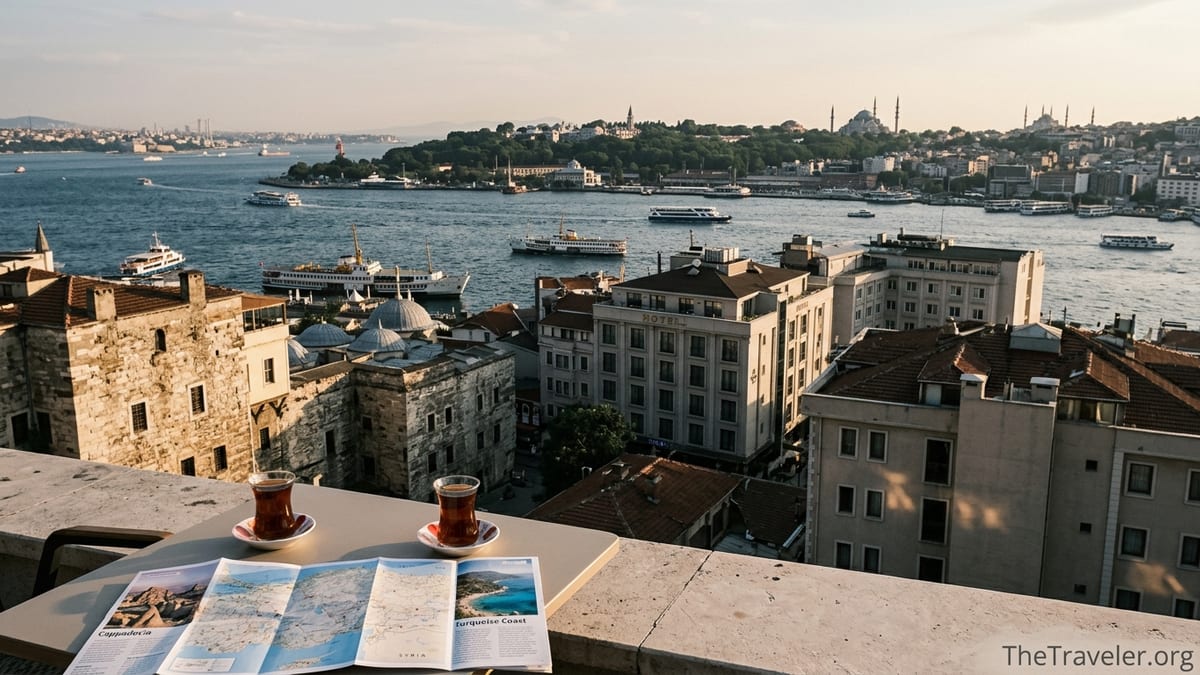
How Much Does a Trip to Turkey Really Cost Today
Currency swings and inflation have reshaped travel costs in Turkey over the past few years. For many visitors paying in dollars or euros, prices can still feel moderate compared with Western Europe, but Turkey is no longer a deep-discount destination. Istanbul, Cappadocia and resort towns along the Mediterranean and Aegean coasts now often price hotels and activities closer to southern Europe levels, especially in peak summer.
As a rough guide for 2025–2026, a budget traveler can still get by on about 60 to 90 US dollars per person per day if staying in simple guesthouses, using public transport and eating at local lokantas. A comfortable mid-range trip that includes boutique hotels, domestic flights between regions and some guided tours will usually sit around 120 to 220 dollars per person per day. Luxury travelers staying in top international hotels or high-end cave suites and booking private tours should budget from 300 dollars a day and up, with 500 dollars or more per day common in peak periods.
These figures assume you share a room, since most hotel prices are per room rather than per person. They also exclude international flights to Turkey. The big variables that move your budget are hotel category, whether you rely on buses or domestic flights, and how many paid activities you add, such as hot air ballooning in Cappadocia or private boat trips on the Turquoise Coast.
Accommodation Costs: Hotels, Resorts and Cave Suites
Accommodation is usually the largest line item in a Turkey travel budget. In Istanbul, recent live rates show basic but decent hotels and guesthouses starting from around 40 to 60 dollars per night in less central districts, with simple double rooms in touristy areas such as Sultanahmet often running 70 to 100 dollars in shoulder seasons and more in summer. Mid-range hotels and well-reviewed boutique properties in central neighborhoods like Karakoy, Cihangir or near Taksim commonly price around 110 to 180 dollars per night in 2025, with popular four-star options in high season often above 200 dollars.
Luxury hotels in Istanbul, including Bosphorus-front palaces and big international chains, regularly start around 280 to 350 dollars per night for standard rooms in spring and autumn. In peak July and August, entry-level rooms at top properties can easily climb into the 400 to 600 dollar range, particularly if you want a Bosphorus view or club lounge access. At the very top end, suites in famous palace hotels with butler service and private terraces can run into four figures per night.
Cappadocia has its own pricing logic because of the cave-hotel experience. Basic cave rooms in smaller towns like Ortahisar or Urgup can start from 60 to 90 dollars per night outside of peak periods. Nicely finished cave boutique hotels in Goreme, Uchisar or Urgup tend to fall into the 120 to 220 dollar range for atmospheric rooms with breakfast included. Highly rated luxury cave suites with terraces facing the balloon-filled sky usually start around 250 to 350 dollars per night and can climb above 500 dollars during busy times such as spring holidays and autumn weekends.
On the Mediterranean and Aegean coasts, simple pensions and small family-run hotels in places like Kas, Fethiye or Ayvalik often start near 60 to 100 dollars per night in summer. All-inclusive beach resorts around Antalya, Belek or Bodrum cover a wide price band. You can occasionally find off-peak packages from roughly 120 to 180 dollars per room per night including meals and drinks, but well-known five-star resort brands in July and August more commonly start around 300 to 400 dollars per night, with ultra-all-inclusive properties costing substantially more.
Transport: International Flights, Domestic Flights, Buses and Car Rental
International flights into Turkey vary widely by origin, time of year and how far ahead you book. From major European hubs to Istanbul, round-trip economy fares often range between 200 and 450 dollars outside the busiest weeks, while peak summer or last-minute tickets can be significantly higher. From North America, typical economy returns to Istanbul hover in the 800 to 1,300 dollar range, with occasional sales dipping lower if you book early for shoulder seasons like May or October.
Once in Turkey, you will likely combine domestic flights, intercity buses and city transport. Domestic flights between major hubs such as Istanbul, Izmir, Antalya, Dalaman and Cappadocia are frequent and often good value when booked ahead. Many tour operators currently quote indicative one-way domestic fares of about 80 euros, though in practice Turkish low-cost carriers and promotions on national airlines can bring one-way tickets down to roughly 40 to 70 dollars on competitive routes if you buy a few months in advance. Last-minute purchases around holidays or peak summer can push some legs above 120 dollars.
Long-distance buses used to be the default for budget travelers, but ticket prices have risen with fuel and demand. Routes such as Istanbul to Antalya or Istanbul to Cappadocia can cost similar to or even more than discounted flights close to holiday periods, with some high-season examples around 1,000 to 1,500 lira one way. On average, for planning purposes, assume an intercity bus ticket will cost the equivalent of 20 to 50 dollars depending on distance, comfort level and season. Overnight buses still save on a night of accommodation, which can help a tight budget.
Rental cars are most useful along the coasts and in regions like Cappadocia where you want to explore smaller villages or beaches. Current base rates from major rental firms frequently hover around 30 to 50 dollars per day for a compact car outside of high season, rising to 60 dollars or more in July and August, before adding insurance, tolls and fuel. Fuel prices in Turkey are not low, so a week of driving the Turquoise Coast with side trips can add a few hundred dollars in fuel alone. Inside cities such as Istanbul, it is usually better to rely on the metro, trams, ferries, taxis and ride-hailing apps rather than rent a car.
Food, Drink and Daily Spending Money
Daily spending on food and drink in Turkey can stretch or shrink to match almost any budget. On the lower end, a traveler eating mainly at local lokantas, bakeries and street vendors can keep food costs around 12 to 25 dollars per day. A classic Turkish breakfast plate in a neighborhood cafe might be the equivalent of 4 to 7 dollars, a filling kebab or pide lunch around 5 to 9 dollars, and a simple dinner at a local restaurant with soft drinks about 8 to 15 dollars. Grabbing simit, gozleme or lahmacun from street stands can lower costs even further.
Mid-range travelers mixing neighborhood restaurants with a few meals in trendier areas should expect roughly 25 to 50 dollars per person for food and non-alcoholic drinks per day. In Istanbul’s more fashionable districts or in tourist-heavy zones of Cappadocia and Antalya, a sit-down main course at a mid-level restaurant often lands around 10 to 20 dollars, with starters and desserts adding extra. International cuisine, specialty coffee shops and rooftop dining all command a premium compared with traditional eateries a few blocks away from the main sights.
Alcohol significantly increases daily spend. A beer in a casual bar in Istanbul often costs the equivalent of 5 to 8 dollars, while cocktails at popular rooftop venues may be closer to 12 to 18 dollars. A bottle of mid-range wine in a restaurant can easily reach 25 to 45 dollars. Travelers on a tight budget often keep alcohol to a minimum or buy occasional drinks from supermarkets rather than bars. By contrast, those planning nights out in Beyoglu or along the Bosphorus will want to add 20 to 60 dollars per evening to their daily budget for drinks alone.
Other daily costs include public transport and small purchases. A one-way ride on Istanbul’s metro or tram network costs the rough equivalent of 0.50 to 1.50 dollars with an Istanbulkart. Short taxi rides within city centers often run 3 to 8 dollars, assuming you avoid heavy traffic or long cross-city journeys. Museum entries in Istanbul and Ankara typically clock in around 5 to 15 dollars each, while major archeological sites such as Ephesus sit in a similar band. Hammam visits range from straightforward local baths for under 20 dollars to luxury spa experiences which can reach 80 to 150 dollars per person.
Tours, Activities and Classic Experiences
Tours and experiences can double the daily cost of a Turkey trip if you schedule one or two premium activities per day. The star example is hot air ballooning in Cappadocia. For 2025 bookings, many operators quote prices in the 250 to 350 dollar per person range for standard sunrise balloon flights, with small-basket or private options running still higher. If ballooning is a must-do for you, it can easily become the single biggest activity expense of your trip.
Guided day tours in Istanbul covering highlights such as the Blue Mosque, Hagia Sophia, Topkapi Palace and the Grand Bazaar typically fall between 50 and 120 dollars per person in shared small groups, including entrance fees. Private full-day guiding can start from around 150 to 250 dollars per day for a licensed guide, plus entrance tickets. Short Bosphorus cruises booked on the spot at the piers remain relatively affordable, often 10 to 25 dollars for basic shared sailings, while evening cruises with dinner and live music can land in the 40 to 90 dollar range per person.
Along the Turquoise Coast, popular excursions include full-day boat trips from Fethiye, Kas or Bodrum, often including lunch and swimming stops. Prices for shared gulet or day-boat cruises tend to fall around 35 to 70 dollars per person depending on inclusions and the size of the group. Sea kayaking trips, paragliding over Oludeniz and scuba diving all come with similar mid-range price tags, often between 60 and 130 dollars per person for a half or full day.
Multi-day escorted tours that link Istanbul, Cappadocia, Pamukkale and the coast often quote package prices per person in euros that include hotels, some meals, entrance fees and several domestic flights. When you divide these by the number of days, many land in the 200 to 350 dollar per person per day range depending on hotel standard and group size. Travelers who prefer independence can usually beat those per-day rates by booking their own hotels and intercity transport, though they may miss the convenience of bundled transfers and a fixed schedule.
Sample Daily Budgets: Budget, Mid-Range and Luxury
To make the numbers more concrete, it helps to see how a day in Turkey might look at different budget levels. For a backpacker or low-budget traveler spending time in Istanbul and Cappadocia, 60 to 90 dollars per person per day is achievable with careful planning. That might look like 30 to 45 dollars per person for a shared twin room in a simple guesthouse, 15 to 25 dollars for local meals and snacks, 5 to 10 dollars for metro, trams and the occasional bus, and another 10 to 15 dollars for one attraction entry or a basic group tour.
A mid-range traveler aiming for comfortable boutique hotels and some tours should expect around 140 to 220 dollars per person per day when averaging city stays, coast time and domestic flights across a 10 to 14 day trip. A typical day might include 60 to 120 dollars per person for a well-reviewed central hotel or cave suite based on two sharing, 30 to 45 dollars for food including one nicer dinner, 10 to 20 dollars for taxis and public transport, and 20 to 60 dollars for museums, boat trips or occasional guided tours. When you spread the cost of a few domestic flights and an expensive activity like ballooning across the whole trip, that adds another 10 to 30 dollars per day to the average.
Luxury travelers staying in high-end hotels and palace properties with regular private touring should plan on at least 300 to 500 dollars per person per day, and more in peak periods if booking premium suites. Someone in this category might allocate 200 to 350 dollars per person per day for accommodation, 50 to 100 dollars for upscale dining and drinks, 30 to 50 dollars for door-to-door transfers and taxis, and 80 to 150 dollars for private guides or premium experiences such as spa treatments and small-boat charters. This level of spending can easily double again if you favor suite categories, fine dining and private yachts.
It is also useful to consider the total cost of a representative itinerary. A cost-conscious couple planning 10 nights split between Istanbul, Cappadocia and the Turquoise Coast might spend around 1,200 to 1,800 dollars on accommodation, 700 to 1,000 dollars on food and local expenses, 300 to 600 dollars on domestic flights and a few buses, and 300 to 800 dollars on activities. That puts a typical total around 2,500 to 4,000 dollars for two people, excluding international flights. A similar trip in more upscale hotels with ballooning, private guiding and resort stays can push that figure well beyond 6,000 dollars.
Money-Saving Tips Without Missing the Highlights
There are several ways to keep Turkey trip costs under control without sacrificing the experiences you came for. The most powerful lever is timing. Hotel prices in Istanbul and resort towns drop noticeably outside July and August and major holidays. Visiting in April, early June, late September or October often yields more reasonable hotel rates while still offering pleasant weather. In Cappadocia, spring and autumn are busy but you can still find better deals midweek than on weekends.
Where you stay within each city also matters. In Istanbul, moving just a few tram stops away from the absolute center can cut hotel rates by a third. Staying in Kadikoy on the Asian side or in up-and-coming neighborhoods beyond the Old City can save significant money, with excellent ferry and metro connections. On the coast, countryside pensions just outside buzzy towns such as Kas or Alacati can be far cheaper than seafront properties while still allowing easy access to beaches and nightlife.
Booking domestic flights early and being flexible about airports can also pay off. For example, flying into Izmir and using trains or buses to reach nearby coastal towns can sometimes beat flying directly into a smaller holiday airport. Similarly, check both Istanbul Airport and Sabiha Gokcen for domestic legs because low-cost carriers often use the latter. If buses are substantially cheaper on your dates, consider using overnight services to combine transport and accommodation.
Finally, choose your splurges. If hot air ballooning in Cappadocia is a priority, plan other days around it with cheaper activities such as self-guided hikes in the valleys or public ferry rides on the Bosphorus instead of costly boat tours. Opt for hotels that include substantial breakfasts so you can replace one meal a day, and favor excellent mid-priced neighborhood restaurants over tourist-trap rooftop venues for most dinners. By deciding where you are willing to spend more and where you can compromise, you can keep your overall budget in line while still enjoying Turkey’s standout experiences.
The Takeaway
Turkey in 2025 and 2026 offers a wide spectrum of possibilities, from lean backpacking trips focused on street food and guesthouses to indulgent itineraries filled with palace hotels, private yachts and balloon flights. What has changed in recent years is that headline destinations such as Istanbul, Cappadocia and major resort towns increasingly price themselves like other popular Mediterranean spots, especially in high season. Travelers who arrive expecting ultra-low prices at every turn risk sticker shock, particularly for accommodation and premium activities.
With a clear sense of current hotel rates, realistic food and transport costs and the going prices for classic experiences, you can design a trip that matches both your travel style and your wallet. A careful budget traveler can still see a lot of the country on 60 to 90 dollars per person per day, while mid-range visitors and those seeking a bit of comfort should plan for at least 140 to 220 dollars a day once domestic flights and activities are averaged in. Luxury travelers have almost unlimited scope to spend more on unique stays and private services.
The key to good value is flexibility in timing, location and expectations. Traveling outside peak weeks, staying slightly off the most touristy strips and mixing free or low-cost experiences with a handful of well-chosen splurges allows your money to go further. If you calibrate your budget before you book, Turkey can still deliver rich culture, landscapes and food at prices that remain competitive with many other major destinations.
FAQ
Q1: How much should I budget per day for a trip to Turkey?
For most travelers in 2025–2026, a realistic range is about 60 to 90 US dollars per person per day for a tight budget, 140 to 220 dollars for comfortable mid-range travel, and 300 dollars or more for luxury, excluding international flights.
Q2: Is Istanbul much more expensive than the rest of Turkey?
Yes, Istanbul is usually the most expensive city, especially for accommodation and dining in tourist areas. Expect hotel and restaurant prices to be higher than in central Anatolia or smaller coastal towns, though local eateries and public transport within the city can still be very affordable.
Q3: Are domestic flights in Turkey cheaper than buses?
Sometimes domestic flights are cheaper or similar in price to long-distance buses, particularly if booked several months ahead or during sales. Around holidays or peak summer, both bus and flight prices increase, so it is wise to compare both options for your specific routes and dates.
Q4: How much does hot air ballooning in Cappadocia cost?
Standard sunrise balloon flights in Cappadocia typically run between about 250 and 350 US dollars per person in 2025. Premium small-basket or private flights can cost significantly more, and prices rise on popular weekends and holidays.
Q5: What does a mid-range hotel cost in Istanbul?
In central Istanbul districts, a mid-range or boutique hotel room for two people usually costs around 110 to 180 US dollars per night in shoulder season, with popular properties and peak summer dates often starting closer to 180 to 220 dollars.
Q6: How much should I plan to spend on food each day?
A budget traveler eating mainly at local eateries can keep food costs around 12 to 25 US dollars per day. Someone mixing neighborhood restaurants with a few trendier venues will more likely spend 25 to 50 dollars per day, while frequent fine dining and cocktails can push food and drink budgets well above that.
Q7: Is Turkey still cheap compared with Western Europe?
Turkey is generally cheaper than major Western European capitals for local food, public transport and some attractions, but top hotels and premium experiences in Istanbul, Cappadocia and resort areas can approach or match southern Europe prices. It is better to think of Turkey now as moderate value rather than a rock-bottom bargain.
Q8: How far in advance should I book hotels and domestic flights?
For peak summer or popular holiday periods, aim to book hotels and domestic flights at least two to three months in advance, and longer if you have your heart set on specific cave hotels or seaside resorts. In shoulder seasons you often find more flexibility, but booking a few weeks ahead still helps secure better prices.
Q9: Can I visit Turkey on a very tight budget?
Yes, it is possible if you are flexible. Choose hostels or simple guesthouses, use buses and metro instead of taxis, eat where locals eat, and focus on free or low-cost activities such as walking tours, hikes and public ferry rides. With these choices, some travelers manage on under 60 dollars per person per day, though that requires careful spending.
Q10: Do I need to carry cash, or is card widely accepted?
Cards are widely accepted in hotels, many restaurants, larger shops and transport ticket machines, especially in big cities and resorts. However, keeping some Turkish lira in cash is useful for small cafes, markets, local buses, tips and rural areas where card machines may be unreliable.