


Turkey stretches from the Black Sea to the Mediterranean, and the best time to visit depends heavily on whether you are chasing Bosphorus sunsets in Istanbul, balloon flights over Cappadocia or long swimming days on the coast. This month-by-month guide compares the major regions for weather, sea temperatures, balloon reliability, crowd levels and hotel prices, with concrete examples to help you match your dates and budget to the trip you actually want.
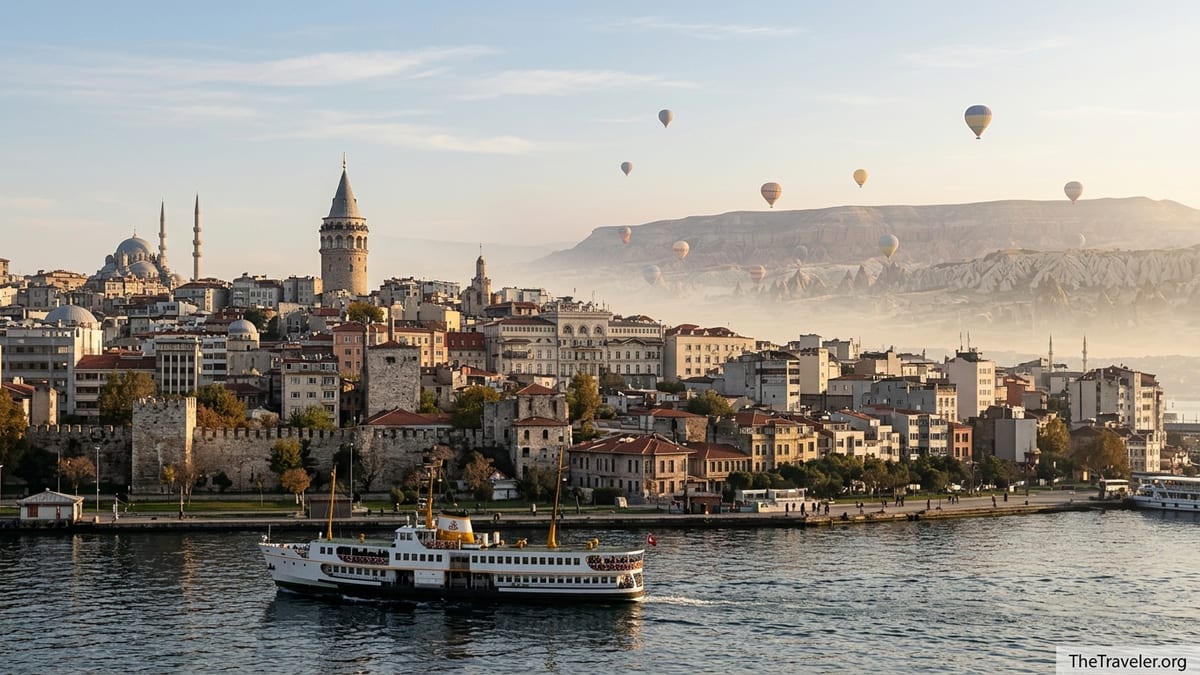
How Turkey’s Seasons Really Work
Turkey has several distinct climate zones. Istanbul sits between the Black Sea and the Marmara, with cool, sometimes damp winters and warm but not desert-hot summers. Cappadocia, inland on the Anatolian plateau, has a continental climate with hot, dry summers and cold, often snowy winters. The Mediterranean cities such as Antalya and Alanya are hot and humid in summer with very warm seas, while Aegean resorts like Bodrum, Fethiye and Kusadasi are slightly breezier and a touch cooler. The Black Sea coast, from Amasra through Rize and Trabzon, is the greenest and wettest, with mild temperatures but frequent rain.
These differences matter in practice. A July afternoon in Istanbul might be 30°C and busy but manageable for sightseeing, while the same July day in inland Cappadocia can hit well above 30°C on exposed hiking trails. On the Antalya coast, it is hot enough that locals schedule life around the sun, retreating inside at midday and heading to Konyaalti or Lara beaches after 4 pm. By contrast, the Black Sea may sit at 26°C with lush hillsides but patchy sunshine. Understanding this spread helps you decide whether to plan one long route or split Turkey into separate spring, summer or autumn trips.
Seasonality also strongly affects prices. Hotel market reports for Istanbul and Antalya show occupancy and room rates climbing from May, peaking in July and August and then easing from mid-October as demand drops. In practice this can mean a mid-range double in Sultanahmet that costs the equivalent of around 180–220 US dollars per night in high summer dropping to roughly 120–150 dollars in late October or November, with even lower deals in January. Coastal resorts see an even sharper gap between August school-holiday peaks and late-season October packages.
For most travelers, the sweet spots are the shoulder seasons: April and May, and September and October. These months usually combine comfortable daytime temperatures for walking, enough warmth for swimming on the south and west coasts, reasonably reliable balloon conditions in Cappadocia, and noticeably better hotel and flight prices compared with July and August.
January to March: Low Prices, Winter Atmosphere
From January through March, Istanbul and much of inland Turkey are in winter mode. Daytime highs in Istanbul often sit in the single digits or low teens Celsius, with grey skies and regular rain, and the odd snowfall still possible in January and February. For travelers interested in museums and food rather than sunshine, this period has a distinct charm. You can step into the Hagia Sophia or the Istanbul Archaeology Museums without long lines, find tables in popular meyhanes in Karakoy or Kadikoy without reservations on weeknights, and sip tea in a Beyoglu café while watching the rain outside. Hotel occupancy is at its lowest, so it is common to see central four-star hotels around Taksim or Sirkeci pricing standard rooms at roughly half of their August rates.
Cappadocia in winter is beautiful but demanding. Snow often dusts the rock formations around Goreme and Uchisar, and daytime highs can hover around freezing. Balloon flights do operate, and seeing dozens of balloons rise over snow-covered valleys is unforgettable, but cancellation rates are much higher than in other seasons because wind and fog are more frequent. Many operators advise staying at least three nights if you come between December and February, so you have multiple mornings to rebook if your flight is cancelled. On the other hand, you can often find cave hotels in Goreme or Urgup pricing rooms with fireplaces and breakfast at winter discounts that can undercut October prices by a third.
The Mediterranean and Aegean coasts are technically open year-round, but they are quiet in these months. In Antalya, daytime temperatures commonly reach the mid-teens Celsius, and locals still swim on sunny days because the sea retains warmth. However, resort-style services are limited. Many large all-inclusive resorts in Belek reduce their programming, and smaller seasonal hotels in places like Kas or Oludeniz close entirely until April. If you want low prices and are content with long seaside walks, off-season Antalya city hotels can be very good value, but this is not prime beach holiday season.
Along the Black Sea, January to March brings mild but very wet weather. Towns like Rize and Trabzon see frequent rain and cloud cover, and hiking in the highlands is usually off the cards due to snow. This period is better suited to urban and historical itineraries than to coastal or mountain activities.
April and May: Classic Shoulder Season for Istanbul and Cappadocia
April and May are widely regarded as the most balanced time to visit Istanbul. Temperatures generally rise into the mid-teens to low twenties Celsius, tulips bloom in parks like Emirgan and Gulhane, and outdoor café culture restarts. Tourist numbers increase compared with winter, but they are still manageable enough that you can join early-morning tours of the Blue Mosque and Topkapi Palace and experience moderate queues rather than crush-level crowds. Many independent mid-range hotels quote nightly rates that are 25 to 35 percent lower in April than in July, yet the city feels fully alive with festivals and events.
Cappadocia moves out of winter by late March, and April to early June is one of its prime windows. Days are usually sunny with daytime highs between 15 and 25°C, ideal for hiking through the Rose Valley or to the rock-cut churches in the Ihlara Valley. Balloon operators report significantly better flying reliability in spring than in winter, with far fewer days lost to weather. Travelers commonly plan three nights in Goreme at this time of year, booking their balloon for the first morning and keeping the next two as backup. Room rates rise compared with February but are still generally below those of August, and you can often secure stylish cave suites with breakfast and terrace views for prices that would get you a basic room in peak months.
On the Mediterranean and Aegean coasts, April is still early in the season. In Antalya and Alanya, many resort hotels reopen around late March or April, running early-season promotions aimed at European package tourists. Daytime temperatures can reach the low twenties, but the sea is cool, and only hardy swimmers tend to go in for long. By May, conditions improve noticeably. In Bodrum, Fethiye, Marmaris and Cesme, beach clubs start to open fully, yacht charters begin in earnest and sea temperatures creep upwards. An early May gulet cruise out of Fethiye, for instance, can offer quiet anchorages at Butterfly Valley and Gemiler Island, with prices undercutting July sailings by a meaningful margin.
The Black Sea coast also becomes more attractive in late spring, with hills turning intense green. Towns such as Amasra or Ordu remain relatively under the radar for foreign visitors at this time, which keeps prices accessible. However, rain showers are still frequent, so this is better for travelers who value fresh air and scenery over guaranteed sunshine.
June to August: Peak Beaches, Peak Crowds and Prices
June through August is peak season across most of Turkey, driven by school holidays and near-guaranteed sun on the coasts. In Istanbul, June is warm and very pleasant, with long evenings on Bosphorus terraces in neighborhoods like Ortakoy or Arnavutkoy. July and August can feel hot and humid, particularly in the Old City where stone courtyards hold heat, but sea breezes on ferry rides to the Princes’ Islands or along the Bosphorus offer relief. Popular boutique hotels in Galata and Karakoy often run at or near full occupancy, and a double room that cost around 120 to 150 dollars in late April may climb to 180 to 250 dollars or more, particularly around major events or festivals.
For Cappadocia, summer brings the most reliable balloon flying window of the year. July and August mornings usually see clear skies and light winds, and operators report some of their lowest cancellation rates in these months. That reliability and the global popularity of Cappadocia mean the region can feel very busy. You may see over a hundred balloons in the air at sunrise above the Goreme valleys, and well-known Instagram viewpoints fill long before dawn. Daytime temperatures regularly exceed 30°C, which can make mid-day hiking on exposed ridges uncomfortable, so many visitors plan early-morning or late-afternoon walks and retreat to cave terraces or hotel pools during the hottest hours. Balloon prices in high summer tend to sit at the top of the annual range, reflecting demand, with reputable companies often charging a clear premium over spring or late autumn.
The Mediterranean and Aegean coasts are in full swing. Between late June and early September, sea temperatures along the Antalya coast typically hover in the mid to high twenties Celsius, which feels like warm bathwater. Resorts around Antalya, Side, Belek and Kemer host large numbers of all-inclusive guests from Europe and the Middle East, and major chains run kids’ clubs, water parks and nightly entertainment. In Bodrum, the focus shifts more to beach clubs in Gumbet and Yalikavak and nightlife in the marina area. Package prices for a week at a large Antalya resort in August can be several hundred dollars higher per person compared with stays in late September, and independent travelers who delay booking often find that the most appealing smaller pensions in places like Kas or Datca are fully booked.
On the Black Sea, summer finally brings something approaching a beach season, but the region remains distinctly less crowded than the Mediterranean. Locals from Ankara and other inland cities flock to towns like Sinop and Giresun, and families swim in the Black Sea when the weather cooperates. However, clouds and passing showers are still common even in July, and the water never gets as warm as the south coast. If you are prioritizing sun and sea, the Mediterranean and Aegean are safer bets; if you are interested in cooler air, forest walks and tea-terrace views, a Black Sea loop fits well in July and August.
September and October: Ideal Balance for Most Itineraries
September and October bring one of the best all-round windows to visit Turkey if you want to combine cities, Cappadocia and the coast. In Istanbul, September days often sit around the low to mid-twenties Celsius, with clear skies and softer golden light that flatters the skyline. Crowds thin slightly compared with August, especially after the first half of the month, but the city remains lively. Hotel data shows occupancy and nightly rates starting to ease from late September and more noticeably from mid-October, so travelers flexible on dates can find better deals by avoiding early September weekends and planning for after mid-month instead.
Cappadocia is at its autumn best from mid-September through October. Temperatures cool to comfortable levels for all-day hiking, with crisp mornings and afternoons still warm enough for terrace breakfasts and sunset viewpoints. Balloon flight reliability remains strong, with significantly lower cancellation rates than in winter, and the landscape takes on softer colors that many photographers prefer to the stark light of August. Accommodation demand remains high, so it is wise to book cave hotels and balloon slots well ahead for weekends in October, but prices are usually more moderate than the absolute summer peak.
On the Mediterranean and Aegean coasts, September may be the single best month of the year for classic beach holidays. Sea temperatures that built up through summer remain very warm, often around the mid-twenties Celsius in places like Antalya and Bodrum, yet the most intense heat has passed and evenings are more comfortable. Families with school-age children have largely returned home, which reduces crowd pressure. In practice, that can mean finding sun loungers available mid-morning on Konyaalti Beach in Antalya or at a mid-range beach club in Bitez, something almost impossible in early August. Package prices typically soften by 20 to 30 percent versus the August peak, and independent travelers will notice more last-minute hotel availability.
By October, the picture shifts gradually. Early October still feels summery on the Mediterranean, and many Northern European visitors time trips precisely for this period to catch warm water and lower prices. By late October, evenings turn cooler, and some smaller Aegean resorts start to close for the season, particularly in quieter villages. Istanbul can experience more variable weather in October, from clear blue skies to the first proper autumn rains, but museums and indoor attractions offset any wet spells. For a multi-region trip combining Istanbul, Cappadocia and the southwest coast, late September through the first half of October is often considered one of the most balanced choices.
November and December: Quiet Cities, Moody Landscapes and Bargains
November marks the start of the low season for much of Turkey, though early in the month you can still see autumn color and relatively mild temperatures. In Istanbul, daytime highs often sit in the low to mid-teens Celsius, with an increasing chance of rain and grey skies. Tourist numbers drop quickly after the last autumn holidays, and hotel occupancy falls. Central business hotels adjust prices downward to attract weekend visitors, and it is possible to secure quality rooms a short walk from sites like the Spice Bazaar or Galata Tower at prices that would be hard to imagine in May. This is a good time to prioritize indoor experiences: long hammam sessions, food tours focused on baklava in Karakoy or meze in Beyoglu, and extended museum visits.
Cappadocia in November can still be rewarding for travelers prepared for colder mornings. Balloon flights continue, and some mornings offer crystal-clear visibility with less crowding in the sky than in October. However, cancellation risk starts to rise as winter approaches, and daylight hours shrink. Hiking is still possible but requires warm layers, and some outdoor cafés close earlier in the evening. Hotel rates come off their October highs, and you may find family-run pensions in Goreme offering shoulder-season packages that include breakfasts and airport transfers at competitive rates.
On the Mediterranean and Aegean coasts, November and December are transitional. In Antalya city, some locals continue to swim on warmer days in November because the sea retains heat, but the atmosphere is no longer summer-like. Many resort complexes in Belek and Kemer either close or switch to a quieter off-season operation focused more on conference guests and golfers than beachgoers. Smaller Aegean towns such as Kas, Kalkan and Selcuk empty out, with many seasonal businesses shuttered. Those who come now are often long-stay visitors or digital nomads attracted by low apartment rents and mild winters rather than short-term holidaymakers.
The Black Sea becomes damp and quiet, with heavy rain and cloud common. Inland Anatolia tips into full winter, and road-tripping between interior towns demands more planning around conditions. For most first-time visitors, November and December are more attractive for Istanbul-focused trips with perhaps a side journey to Cappadocia, rather than ambitious coast-hopping itineraries.
Best Months by Region and Travel Priority
When comparing regions side by side, patterns emerge. For Istanbul, the consensus among many recent travel guides and pricing analyses points to April through early June and September through October as the most rewarding months. You gain comfortable sightseeing weather around 18 to 25°C, a busy but not overwhelming atmosphere in key neighborhoods, and room rates that often sit meaningfully below the July and August high. Travelers planning mainly indoor activities and keen on value can also look to January, February and early March.
For Cappadocia, the priorities are balloon reliability and hiking comfort. The most balanced windows are generally April to early June and mid-September to late October. These periods offer a strong chance that balloons will fly on at least one of several mornings while avoiding the most intense summer heat. Summer months from late June to August provide the highest probability of flights taking off, but trails can be very hot by late morning, and sunrise viewpoints are most crowded. Winter provides atmospheric snowy scenes and the lowest room prices of the year but brings the highest flight cancellation risk, so it suits flexible travelers who can stay longer or accept the chance of missing a balloon ride.
For Mediterranean beaches such as Antalya, Alanya, Side and Kemer, swimmers generally prefer late May through October, when sea temperatures feel distinctly warm. June to early September ensures hot weather and a full lineup of resort services, at the cost of peak season pricing and crowding. September often delivers the best combination of warm sea, slightly less oppressive heat and softened prices. On the Aegean, including Bodrum, Marmaris, Fethiye and Cesme, the sea warms slightly slower and cools a bit earlier than the Mediterranean, so the core beach window is usually June through September, with May and October as shoulder months that can still be pleasant in good weather years.
The Black Sea coast is best framed differently. Its high, year-round rainfall means it is not ideal for a classic sun-and-sand trip, but late May through September generally offers the highest chance of fine days to enjoy the lush scenery around Rize, Trabzon and the Kackar Mountains. Inland Turkey, including Ankara, Konya and the wider Anatolian plateau, is most comfortable from April to June and September to October; midsummer can be very hot, and winter brings snow and icy roads.
The Takeaway
Choosing the best time to visit Turkey is less about finding a single perfect month and more about matching regions to your priorities. If your dream is a classic Istanbul and Cappadocia trip with some coastal time, late April to early June and late September to mid-October stand out. These windows offer long enough days, comfortable walking temperatures, a strong chance of balloon flights, warm seas on the south and west coasts, and hotel rates that, while not rock-bottom, are clearly below the midsummer peak.
Travelers who care most about swimming and resort life can push closer to summer, accepting higher prices and crowds in return for very warm seas and nearly guaranteed sunshine, especially around Antalya and Bodrum. Those who prioritize budgets and atmospheres over weather perfection will find deep value in winter city trips to Istanbul and early spring or late autumn journeys to Cappadocia, understanding that rain, cold or balloon cancellations are part of the trade-off.
In practice, many repeat visitors end up planning Turkey in layers: a shoulder-season cultural trip for Istanbul, Cappadocia and inland sites like Konya or Pamukkale, and a separate summer or early autumn escape focused solely on the Mediterranean and Aegean coasts. However you structure it, using a month-by-month view and comparing regions side by side will help you avoid mismatched expectations and make the most of Turkey’s remarkably varied climate and landscapes.
FAQ
Q1. What is the single best month to visit Turkey if I want to see Istanbul and Cappadocia plus have some beach time?
For a combined itinerary, late September is often the most balanced choice. Istanbul enjoys comfortable temperatures and softer light, Cappadocia has reliable balloon flying conditions and pleasant hiking weather, and the Mediterranean and Aegean seas are still very warm from summer but with fewer crowds and slightly lower prices.
Q2. When are hotel prices in Turkey generally lowest?
Hotel prices tend to be lowest from November through March, outside New Year and any major event weekends. In Istanbul, it is common to find central mid-range hotels pricing rooms at roughly half of their August peak during January or February. Coastal resorts often close entirely in deep winter, but where they stay open, they also run significant discounts compared with summer.
Q3. Which months give me the best chance of a hot air balloon flight in Cappadocia?
Balloon companies report the most reliable flying conditions from late spring through early autumn, roughly May to October, with particularly strong records in June, July and August. Spring and autumn months like May, June, September and early October strike a good balance between flight reliability and comfortable daytime temperatures. Winter flights are possible but are cancelled much more often because of wind, fog or snow.
Q4. Is the sea warm enough for swimming in Turkey in May?
In May, the Mediterranean around Antalya and Alanya usually becomes comfortable for many swimmers, especially from mid-month onwards, though it can still feel cool at the beginning of the month. On the Aegean, including Bodrum and Fethiye, the sea generally lags slightly behind, so May can feel fresh and is better suited to travelers who do not mind cooler water. For reliably warm seas, June to September is safer across both coasts.
Q5. Is July or August too hot for sightseeing in Istanbul and Cappadocia?
July and August are hot in both regions, but whether it feels “too hot” is subjective. Istanbul can be humid, especially in older stone neighborhoods, and Cappadocia often sees daytime temperatures climb well above 30°C on exposed trails. Many visitors manage by sightseeing early and late in the day, taking midday breaks and choosing accommodation with air conditioning or pools. If you are sensitive to heat, the shoulder seasons of April to early June and September to October are more comfortable.
Q6. When is the Black Sea region of Turkey at its best for travel?
The Black Sea coast is green and rainy year-round, but late May through September generally offers the best balance of milder temperatures and more frequent dry spells. This is a good time for visiting coastal towns like Amasra, Trabzon and Rize, and for trips into the highlands such as the Kackar Mountains. Even in summer you should expect some rain, so pack waterproof layers and plan flexible days.
Q7. Can I visit Cappadocia in winter, and will balloons still fly?
You can absolutely visit Cappadocia in winter, and many travelers love the sight of snow on the rock formations. Balloon flights do still operate, and on clear mornings the experience can be spectacular. However, cancellations are significantly more common in winter because of stronger winds, fog and storms, so it is wise to stay several nights and accept that your flight may be rescheduled or not run at all.
Q8. What is the best time to visit Turkey if I am mainly interested in lower prices?
If lower prices are your top priority, look to late autumn, winter and very early spring, roughly from November through March. Istanbul offers strong hotel value then, and Cappadocia’s cave hotels often run off-season promotions. You will trade off against cooler or cold weather, shorter days and, in Cappadocia, a higher risk of balloon cancellations, but your daily costs for accommodation and often flights will be notably lower.
Q9. Are there months I should avoid because of crowds?
July and August are the most crowded months in Istanbul, Cappadocia and the major coastal resorts, driven by international tourism and school holidays. Expect busier historic sites, more people at sunrise viewpoints and fuller beaches. If you prefer a quieter experience without sacrificing weather, consider May, June, September or early October instead, and avoid local and regional public holiday weeks when domestic travel surges.
Q10. How far in advance should I book if I plan to travel in the shoulder seasons?
For April to June and September to October, it is wise to book key elements several months ahead, especially for popular areas like Sultanahmet in Istanbul, cave hotels in Goreme or Urgup, and sea-view rooms in smaller Aegean towns. Balloon flights in Cappadocia in these months can sell out on prime mornings, so securing a spot once your dates are fixed is recommended. Flexible travelers can sometimes still find last-minute deals, but availability and choice shrink as you get closer to arrival.