


The eastern Mediterranean coast of Turkey is one of the most rewarding regions in the country for travelers who plan with their stomachs. Centered on the neighboring provinces of Adana, Mersin and Hatay, it combines legendary kebabs and mezze, coastal seafood, bustling bazaars and a deep, multicultural food heritage influenced by Anatolian, Arab and Levantine traditions. With good transport links and compact city centers, it is also surprisingly easy to turn this region into a 3 to 7 day culinary itinerary.
Why Adana, Mersin and Hatay Belong on Your Food Map
Adana, Mersin and Hatay sit along the northeastern corner of the Mediterranean, close to each other yet with distinctly different food identities. Adana is Turkey’s kebab capital, famous nationally for its spicy minced meat skewers grilled over charcoal and served with flatbread, grilled vegetables and fresh herbs. Even in Istanbul, menus use the name “Adana kebab” as shorthand for the country’s most iconic grilled meat. In the city itself, kebab is not a special occasion dish but an everyday ritual, from no-frills counter joints to old-school establishments that have been firing mangals for generations.
Mersin, just west along the coast, is a major port city whose cuisine reflects a mix of Turkmen, Arab and Mediterranean influences. It is known across Turkey as the birthplace of tantuni, a street-food wrap made with finely chopped meat stir-fried in cottonseed oil on a wide metal griddle and stuffed into thin lavaş bread with onions, tomatoes, parsley and sumac. Locals pair it with cold ayran and can argue for hours over which small shop does it best. Beyond tantuni, the city is proud of its desserts like cezerye (carrot and nut confection) and kerebiç (semolina cookies filled with pistachio and served with a whipped plant-based foam).
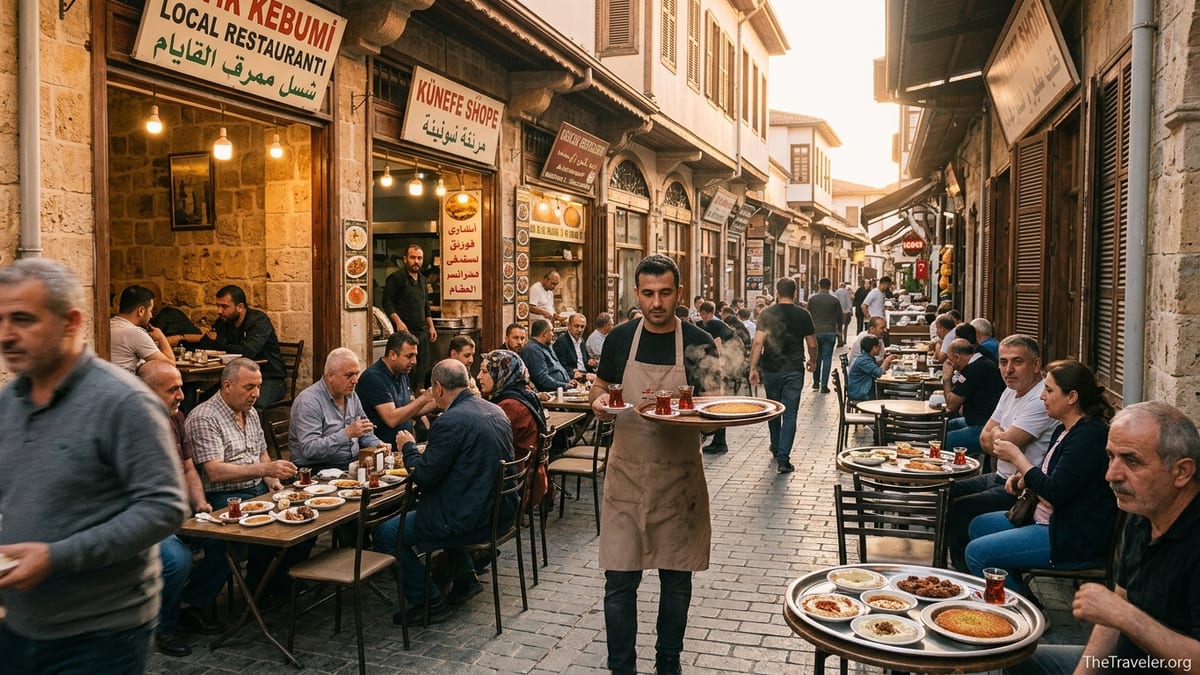
Further south near the Syrian border, Hatay (whose historic center is Antakya) has been recognized by UNESCO as a Creative City of Gastronomy, reflecting both the richness of its recipes and the diversity of its communities. Here you will taste dishes with clear Levantine character: hummus drizzled with local olive oil, mütebbel (smoky eggplant dip), kibbeh-style içli köfte, spice-heavy stews and the original künefe dessert served warm with stretchy cheese between crisp shredded pastry. Many menus are bilingual Turkish and Arabic, and a typical table fills quickly with small plates, pickles and breads that feel as much Beirut or Aleppo as Istanbul.
Because all three cities are connected by frequent buses, and Adana and Hatay also have airports with domestic flights, it is feasible to combine them in a short trip. Adana to Mersin by intercity bus or regional train can take around one hour. Mersin to Antakya usually takes about three to four hours by road, depending on route and traffic. This makes a loop or one-way culinary journey both realistic and rewarding for travelers who want to eat deeply in a compact geographic area.
Signature Dishes and What to Order in Each City
In Adana, start with the classic Adana kebabı. Look for places that grind meat daily, mixing lamb with tail fat and red pepper by hand before shaping it around long skewers. When you sit down, a proper kebabci will bring an avalanche of accompaniments: fresh greens like rocket and parsley, sliced onions with sumac, charred long green peppers, tomatoes and warm flatbread. If you see ciğer (liver) on the menu, try a plate of skewered lamb liver dusted with spices, usually served for breakfast or early lunch in local grills near Kazancılar Çarşısı, the historic bazaar area.
Beyond kebab, Adana has a long list of street and snack specialties. Şalgam suyu, a fermented turnip and carrot drink tinted purple with beet, is everywhere and is often served in big glass bottles or in plastic cups from street stands. On hot afternoons, locals cool off with bici bici, a shaved-ice-style dessert made with cubes of starch jelly, ice and brightly colored syrup, typically sold from pushcarts in residential neighborhoods. In pastry shops, look for taş kadayıf (a stuffed, fried pastry soaked in syrup) and other syrupy desserts that pair well with strong Turkish tea.
Mersin’s star is tantuni, and eating it where it was born should be on any food traveler’s list. A typical tantuni shop is small, with a domed metal griddle in the window. Meat is pre-boiled, then finely chopped and flash-fried with cottonseed oil and spices before being piled onto lavaş or a small loaf of bread. You will usually be asked if you want it “yağlı” (more fatty and juicy) or “yağsız” (leaner). Order a side of turşu (pickled peppers and vegetables) and a glass of salty ayran; a full meal of two wraps and a drink at a simple local place can still be relatively inexpensive compared with big-city Turkey prices.
Hatay’s strength lies in its variety of mezze and home-style dishes. In Antakya, many restaurants begin by bringing a large tray of cold mezze to your table for you to choose from: hummus, zahter salad with wild thyme, tepsi kebabı (a baked minced meat tray often shared between several people), fava bean purées and richly spiced tomato dips. Try oruk, Hatay’s take on kibbeh, with bulgur shells filled with minced meat and nuts. For dessert, künefe is essential. The Hatay version uses unsalted cheese sandwiched between layers of finely shredded pastry, cooked in individual copper pans in a wood-fired oven, then soaked in light syrup and served hot with clotted cream or crushed pistachios on top.
Food Markets, Bazaars and Everyday Eating
Markets are where the food cultures of these cities come into sharp focus. In Adana, the warren-like Kazancılar Çarşısı and nearby streets are packed with spice shops, nut sellers, coppersmiths and small eateries. In the mornings, grills smoke as workers crowd into simple kebab shops for liver skewers, while vendors sell still-warm flatbreads stacked in tall piles. Late afternoon is a good time to wander through, when locals shop for spices such as isot and red pepper flakes, tahini and pekmez for home kitchens.
Mersin’s central area around the old harbor and commercial streets is dotted with covered and open markets. Look for stalls piled with fresh citrus from nearby orchards, tomatoes and herbs that end up in tantuni and salads, and large displays of cezerye packed in boxes for travelers to take home. In the fish market, you can buy fresh seafood and in some cases have it cooked at adjacent casual restaurants for a small fee. If you are staying in an apartment rental, shopping for ingredients here then cooking one night in gives a deeper sense of how locals actually eat.
In Hatay, Antakya’s Uzun Çarşı (Long Bazaar) is especially atmospheric. Narrow lanes are lined with olive and olive oil merchants, bakeries turning out brick-oven breads, and shops selling local cheeses, pomegranate molasses and spice blends. Some stalls sell prepared foods like stuffed grape leaves, roasted eggplants or trays of tepsi kebabı that families pick up to finish at home. This is also the place to sample regional breakfast items: check for small shops making hummus freshly each morning, or bakeries where lahmacun and other flatbreads come out of the oven continuously across the late morning.
Daily eating patterns in all three cities lean heavily on affordable, satisfying lunch options. Workers might grab a single tantuni, a plate of kuru fasulye (beans) and rice, or a döner sandwich, while evenings are more likely to involve full kebab spreads or family-style tables of mezze. Cafes and tea houses remain important social hubs, and even if you are focused on food, pausing for Turkish tea or a simple Turkish coffee between meals is part of the local rhythm and gives your stomach needed breaks in what can easily become an all-day eating program.
Guided Food Tours and Local Culinary Experiences
For travelers who want structure, guided food tours and cooking experiences are gradually becoming more common in this part of Turkey, though the scene is not as developed as in Istanbul or Cappadocia. In Adana, some local guides and small agencies offer evening kebab walks that start around Kazancılar Çarşısı and visit several kebab houses, dessert shops and street stands. A typical three to four hour small-group tour might include liver skewers at a traditional grill, an Adana kebab with all its accompaniments, street şalgam and a dessert stop, with commentary about local traditions and neighborhood history.
In Mersin, food-focused tours often center on tantuni and desserts. Some guides offer half-day experiences that begin with a morning visit to a neighborhood market to look at local produce and spices, followed by stops at two or three different tantuni shops for comparison. You may also visit a family-run confectioner producing cezerye or Turkish delight-style sweets, where you can watch the slicing and packing process before tasting. Because organized tours here are fewer, booking at least a few days in advance during peak seasons such as spring and autumn is sensible.
Hatay, with its UNESCO gastronomy status, has seen more culinary-oriented initiatives. In and around Antakya, you can find cooking classes at small guesthouses or boutique hotels where you help prepare regional dishes like tepsi kebabı, stuffed vegetables with olive oil, and various mezze using local olives, citrus and pomegranate molasses. Some rural experiences include visits to nearby villages where families produce olive oil or make traditional breads in courtyard ovens. Many of these activities are arranged privately through your accommodation or a local travel agency rather than large international platforms, so contacting your hotel ahead of arrival can yield options that are not broadly advertised in English.
If you prefer to design your own “food tour” without a guide, you can still borrow tour-style structure. Choose one neighborhood in each city and commit to spending half a day walking, eating and observing there. In Adana, that might mean the bazaar and old city streets near the central mosque. In Mersin, you can focus around the old harbor and back streets filled with tantuni shops and dessert parlors. In Antakya, Uzun Çarşı and the surrounding lanes naturally form a walkable loop of bakeries, hummus shops, künefe parlors and spice merchants.
Building a 3- to 7-Day Culinary Itinerary
For a condensed 3-day trip, base yourself in Adana and make one quick excursion. Day one can be devoted entirely to Adana’s kebab and market culture: breakfast on liver skewers or a hearty soup, a late-morning wander through Kazancılar Çarşısı and nearby streets, and an evening seated kebab feast on the riverfront or near the city center. On day two, take a day trip to Mersin by bus or train, arriving late morning, eating tantuni for lunch at a well-known local spot near the center, exploring the markets and dessert shops in the afternoon, then returning to Adana in the evening. Day three can be a flexible mix of revisiting your favorite Adana spots, sampling bici bici or other local sweets, and leaving time for a final, unhurried meal before departure.
With 5 days, you can comfortably include Hatay. One workable route is to arrive in Adana, spend the first two days there as above, then move to Antakya on day three. Spend your first Hatay evening sampling mezze and tepsi kebabı in a traditional restaurant near the old town. Day four can start with breakfast in Uzun Çarşı, where you might try fresh hummus, olives and local cheeses alongside breads from neighborhood bakeries, then continue with a slow afternoon of market exploration and a künefe stop. On day five, explore nearby villages or archaeological sites while arranging a home-style lunch or a cooking workshop through your accommodation before heading back to Adana or onward to your next destination.
A full 7-day itinerary lets you go deeper and slow down. For example, allocate two or three nights to each city: start with three nights in Adana, adding side trips to nearby towns or riverside picnic spots between meals so the trip does not become only about eating. Then move to Mersin for two nights, using your full day there to sample tantuni, fish restaurants along the coast and dessert shops, and considering a short excursion to surrounding plateaus where summer houses and yayla settlements offer cooler air and different seasonal dishes. Finish with two nights in Antakya, including one evening devoted entirely to a leisurely multi-course dinner in a restored stone house restaurant where you can taste a broad cross-section of Hatay dishes slowly over several hours.
Whatever length you choose, it helps to think in terms of anchor meals: one standout breakfast, lunch and dinner per day. Reserve or identify these in advance, then leave snacks and street food flexible. The region’s intense flavors and generous portions mean that most travelers underestimate how quickly they will feel full, so planning for fewer, better meals often leads to a more enjoyable experience than trying to check off every famous dish in a single visit.
Practical Tips, Budget Expectations and Eating Etiquette
Compared with Turkey’s major tourist centers, Adana, Mersin and Hatay remain relatively affordable for food travel, though prices have risen in recent years along with national inflation. Simple meals such as a single tantuni wrap with ayran or a portion of beans and rice can often remain within a modest budget, while full kebab spreads or multi-plate mezze dinners in well-known restaurants will understandably cost more. It is useful to carry some cash for small eateries and market stalls, though mid-range restaurants increasingly accept cards.
Breakfast is important in this region, and even budget hotels often include a buffet with tomatoes, cucumbers, olives, cheese, bread and eggs. If breakfast is not provided or you want something different, seek out simit bakeries or local börek shops that sell trays of pastry stuffed with cheese, meat or potatoes. For snacks, fresh fruit from markets, small portions of künefe to share or cups of local ice cream help balance the heavier meat dishes that dominate many lunches and dinners.
As for etiquette, casual local restaurants are welcoming of solo travelers and families. It is normal for staff to bring a variety of small extras that do not appear explicitly on the written menu: herbs, chilies, pickles, bread and tea. In many places these are included in the overall price, but in some more formal restaurants there may be a small per-person cover charge. Tipping practices can vary, but leaving a modest amount in cash on the table or rounding up the bill in mid-range spots is appreciated when service has been attentive.
Dress codes are relaxed; smart-casual clothing is more than acceptable in most places, though in very traditional neighborhoods you may feel more comfortable in modest outfits. Alcohol availability also varies. Many kebab restaurants in Adana and some places in Mersin serve beer or rakı, while in more conservative areas and in some family-focused establishments you will instead find an emphasis on non-alcoholic drinks like şalgam, ayran or fruit juices. When in doubt, a quick look at tables around you or a polite question to the staff clarifies the situation easily.
The Takeaway
A food-focused journey through Adana, Mersin and Hatay offers an unusually concentrated taste of Mediterranean Turkey. Each city has its own defining flavors: the charcoal-grilled intensity of Adana kebab and early-morning liver skewers, the sizzling meat-filled wraps and sweets of Mersin, and the layered mezze culture and Levantine desserts of Hatay. Together, they create a rich picture of how geography, migration and history have shaped what people eat here every day.
Because distances are short and transport connections are straightforward, you can experience this region in anything from a long weekend to a full week, adjusting depth and pace to your appetite. Markets, street stands and old bazaars provide constant opportunities for spontaneous snacking, while a growing network of local guides, cooking classes and rural experiences gives structure to those who want it. With a bit of planning and plenty of room in your schedule, a Mediterranean Turkey food tour can be one of the most memorable eating trips in the country.
FAQ
Q1. Is it safe to travel to Adana, Mersin and Hatay for a food-focused trip?
Conditions can change, but these cities are accustomed to domestic visitors and everyday life continues with busy markets and restaurants. It is wise to check current travel advisories, stay updated on local news and follow any guidance from your government and accommodation providers before you go.
Q2. How many days do I need to properly explore the food scene in this region?
A swift introduction is possible in three days based in Adana with a side trip to Mersin, but five to seven days let you include Hatay and pace your meals more comfortably without rushing or over-eating.
Q3. Do I need to book restaurants in advance?
For casual kebab houses, tantuni shops and most market eateries, reservations are usually not necessary. For popular evening spots, especially in Hatay’s historic center or Adana’s better-known kebab restaurants, calling ahead or asking your hotel to reserve can prevent long waits on weekends.
Q4. Are vegetarian or vegan travelers well catered for?
Meat is central in many signature dishes, but all three cities offer plenty of vegetable-based mezze, salads, legumes, breads and breakfasts. Strict vegans may need to ask detailed questions about butter, yogurt or animal fats and may rely more on markets, bakeries and self-catering for complete control.
Q5. What is the best time of year for a Mediterranean Turkey food tour?
Spring and autumn are generally the most comfortable, with milder temperatures that make walking between markets and restaurants pleasant. Summer can be very hot and humid, especially at midday, while some winter days are cool and rainy but still good for hearty kebab and stew-focused meals.
Q6. Can I drink tap water in these cities?
Locals often use tap water for cooking and tea, but many people, including visitors, prefer bottled water for direct drinking. Bottled water is widely available in markets, kiosks and restaurants at modest prices.
Q7. How easy is it to move between Adana, Mersin and Hatay without a car?
Intercity buses and minibuses run frequently between the cities, and Adana and Mersin are also linked by trains on some routes. Travel times are relatively short, so most food travelers manage perfectly well using public transport combined with taxis or rides within city centers.
Q8. Will language be a problem when ordering food?
Turkish is the main language and Arabic is also heard in parts of Hatay, but in many restaurants someone will know basic English, especially in city centers. Simple strategies like pointing at display dishes, using translation apps and learning a few Turkish food words go a long way.
Q9. Are there local customs I should know when eating in traditional places?
It is polite to accept tea if offered at the end of a meal, to avoid wasting food by ordering more than you can eat, and to keep voices moderate in family-oriented restaurants. Paying at the counter rather than the table is common in small shops, so watching what locals do will guide you.
Q10. What should I bring home as edible souvenirs from this region?
From Adana, vacuum-packed spices and pepper pastes travel well. In Mersin, locally made cezerye, kerebiç cookies or packaged tantuni spice blends are popular. From Hatay, consider olive oil, pomegranate molasses or vacuum-sealed olives and za’atar-style herb mixes, always checking customs rules for your home country.