


The eastern Mediterranean coast of Turkey feels very different from the busy resorts further west. Here, long local beaches, serious food cities and quiet farming towns sit beside some of the country’s most atmospheric castles and Roman ruins. Choosing the right base can make the difference between a relaxed swim-and-meze break and a busy road trip linking remote archaeological sites. This guide compares key hubs in Mediterranean Turkey, from Mersin and Kızkalesi to Anamur, Adana and Antakya, and explains which works best for beach holidays, families, couples, history fans and dedicated food trips.
Mediterranean Turkey at a Glance: How the Main Bases Compare
Turkey’s Mediterranean coastline east of Antalya is more low key and local than the famous Turquoise Coast around Kaş or Fethiye. Instead of big all inclusive resorts, you find mid range seafront hotels, family run motels and apartment rentals, often just steps from the water or a short dolmuş ride away. Distances are long, so choosing a smart base matters if you want to minimise time in transit.
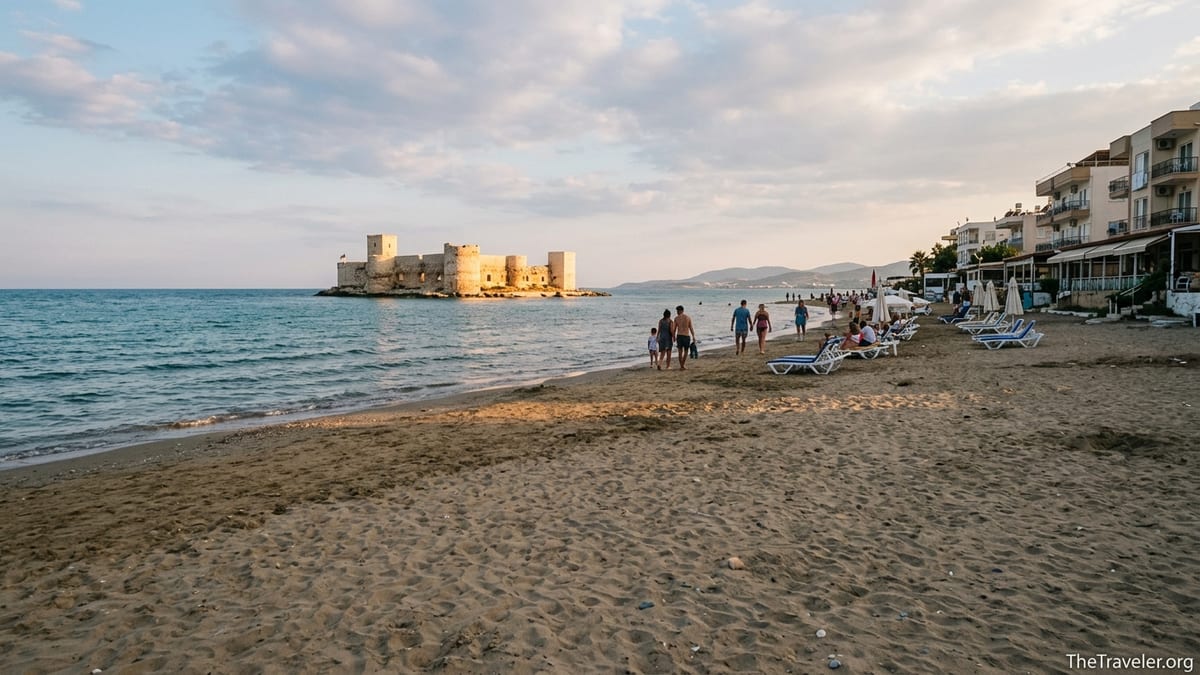
Mersin city is the region’s main urban hub, handy for transport and business travel, but its beaches are not the main draw. About one hour west, Kızkalesi offers a walkable resort centre, sandy public beach and direct views of the offshore Maiden’s Castle, making it one of the easiest bases for classic beach holidays. Continue several hours further west and you reach Anamur, scattered along a fertile coastal strip with a long town beach, the ruins of Anemurium and the spectacular seafront Mamure Castle.
Inland, Adana is not a beach destination at all but a major city known for grilled meat, lively streets and connections across southern Turkey. South of it, Antakya in Hatay province has long been a crossroads of cultures with a deep culinary tradition and an old town of stone houses and churches. For pure sea-and-sand you will generally want Kızkalesi or the smaller coastal communities between Mersin and Anamur. For food, nightlife and access to broader transport networks, Adana and Antakya make stronger bases, even though you will travel out for swims.
Accommodation prices along this coast are usually lower than on the western Mediterranean. Simple seafront hotels and pensions in Kızkalesi or Anamur can often be found in the range of modest mid range European city hotels, especially outside the school holidays that run roughly from mid June to early September. Many family travellers opt for apart hotels with kitchenettes, which are common in these towns.
Mersin & Kızkalesi: Easiest Bases for Beach Holidays and Families
Mersin is a large port city with malls, universities and a long waterfront promenade. It works well if you want city comforts and are happy to commute by bus or car to nearby beaches. The seafront district near Atatürk Park has business style hotels and apartment rentals suited to short stays, work trips or travellers connecting by intercity bus. Public transport runs frequently along the coastal highway, so you can base here if you prefer a bigger city atmosphere and day trip down the coast.
Most leisure travellers however prefer to stay directly in one of the beach towns west of Mersin. Kızkalesi, part of Erdemli district, has grown into a compact resort with a wide sandy public beach that has even hosted international beach volleyball events. Behind the sand are mid range hotels, small guesthouses and simple apart hotels, many on narrow streets that lead straight to the promenade. Several properties advertise private strips of the beach with loungers for guests, which can be appealing for families with children who want easy, predictable beach access.
Kızkalesi’s main selling point is its setting opposite the offshore Maiden’s Castle, an island fortress about 300 metres from the shore. Many hotels and cafes line up so that guests can swim with a full view of the castle rising out of the water. In practice this means that even an affordable seafront room can feel special. Parent friendly features are common: shallow entry into the sea on parts of the beach, casual seafood restaurants where kids are welcome and late opening ice cream stands and bakeries along the promenade.
For families and couples who want a straightforward week of sea, simple seafood and short excursions, Kızkalesi works very well. You can add half day trips to nearby coves such as Narlıkuyu or to inland ruins without spending too many hours in the car. Many visitors arrive by intercity bus to Mersin and then take a smaller bus or dolmuş onward, but if you intend to explore the whole coast from Silifke to Anamur, hiring a car in Mersin or Adana will give you far greater flexibility.
Anamur & the Western Mersin Coast: Quiet Beaches and Castle Views
Several hours’ drive west of Mersin, the small city of Anamur and its surrounding villages feel remote and distinctly local. The area is famous in Turkey for banana plantations, and much of the flat land near the sea is covered in greenhouses. For travellers, the key attractions are Anamur’s long town beach, the ancient seaside ruins of Anemurium and Mamure Castle, a dramatically preserved fortress right on the shoreline.
Anamur’s accommodation stock is modest but improving. Along the town beach and near the harbour you will find simple hotels and pensions with basic rooms, balconies and often breakfast included. A cluster of small seafront hotels and motels sits close to Mamure Castle itself, so you can wake up and see its towers from your balcony or the beach. Some of these properties have direct beach access and outdoor dining areas that look across the water to the castle walls, making them attractive to couples or history enthusiasts who want a strong sense of place.
Because this stretch of coast sees far fewer package tourists than western Turkey, prices tend to be lower and the atmosphere more relaxed. In high summer you will share the sand mostly with Turkish families and local youths rather than large foreign groups. This can be a positive if you are seeking immersion in everyday Turkish life, though English will be less widely spoken and hotel facilities may be simpler. Renting a car makes a big difference here, as public transport between small coves, ruins and villages is limited and often runs only during the day.
Anamur is a natural base for travellers who like unhurried days: morning swims, visits to nearby ruins, lazy lunches in casual lokantas and evenings watching the sunset from a sea facing terrace. It is also a strong choice for a road trip itinerary linking the lesser known archaeological sites scattered between Mersin and the Antalya border. Couples interested in photography and castle architecture in particular will value being so close to Mamure’s towers and sea walls, which catch warm light at sunrise and sunset.
Adana: Inland Powerhouse for Food Trips and Transport Connections
Adana lies inland on the Seyhan River and does not have a beach, yet it is one of the most compelling bases in Mediterranean Turkey for travellers motivated by food and city life. It is a major regional centre with its own airport, high frequency intercity buses and train services, so many itineraries naturally pass through here. For those willing to day trip to the coast, Adana sits within driving distance of both Mersin’s beaches and various small seaside communities.
The city is famous across Turkey for Adana kebab, a spicy minced meat skewer cooked over charcoal and served with flatbread and grilled vegetables. Dining streets around the historic clock tower and traditional bazaars host long established kebab houses where locals queue for freshly grilled portions, as well as casual spots serving offal dishes, liver kebab and regional desserts. Food focused travellers can easily spend several days moving between grill houses and dessert shops, exploring side streets near the river and the old stone bridge between meals.
Accommodation in Adana ranges from large international chain hotels along the riverfront and in the city centre to mid range business hotels clustered around the railway station and main shopping streets. Prices are often competitive compared with coastal resorts, especially on weekdays when many guests are in town for work. For visitors who want to balance eating, light sightseeing and day trips, staying near the central districts around the clock tower or the pedestrianised shopping areas works well, placing you close to both traditional food streets and modern cafes.
Adana makes sense as a base if you are flying in and out of the city, driving your own car and want to combine serious eating with one or two beach days in Mersin or Kızkalesi. It is less suited to travellers who prioritise daily swimming, as you will face at least an hour to the coast by road. Summer can be extremely hot, so some visitors prefer to schedule their Adana stay in spring or autumn, using the city as a jumping off point for a wider circuit through Hatay and the eastern Mediterranean coast.
Antakya & Hatay: Culture, History and Gastronomy Near the Coast
Antakya, the modern continuation of ancient Antioch, is another inland base that appeals more for its culture and food than for direct beach access. The city lies along the Orontes River not far from the Mediterranean, with a historic core of old stone houses, churches, mosques and narrow alleys. Hatay’s cuisine reflects Arab, Turkish and Mediterranean influences, and the region has been recognised for its gastronomy by international organisations, which in turn has encouraged the opening of more restaurants and food focused cultural projects.
Travelers interested in history can visit the archaeological museum with its renowned mosaics, explore historic mosques and churches and wander the old quarter’s lanes. The surrounding province contains villages, monasteries and viewpoints looking down to the sea. Several coastal settlements in Hatay, such as Samandağ, have long beaches that attract domestic visitors, though facilities remain basic in places and strong currents can be an issue, so they are better suited to confident swimmers and those with a car.
Antakya’s accommodation landscape includes restored townhouses converted into boutique hotels, modern mid range properties and simple guesthouses. Staying in or near the old town places you within walking distance of meze restaurants, dessert shops serving künefe and tea gardens where locals gather in the evenings. Many boutique hotels organise food themed experiences like tasting menus or visits to local producers, which can be ideal for couples on a culinary trip.
Antakya works as a base for travellers who value rich history and sophisticated food more than hours on the sand. From here you can drive to the coast for day trips while returning in the evening to a lively restaurant scene and attractive old streets. It also pairs naturally with Adana as part of a one week itinerary focused on two of southern Turkey’s strongest food cities.
Best Bases by Travel Style: Beaches, Couples, Families and History Lovers
If your priority is daily swimming and a relaxed seaside rhythm, Kızkalesi is one of the most straightforward choices. The town offers a good balance of sandy beach, small scale accommodation and easy services such as supermarkets, bakeries and casual restaurants. Families in particular appreciate being able to walk from hotel to sea without crossing busy highways, and the presence of both public beach areas and hotel controlled sections with loungers and umbrellas.
Travellers who want quieter surroundings and a stronger sense of discovery will gravitate toward Anamur and the western Mersin coast. Here the beaches are less developed, and you share them mainly with locals. Couples who enjoy exploring together can spend days discovering small coves, visiting Mamure Castle and wandering through the hillside ruins of Anemurium before returning to a modest seafront hotel or guesthouse. Dinner might be grilled fish in a simple restaurant that also serves as the owner’s living room, which can feel far from the polished atmosphere of big resorts.
History focused travellers have several strong bases to choose from. Anamur is obvious for Mamure Castle and Anemurium, but Kızkalesi also sits near important sites such as the island castle offshore and inland ruins scattered around Silifke and the Göksu valley. Basing in Mersin city can work for those who prefer a larger urban environment while day tripping by car to Tarsus, Kanlıdivane and other archaeological sites within a broad radius.
For dedicated food trips, Adana and Antakya stand out. You can easily design an itinerary that spends three nights in Adana sampling kebab houses, liver grills and dessert shops, then move on to Antakya for another three or four nights focused on meze, home style stews and pastries. From each city, renting a car or arranging private transfers for one or two days at the coast allows you to add swims without giving up evening access to high quality restaurants and lively neighbourhoods.
Practical Tips for Booking Accommodation and Getting Around
When comparing accommodation along this stretch of coast, pay attention to exact location and access to the sea. In Kızkalesi or Anamur, “seaview” can mean a room on the far side of a coastal road with traffic between you and the beach, while “beachfront” usually indicates direct access from the property to the sand. Many smaller hotels list only a few rooms with full sea views, so booking earlier for high season increases your chances of securing one of these, especially if you want a balcony facing the water.
Facilities also vary considerably. At the budget end you will find simple tiled rooms with air conditioning and basic private bathrooms, sometimes without lifts or formal reception desks. Mid range beach hotels and motels often include breakfast, free parking and a small restaurant or cafe. In Adana and Antakya, international style hotels tend to offer wider amenities like gyms, room service and more consistent Wi Fi, which can be useful if you are working remotely while travelling.
Public transport connects the main hubs, with frequent buses between Adana and Mersin and onward services along the coastal highway. Dolmuş minibuses and local buses run between Mersin, Kızkalesi, Silifke and some smaller beach settlements, but services can thin out in the evenings and on certain routes out of season. For road trips, hiring a car in Adana or Mersin gives you maximum flexibility to explore coves, viewpoints and remote ruins. Drivers should be comfortable with narrow coastal roads and occasional slow sections behind trucks or tractors.
Seasonality matters too. July and August bring high temperatures and busy beaches, especially at weekends when local families come down to the sea. During these months, booking air conditioned rooms and checking whether your hotel offers shaded outdoor areas or access to a pool can make your stay more comfortable. In shoulder seasons such as late May, June and September, the sea is usually warm enough for swimming and accommodation rates often drop, making it an attractive window for couples, road trippers and history minded travellers.
The Takeaway
Choosing where to stay in Mediterranean Turkey is ultimately about deciding which mix of sea, city and culture matters most to you. Kızkalesi and the surrounding beach towns are the obvious options for straightforward seaside holidays, especially for families and first time visitors who value easy access to the water and simple, walkable centres. Anamur and the western Mersin coast appeal to those with a taste for quieter, more local experiences and dramatic historic sites right on the shore.
Adana and Antakya, by contrast, shine as inland bases for travellers who prioritise food, cultural depth and strong transport links over having a beach at the doorstep. Both cities reward slow exploration and make excellent anchors for itineraries that combine serious eating with targeted days at the sea and visits to castles, ruins and villages. Mersin city sits in between, practical for connections and business trips, and a useful starting point for exploring the coast.
With realistic expectations about facilities, a willingness to rent a car if you want to roam widely and an eye on seasonal conditions, this quieter corner of the Mediterranean can deliver a rich and varied trip. Whether you picture yourself floating in warm water under the gaze of island castles, lingering over kebab in a buzzing inland city or tracing the outlines of ancient walls at sunset, there is a base along this coast that will fit the way you like to travel.
FAQ
Q1. Is Kızkalesi or Anamur better for a classic beach holiday?
Kızkalesi is better if you want a compact resort feel with a central sandy beach, lots of small hotels and easy services, while Anamur suits travellers who prefer quieter, more local beaches and are happy with simpler facilities.
Q2. Can I use Adana as a base and still visit the Mediterranean beaches easily?
Yes, many travellers base in Adana for the food and city life, then drive or take a bus to Mersin or Kızkalesi for day trips. Expect at least about an hour by road each way, longer in summer traffic.
Q3. Is Mediterranean Turkey around Mersin and Anamur suitable for families with children?
It can work very well for families, especially in Kızkalesi where the main beach is wide and there are many small hotels and apart hotels. Parents should still check beach conditions locally, supervise swimming and confirm that their chosen property is close enough to the sea for easy daytime breaks.
Q4. Where should couples stay if they want both atmosphere and good food?
Couples who prioritise dining and evening atmosphere often choose Antakya or Adana, using them as bases for food focused stays with day trips to the coast, while those who want sea views and quiet might prefer a seafront motel near Mamure Castle or a boutique style hotel in Kızkalesi.
Q5. Do I need to rent a car to explore this part of Mediterranean Turkey?
You can travel between main hubs like Adana, Mersin and Kızkalesi by bus, but a car makes it much easier to reach smaller coves, ruins and villages, especially around Anamur and on less frequented stretches of coast.
Q6. How far in advance should I book accommodation in Kızkalesi or Anamur?
For July and August it is wise to book several weeks in advance, particularly if you want seafront rooms, family sized apartments or specific properties near popular beaches or Mamure Castle. In shoulder seasons there is usually more flexibility.
Q7. Is Mersin city a good place to stay, or should I go straight to the smaller beach towns?
Mersin is useful if you need big city services, transport connections or business style hotels, but for a pure beach holiday most travellers prefer to continue to towns like Kızkalesi or smaller coastal communities with easier direct access to the sea.
Q8. Are there strong historical sites near these Mediterranean bases?
Yes, highlights include Mamure Castle and the ruins of Anemurium near Anamur, island and shore castles around Kızkalesi, and multiple archaeological sites and historic religious buildings around Antakya and Mersin’s hinterland.
Q9. What is the best time of year to visit for both swimming and sightseeing?
Late May, June and September often offer a good balance of warm sea temperatures, manageable heat for day trips and somewhat lower accommodation prices compared with the peak of July and August.
Q10. Is English widely spoken in Mediterranean Turkey outside the main resort areas?
In larger cities such as Adana and Mersin you will find more English speakers in hotels and some restaurants, while in smaller coastal towns and local eateries it is less common, so a few basic Turkish phrases and translation apps are helpful.