


Istanbul is one of the few cities where you can stand in a Byzantine basilica turned mosque in the morning, haggle for hand painted ceramics at noon, and watch the sun drop behind the Bosphorus with a grilled fish sandwich in hand. It is spectacular, layered, occasionally chaotic and, in 2026, noticeably more expensive at its headline attractions. This guide focuses on the city’s essential sights, realistic food experiences, and which tickets are worth pre booking so you spend more time exploring and less time queuing in Sultanahmet.
Historic Heart of Istanbul: Hagia Sophia, Blue Mosque and Sultanahmet
Most first visits to Istanbul start in Sultanahmet, the old city plateau where Hagia Sophia, the Blue Mosque and the Hippodrome sit within a few minutes’ walk of one another. Hagia Sophia is now an active mosque again, but there is also a paid upper gallery visiting route marketed to tourists. In practice this means that you can enter the prayer hall for free outside prayer times, dressed modestly and with shoes removed, while a separate, time controlled ticket lets you see mosaics and upper level viewpoints. In 2026 this paid route is commonly priced in euros rather than lira, so it is wise to check the latest figure at the official ticketing point or QR code outside the complex and be cautious about third party “full experience” offers that sound broader than they are.
The Blue Mosque, opposite Hagia Sophia across Sultanahmet Square, remains free to enter as a place of worship. Recent restorations have left the interior stonework and tiles looking fresh, and it is one of the few major sights in the city where you may still feel that the experience far outweighs the absence of a ticket charge. Respectful dress is required at both mosques: knees and shoulders covered, women with a headscarf for Hagia Sophia and Blue Mosque, and no tight or transparent clothing. Scarves and wraps are usually lent out at the entrance, but it is more comfortable to bring your own, especially at busy times such as late morning and just before sunset.
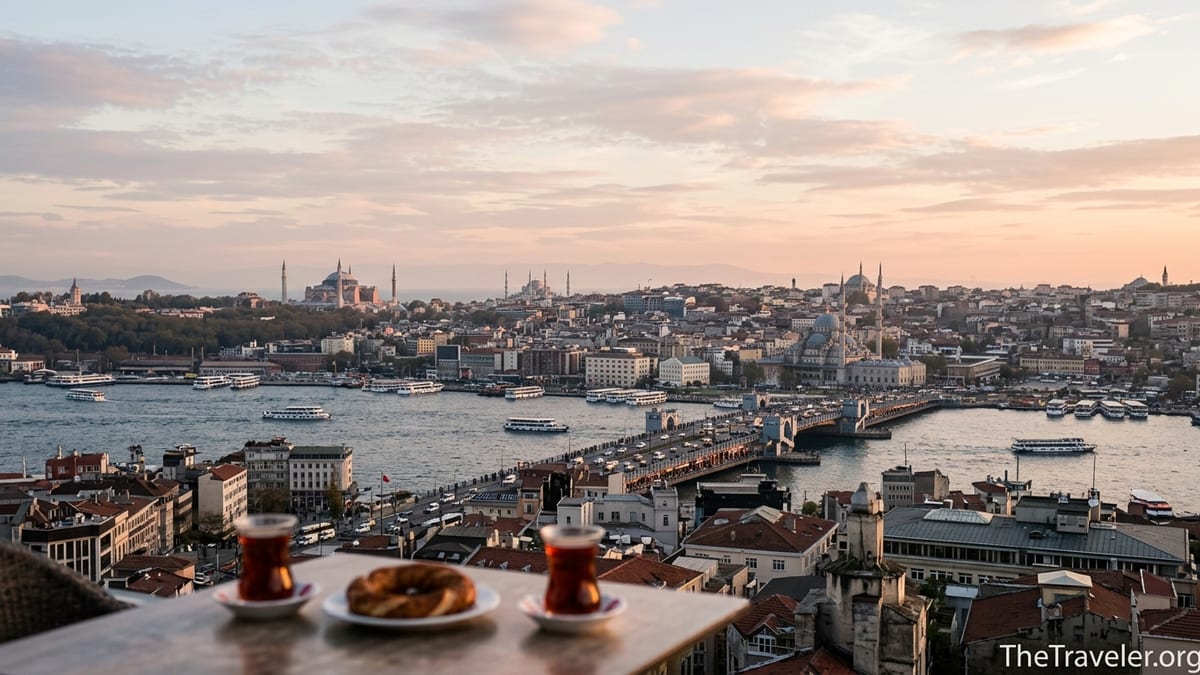
For timing, early morning on a weekday or late afternoon outside Friday prayers are the calmer windows for both mosques. On Fridays, the main halls close for several hours around midday, which can catch short stay visitors out. It is common for travelers to combine both mosques with a walk around the Hippodrome area and a stop at a nearby rooftop terrace cafe for a first panoramic look at the city’s skyline. Expect to pay roughly the price of a light lunch for a coffee in exchange for the view from many of these terraces, which is still a fair trade if you choose somewhere with clear sightlines to the domes.
Given the crowds and evolving ticket rules at Hagia Sophia in particular, pre booking a small group guided visit through a well reviewed operator can make sense if you value interpretation as much as access. A good guide will explain how the building shifted from a sixth century basilica to Ottoman imperial mosque, museum and back to mosque again, and will also help you navigate current entrance flows, which can change with little notice.
Topkapı Palace and Basilica Cistern: When a Ticket Is Worth It
Topkapı Palace is the one blockbuster museum in Istanbul that still consistently feels worth the time and cost for many visitors. Set on a headland above the Bosphorus and Golden Horn, it was the political and ceremonial center of the Ottoman Empire for centuries. Tickets are sold as timed day passes with optional add ons for the Harem and, in some cases, for Hagia Irene in the outer courtyard. Official information confirms that Topkapı is closed on Tuesdays, which is unusual in a city where many palaces under the National Palaces administration close on Mondays instead. Planning around that closure is important if you only have two or three days in the city.
The main ticket grants access to courtyards, audience halls, kitchens and pavilions, but not automatically to the Harem. The Harem is a separate section with its own entry fee, and while prices in 2026 have climbed to the point where international visitors often compare the combined cost to major Western European palaces, the experience is still unique: tiled corridors, stained glass windows and small, intimate rooms where imperial family life unfolded. Museum and national palace passes are regularly updated, and the fine print usually states that the Harem is excluded, so do not rely on a pass alone if that section is important to you.
A short walk from Hagia Sophia in the opposite direction brings you to the Basilica Cistern, the largest of the city’s underground reservoirs. The cistern’s forest of columns and cool, echoing air offer a dramatic contrast to the bright streets above, and lighting installations highlight Medusa head column bases and carved details. In 2026 the attraction has seen significant price rises and periodic changes in management and ticketing systems, and independent reports mention higher charges for foreigners compared to Turkish citizens. Queues on rainy days and in peak season can be very long since capacity is limited underground.
For both Topkapı and the Basilica Cistern, pre booking is advisable in high season or on weekend visits. For Topkapı this can be via the official National Palaces ticketing system or the Istanbul focused museum passes that bundle several major sights. For the cistern, check close to your travel dates whether online timed entry is possible or if same day, on site tickets are the norm. If you are trying to keep costs under control, you might choose to pay for Topkapı Palace and skip the cistern in favor of a free stroll around nearby Gülhane Park and the exterior of the Aqueduct of Valens, which offer atmospheric glimpses of the city’s water history without a high entry fee.
Markets, Towers and the Bosphorus: Classic Istanbul Experiences
The Grand Bazaar still dominates many imaginations of Istanbul. Inside its covered lanes you will find jewelry shops, kilim dealers, antique stalls and plenty of modern souvenirs. After years of tourism waves, prices inside the bazaar are rarely bargains, but the atmosphere remains compelling. As a foreign visitor you can expect to negotiate over carpets, lamps and ceramics; initial quotes may be several times the final agreed price. For simple items like Turkish delight or tea, many travelers now prefer nearby streets such as those around the Spice Bazaar or open air markets in Eminönü and Kadıköy, where turnover is higher and prices closer to what locals pay.
Galata Tower, a medieval stone cylinder overlooking the Golden Horn, is another long standing favorite. Since its refurbishment and reopening to visitors with a cap on hourly admissions, lines can build at peak times. In 2026 there is an official euro denominated ticket and access is managed as a museum visit rather than a casual climb. Some visitors report being upsold audio guides or headsets they did not need, so clarify what is included in the ticket before you pay. The views from the top are dramatic, but an alternative for budget conscious travelers is to enjoy similar panoramas from nearby rooftop bars or hotel terraces in Karaköy and Beyoğlu, where the cost is rolled into a drink or snack rather than a separate entrance.
No trip to Istanbul feels complete without time on the water. Public ferries across the Bosphorus are the most affordable way to experience the city’s maritime geography. For the price of a city transit fare loaded on an Istanbulkart, you can ride from Eminönü or Karaköy to Kadıköy or Üsküdar in about twenty minutes, watching the domes and minarets slip by. There are also longer Bosphorus cruises, from simple two hour loops up to the Fatih Sultan Mehmet Bridge to full day sailings that reach the small village of Anadolu Kavağı near the Black Sea mouth.
Pre booking is useful if you want a sunset cruise with a set itinerary, dinner or commentary in your language. Many operators sell tickets along the Eminönü waterfront, but the quality varies and schedules can change last minute. Booking a well reviewed cruise a day or two ahead can reduce stress, especially in summer when sunset departures sell out. If you are comfortable with local transport, however, combining standard ferries into your own informal “cruise” is both cheaper and more flexible, letting you hop off for tea in Üsküdar and then continue north along the Asian shoreline.
Dolmabahçe Palace, the Bosphorus Shore and the Asian Side
Dolmabahçe Palace, north of Sultanahmet in the Beşiktaş district, replaced Topkapı as the main imperial residence in the 19th century. Its style is very different: European influenced facades, vast crystal chandeliers and a ceremonial hall facing the water. In 2026 Dolmabahçe operates as part of the National Palaces network, which means that a dedicated ticket or a National Palaces pass is required, and it usually closes on Mondays. Security at the entrance is airport style, and interior photography rules can be strict. The standard visit covers the Selamlık, or official part of the palace, with optional access to the Harem and a palace collections museum.
The location on the Bosphorus makes Dolmabahçe easy to combine with a waterfront walk or bus ride north toward Ortaköy. In Ortaköy you can try kumpir, an overfilled baked potato piled with salads and sauces from small kiosks, and admire the baroque Ortaköy Mosque set almost at the edge of the water under the Bosphorus Bridge. This stretch of the European shore is busy but lively, especially around sunset on weekends, and gives you a different feel from the older stone lanes of Sultanahmet.
Across the water, the Asian side of Istanbul offers a change of pace. Kadıköy is a major transport hub with a food focused market area where greengrocers, fishmongers and meze bars line the streets. An evening spent here can include trying fresh fish at a casual lokanta, sampling meze plates at a rakı bar, and finishing with a late night dessert of tavuk göğsü or künefe. Prices in Kadıköy are often lower than in the historic peninsula or tourist dense parts of Beyoğlu, and you are more likely to find yourself surrounded by Istanbul residents than tour groups.
North of Kadıköy, the hilltop Çamlıca area has become known for its gigantic modern mosque and city views. Reaching it requires a taxi or a combination of metro and bus, and there is no entry fee for the mosque itself. If you are short on time, a more straightforward Asian side visit is to pair Kadıköy with a stroll along the Moda promenade, where locals jog, picnic and drink tea from glass tulip shaped glasses while looking back at the old city skyline.
Essential Food Experiences: From Street Snacks to Meze Nights
Istanbul’s food scene is one of the best reasons to linger. Street level staples include simit, a sesame crusted bread ring sold from red carts and bakeries, and balık ekmek, grilled fish sandwiches usually eaten along the Eminönü waterfront. A typical simit costs little more than a city bus fare and makes an easy breakfast on the go, while a fish sandwich is a filling lunch that still feels anchored in the city’s maritime identity. In busy areas, look for carts with a steady flow of local customers, which is usually a good sign of freshness.
For sit down meals, traditional lokantas offer ready cooked stews, vegetable dishes and rice displayed behind glass counters. You point to what you want, and staff assemble a plate or tray. This is an excellent way to try classics such as kuru fasulye, buttery white beans in tomato sauce often eaten with rice, or imam bayıldı, slow cooked eggplant with onions and tomatoes. Prices here are generally lower and portions more honest than on tourist oriented restaurant strips, and you can see exactly what you are ordering.
Meze restaurants, where small shared plates accompany glasses of anise scented rakı, are another key Istanbul experience. In neighborhoods like Karaköy, Asmalımescit and Kadıköy, you will find venues setting out trays of cold meze for you to choose from: stuffed vine leaves, aubergine salads, oktapodi, cheeses and seasonal greens. A full evening with multiple plates, a grilled fish main course and drinks will not be cheap by local standards in 2026, but compared with similar experiences in Western Europe it is often still reasonable. To keep costs under control, ask staff for a rough price range before ordering and focus on vegetable based dishes, which are usually better value than imported seafood.
Coffee and dessert traditions are also part of the city’s daily rhythm. Turkish coffee is strong and served in small cups, with the grounds settling at the bottom, while tea is drunk almost continuously. For sweets, baklava, sütlaç rice pudding and boza, a fermented drink topped with roasted chickpeas and cinnamon in winter months, are worth seeking out. In especially touristy areas you may be pushed toward elaborate “show” desserts or novelty ice cream performances; for a more authentic experience, ask for recommendations from hotel staff or guides and walk a few blocks away from the main squares.
What to Pre Book in Istanbul and What to Leave Flexible
With entrance fees rising and more attractions switching to timed tickets, it is natural to wonder how much of an Istanbul visit should be pre planned. In general, it is wise to pre book for a handful of high demand sights and experiences, and leave the rest of your time open for wandering and spontaneous stops. For most short stays, the list of attractions worth serious advance planning includes Topkapı Palace, the Basilica Cistern, Galata Tower in peak months, a Bosphorus sunset or dinner cruise if that appeals, and any highly rated food tour or cooking class you have your heart set on.
Museum and palace passes can be useful if you plan to visit several covered attractions within a few days. Istanbul Museum Pass products typically include Topkapı Palace, the Archaeology Museums, the Great Palace Mosaics Museum, the Museum of Turkish and Islamic Arts and Galata Mevlevi House, among others. These passes are sold in euros to foreign visitors and are valid for a fixed period, often five days. Before buying, make a rough list of which included museums genuinely interest you and add up their individual ticket prices based on recent information. If your total comes close to or exceeds the pass cost, and you value the ability to bypass some ticket lines, the pass can be a solid choice. If you mostly care about one or two big sites, buying separate tickets may be simpler.
For Dolmabahçe Palace and other National Palaces, a National Palaces combined ticket or full pass can be good value if you plan to see multiple properties such as Beylerbeyi Palace, Küçüksu Pavilion and several smaller pavilions on both sides of the Bosphorus. These passes are sold at palace ticket offices and sometimes online, and they usually have their own validity rules. Check carefully which locations are included and note that Topkapı Palace is managed slightly differently, with its own combined arrangements.
Beyond monuments, food and neighborhood experiences usually do not need pre booking unless you are visiting at a very busy time, such as major public holidays, or you are targeting a particularly popular restaurant. In those cases, a phone reservation or online booking the day before is often enough. Walking tours, especially themed ones focusing on Ottoman history, street food or photography, can sell out days in advance in high season, so if you see a small group tour with excellent recent reviews that matches your interests, reserve a spot before arriving in the city.
The Takeaway
Istanbul in 2026 is both more expensive and more regulated at its headline attractions than it was a decade ago, but the core appeal of the city is unchanged. Hagia Sophia’s layered history, the courtyards of Topkapı, the cool shadows of the Basilica Cistern, the bustle of the Grand Bazaar and the slow sweep of the Bosphorus all still feel remarkable when experienced in person. Thoughtful planning helps you navigate changing ticket systems and avoid the worst queues without turning your trip into a rigid checklist.
Focus your advance bookings on a small number of time sensitive or high demand experiences, and keep generous space in your days for ferries to the Asian side, unhurried lokanta lunches and evening walks through neighborhoods where locals outnumber visitors. Use museum and palace passes only when they clearly match the way you like to travel, and do not feel obliged to pay for every viewpoint or underground chamber if the prices strain your budget. The city’s true richness lies as much in its streets, tea houses and waterfronts as in its formal monuments.
FAQ
Q1. Do I need to pre book tickets for Hagia Sophia?
The prayer hall is free to enter outside prayer times and cannot be reserved, but the paid tourist visiting route to the upper galleries often uses timed tickets. In busy months it is sensible to secure that ticket in advance through the official system or a reputable guided tour, especially if you have limited time.
Q2. Which Istanbul attractions are most important to book ahead?
The main sights where advance planning matters are Topkapı Palace, the Basilica Cistern, Galata Tower during peak seasons, Dolmabahçe Palace on weekends, and any Bosphorus sunset or dinner cruise you especially want. Food tours and small group walking tours with strong reviews also merit pre booking.
Q3. Is the Istanbul Museum Pass worth it in 2026?
It can be good value if you plan to visit several covered museums such as Topkapı Palace, the Archaeology Museums and the Museum of Turkish and Islamic Arts within the pass validity period. If you only intend to see one or two paid sites, individual tickets are usually more economical.
Q4. Are the Grand Bazaar and Spice Bazaar still worth visiting?
Yes, both remain atmospheric and historically significant, though prices in the Grand Bazaar are often higher than in local markets. Many travelers now treat the bazaars as cultural sights, buying a few special items there and doing most everyday shopping in areas like Kadıköy or neighborhood markets.
Q5. What is the dress code for mosques like Hagia Sophia and the Blue Mosque?
Both men and women should cover shoulders and knees, avoid tight or transparent clothing, and remove shoes before entering. Women are expected to cover their hair with a scarf. Scarves and wraps are usually available at the entrance, but bringing your own is more comfortable and avoids small rental charges.
Q6. Do I need a guided tour for Topkapı Palace?
A guided tour is not essential, but it can add significant value by helping you understand the layout, history and symbolism of the palace. If you enjoy context and stories, consider a small group or private guide for your first visit, then spend additional time exploring the courtyards independently.
Q7. How can I experience the Bosphorus on a budget?
Use public ferries between Eminönü, Karaköy, Kadıköy and Üsküdar, which cost about the same as a metro or bus ride. By chaining a few crossings together and timing one around sunset, you can create your own low cost “cruise” without paying for a dedicated tour boat.
Q8. Is the Asian side of Istanbul worth the trip for a short stay?
Yes, even a few hours in Kadıköy or along the Moda waterfront gives a fresher, more local perspective on the city. The ferry ride itself is a highlight, and you can enjoy markets, meze bars and tea gardens with fewer large tour groups than in the historic peninsula.
Q9. How far in advance should I book a Bosphorus cruise?
For standard daytime cruises you can usually book a day or two ahead, or even on the spot outside very busy periods. For popular sunset or dinner cruises in high season, reserving at least several days in advance is wise, particularly if you want a specific operator or smaller boat.
Q10. Are Istanbul’s rising ticket prices a reason to skip the major sights?
Prices for foreigners have increased sharply, but most travelers still find that at least a few headline attractions like Topkapı Palace or a Bosphorus trip justify the cost. A balanced approach is to choose the key paid sites that matter most to you, skip others if the fees feel excessive, and fill the rest of your time with free or low cost experiences such as mosques, parks, neighborhoods and ferry rides.