


Istanbul is one of those cities where a long weekend can easily turn into a week and still feel too short. Between Byzantine domes, Ottoman palaces, bustling bazaars and a food scene that ranges from one‑euro street snacks to refined tasting menus, the real challenge is deciding what to do first and what to book before you land. This guide focuses on the essentials: the headline monuments like Hagia Sophia and Topkapı Palace, atmospheric experiences such as Bosphorus cruises and hammams, and the food stops that tie it all together, with up‑to‑date context on queues, rough prices and where advance tickets are worth it.
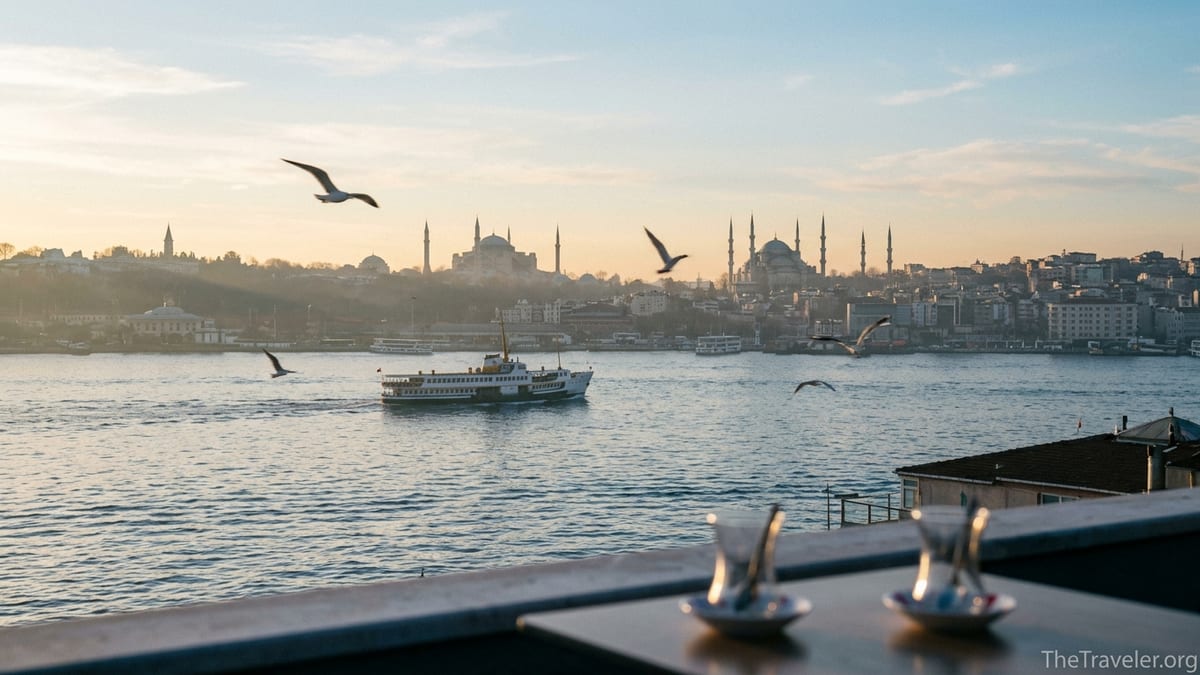
Hagia Sophia: Icon of Istanbul
Few landmarks define Istanbul like Hagia Sophia, the former Byzantine cathedral turned Ottoman imperial mosque. Today it functions as a mosque again, but foreign visitors access it through a controlled, ticketed system with airport‑style security and timed entry. As of mid‑2026, most travelers report paying the equivalent of roughly 25 to 35 euros per adult for official access tickets or guided visit packages, with children often discounted or free. Prices change frequently due to inflation and policy shifts, so it is wise to check a recent local source or your chosen tour provider shortly before you travel.
The interior combines soaring sixth‑century brickwork with Islamic calligraphy and partial views of original mosaics. Ongoing restoration means some sections are covered in scaffolding or temporarily roped off, and you should expect crowding almost any day of the week, especially between 10:00 and 15:00. Many visitors find early morning slots or later evening entries far more comfortable. Dress as you would for a mosque elsewhere: shoulders and knees covered, and women should bring a scarf to cover their hair, even if some tourists do not always follow the guidelines strictly.
Given the long queues at the on‑site ticket offices and reports of confusing pricing, pre‑booking here is usually worth it. One common strategy is to reserve a small‑group guided visit of about one hour, which includes priority entry and an explanation of the main architectural and historical features, then stay inside on your own afterward. This often costs only slightly more than a walk‑up ticket, yet can save you 30 to 60 minutes of standing in line in summer. If your time in Istanbul is short, Hagia Sophia is one of the first attractions to secure ahead of time.
Be aware of aggressive touts around Sultanahmet Square who approach with offers of “official” fast‑track tickets at inflated prices. To avoid this, either use the official ticket windows, a reputable local agency recommended by your accommodation, or established online providers that clearly state what is included and show prices in your home currency before checkout.
Blue Mosque and the Sultanahmet Historic Core
Opposite Hagia Sophia, the Sultan Ahmed Mosque, better known as the Blue Mosque, anchors the other side of Sultanahmet Square. Unlike Hagia Sophia, the Blue Mosque remains a fully functioning mosque with free entry, although donations are encouraged. Visiting hours for tourists are limited around prayer times, especially at midday and on Fridays, so check the prayer schedule and leave some flexibility in your itinerary. You will pass through a modest security check and be asked to remove your shoes before stepping onto the carpeted interior.
Compared with Hagia Sophia, the Blue Mosque feels more open and airy, with its blue İznik tiles and semi‑domes creating a layered effect rather than a single massive vault. Photography is allowed, but visitors should move quietly and avoid posing in front of people who are praying. You do not need to pre‑book your visit, and in most seasons the queue moves quickly, though in peak summer a short wait in the courtyard is normal. If you have limited time in Istanbul, you can usually see both Hagia Sophia and the Blue Mosque on the same morning, especially with a pre‑booked slot for the former.
The surrounding Sultanahmet area brings many of Istanbul’s headline sights within walking distance. The Hippodrome, now a public square, still preserves monuments like the Egyptian Obelisk and the Serpent Column. Just behind the Blue Mosque, Arasta Bazaar offers a quieter alternative to the Grand Bazaar, with shops selling ceramics, textiles and carpets. None of these require tickets. A common pattern for first‑time visitors is to book timed access for Hagia Sophia and possibly the Basilica Cistern, then keep the remainder of the day loosely planned to wander between the Blue Mosque, Hippodrome and nearby parks and cafés.
Foodwise, Sultanahmet itself is quite touristy, with many restaurants advertising oversized mixed grills to passing tour groups. For a more local feel without going far, consider walking 10 to 15 minutes toward the Sirkeci or Cağaloğlu areas, where you will find traditional lokantas that serve home‑style stews and vegetable dishes from a glass counter. Prices here tend to be significantly lower than on the main square, and the atmosphere is more reflective of everyday Istanbul.
Topkapı Palace, Basilica Cistern and the Grand Bazaar
Topkapı Palace, seat of the Ottoman sultans for roughly four centuries, is one of Istanbul’s most extensive attractions and rewards at least half a day. Standard adult tickets for foreigners are now typically priced in the range of 50 euros or the equivalent in Turkish lira for the main palace complex, with separate surcharges to enter the Harem apartments and Hagia Irene church. To see the courtyards, treasury, kitchens and Harem without rushing, plan on three to four hours. The entrance is a short uphill walk from Sultanahmet Square, passing through the first courtyard behind the Imperial Gate.
Queues for Topkapı Palace ticket windows can be long from late morning onward, particularly in April to October. Many visitors find a timed entry or a skip‑the‑line guided tour worthwhile here, especially if visiting on a tight schedule or with children. You can also consider an official museum pass that includes Topkapı and several other state‑run museums over a set number of days, though you should add up the individual ticket prices against your actual plan, since not all major sights are covered.
A few minutes away, beneath the streets near Hagia Sophia, the Basilica Cistern offers a completely different atmosphere. This vast underground water reservoir, supported by hundreds of marble columns, is dimly lit and usually accompanied by ambient music. Foreign visitor ticket prices have risen sharply in recent years and can approach 30 to 35 euros, especially for evening visits or bundled audio guides. Because daily capacity is limited and the site is extremely popular in hot weather, it is sensible to book your slot in advance when possible, or at least aim to visit early in the morning. Be cautious about outdated information online, as management and pricing have changed more than once in the last few years.
No first‑time visit to Istanbul feels complete without stepping into the Grand Bazaar, one of the world’s largest covered markets. Entry is free, and the labyrinth of lanes houses everything from gold jewelry and hand‑knotted carpets to leather jackets and souvenir magnets. While the bazaar no longer serves as the city’s main shopping center for locals, it remains a key place to see traditional crafts and experience the choreography of bargaining. Prices here are almost always negotiable. For example, a quoted price of the equivalent of 200 euros for a small wool rug might realistically settle at 120 to 140 euros after polite haggling, provided you are genuinely interested in buying.
Galata Tower, Bosphorus Cruises and Dolmabahçe Palace
Across the Golden Horn from the historic peninsula rises the cylindrical Galata Tower, a medieval stone structure that now serves as a viewing platform and small museum. After a major restoration and the introduction of stricter capacity limits, the tower admits a limited number of visitors per hour, leading to noticeable queues in the afternoons and at sunset. Official ticket prices for foreigners are now quoted in high Turkish lira amounts that roughly translate to the equivalent of 25 to 30 euros, though some travelers report paying more when audio guides or bundled extras are added at the window.
Because of the hourly capacity cap, it is wise to arrive either just after opening time or to secure an advance timed ticket through a reputable provider if you are aiming for golden‑hour views. From the top, you enjoy a 360‑degree panorama across the Bosphorus, the domes of the historic peninsula and the dense streets of Beyoğlu. Even if you skip the tower interior, the surrounding Galata neighborhood is an enjoyable place to wander, with steep cobbled streets, small cafés and vintage shops, and you can continue uphill toward İstiklal Avenue and Taksim Square.
To experience Istanbul’s defining geography, a Bosphorus cruise is strongly recommended and does not need to be expensive. Short public ferries that run between Eminönü, Karaköy and Üsküdar cost only a few euros and already provide classic skyline views. Longer tourist cruises of 1.5 to 2 hours, often including commentary and tea service, usually fall in the range of 15 to 30 euros per person depending on the operator and whether you choose a daytime, sunset or dinner sailing. For standard daytime or sunset trips in high season, it is usually enough to book earlier in the day at the official kiosks near the docks rather than weeks in advance online.
Further north along the European shore, Dolmabahçe Palace marks the 19th‑century shift of the Ottoman court to a European‑style waterfront residence. The interiors are elaborate, with crystal chandeliers, a grand ceremonial hall and ornate reception rooms. Ticket structures here can be confusing, separating the main palace, harem and additional galleries, with combined tickets for foreigners often ending up in the 35 to 40 euro range. Because entry is controlled by timed guided circuits, last‑minute tickets can sometimes sell out on busy days, so a same‑day or day‑before reservation is prudent if Dolmabahçe is a priority. Photography rules change occasionally, but flash and tripods are typically prohibited, and large bags must be checked at the entrance.
Exploring the Asian Side: Kadıköy, Üsküdar and Local Life
Catching a commuter ferry across the Bosphorus is one of the simplest and most rewarding experiences in Istanbul, and it hardly needs any advance planning. From Eminönü, Karaköy or Beşiktaş you can board a municipal ferry to Kadıköy or Üsküdar on the Asian side, paying just a few lira with an Istanbul transport card or a physical ticket. The ride itself, often around 20 minutes, delivers postcard views of Topkapı Palace, Galata Tower and the modern skyline, with seagulls hovering overhead and tea vendors circulating on board.
Kadıköy is a favorite among locals for its food market and relaxed, youthful vibe. Around the main square and the old market streets, you will find fishmongers, pickle stalls, meze bars and third‑wave coffee shops. Dinner at a traditional meyhane, where small plates of meze are paired with rakı, can cost anything from the equivalent of 20 to 40 euros per person depending on the number of dishes and drinks. Reservations are recommended on Friday and Saturday nights, but outside peak times you can often simply walk around and choose a place that looks lively with mostly Turkish patrons.
A short ferry ride north, Üsküdar offers a more conservative, residential feel, with waterfront mosques and boardwalks facing the city’s European skyline. From here it is easy to continue by bus or taxi to viewpoints such as Çamlıca Hill, which provides a sweeping panorama of both continents and the Bosphorus bridges. These local excursions generally do not require pre‑booking, and costs are modest compared with the flagship monuments. For many travelers, a half‑day self‑guided walk through Kadıköy or Üsküdar, combined with simple meals from local bakeries or kebab stands, becomes one of the most memorable parts of an Istanbul trip.
Because the Asian side is less oriented around ticketed attractions and more about neighborhoods, cafés and street life, advance planning here is mostly about restaurant choices. If you are targeting a particular high‑end spot recommended by international guides, reserve a table a week or more ahead for weekend evenings. For casual street food and traditional eateries, spontaneity works just fine.
Essential Food Experiences in Istanbul
Istanbul’s food scene mirrors its geography: a blend of Anatolian comfort dishes, Balkan influences and modern global twists. Many of the most satisfying experiences are inexpensive and require no booking. For breakfast, look for simit sellers around ferry docks and tram stops, offering sesame‑crusted bread rings for a small number of lira, often less than the price of a metro ticket. Pair one with a glass of strong Turkish tea and you have a classic on‑the‑go start to the day. In neighborhoods like Karaköy, Cihangir or Moda in Kadıköy, independent cafés serve more elaborate brunch plates, from menemen eggs with tomatoes and peppers to honey and clotted cream from the Black Sea region.
Street food stands are an integral part of the cityscape. Around Eminönü and Karaköy, fish sandwiches known as balık ekmek are grilled to order along the waterfront, usually cost in the rough range of 3 to 6 euros, and are best eaten standing by the railings as ferries come and go. Elsewhere you will encounter stuffed mussels, grilled corn, chestnuts in winter and dürüm wraps filled with döner, chicken or spicy Adana kebab. Food hygiene standards vary, so follow the usual travel rule of choosing vendors with constant turnover and locals in line. For dessert, try a slice of baklava in the Karaköy area or near İstiklal Avenue, where both historic pastry shops and modern chains display trays stacked with pistachio and walnut varieties.
For a more structured dive into Turkish cuisine, consider a small‑group food tour that combines several neighborhoods over four to five hours. Many reputable operators cap their groups at around eight to ten guests and include 8 to 10 different tastings, from breakfast spreads in a local lokanta to çiğ köfte, meze and baklava. Prices tend to fall in the 60 to 90 euro range per person, reflecting both the guide’s time and the food included. These tours usually run with fixed departure times and sell out in high season, so pre‑booking is recommended if you want this kind of curated introduction early in your stay.
At the top end, Istanbul’s fine‑dining scene has grown rapidly, with several restaurants appearing in international guides and lists. Tasting menus at such venues can range from the equivalent of 70 to well over 150 euros per person before wine. If you are planning to celebrate a special occasion with a Bosphorus‑view dinner or a contemporary Anatolian tasting menu, it is smart to reserve at least two or three weeks in advance for weekend evenings, and to confirm the dress code. For most travelers, though, the real charm lies in mid‑range meyhanes, neighborhood grills and dessert shops, which rarely require long‑term planning.
Attractions and Experiences Worth Pre‑Booking
In a city as busy as Istanbul, not everything needs a reservation, but some specific attractions and time slots do benefit from pre‑booking. As of 2026, the places where advance tickets or tours make the most difference are Hagia Sophia, Topkapı Palace, the Basilica Cistern, Galata Tower and certain Bosphorus dinner cruises or high‑end restaurants. These either operate with timed entry and daily capacity limits, or generate such long lines that skipping the ticket queue can save an hour or more on a typical summer day.
For Hagia Sophia, look for clearly described timed entry tickets or short guided visits that specify how many people are in each group and exactly which doors are used for access. Aim to schedule your visit for the morning before 10:00 or in the early evening. For Topkapı Palace, you can either pre‑book a skip‑the‑line tour that meets outside the first courtyard or rely on an official museum pass that allows you to bypass the ticket window and head straight to security. Keep in mind that Harem and some smaller sites may still require separate tickets, even if your main entrance is covered.
The Basilica Cistern and Galata Tower both operate with strong demand and, at times, online systems or third‑party resellers that can be confusing. Use up‑to‑date information from your accommodation, local tourism offices or well‑established operators, and be wary of unofficial websites that mimic official branding while charging significantly higher prices. If you prefer not to commit to exact times, consider at least planning which days of your stay you will devote to the historic peninsula and which to Beyoğlu, the Bosphorus and the Asian side, then leave some flexibility to adjust based on weather and energy levels.
Several experiences generally do not require advance booking and can be slotted in spontaneously. These include regular public ferry rides across the Bosphorus, visits to the Blue Mosque and most neighborhood mosques, entry to the Grand Bazaar and Egyptian Spice Bazaar, casual meals at lokantas and most street food, and self‑guided neighborhood walks in Kadıköy, Balat, Fener or Karaköy. The exception is certain highly rated hammams and rooftop bars, where evening peak slots fill up quickly. If you have your heart set on a specific historic bathhouse experience or a particular rooftop with a Hagia Sophia view, it is safe to reserve a time a few days ahead.
The Takeaway
Istanbul rewards both planners and wanderers. A small amount of structured booking focused on five or six key attractions can protect you from long queues and confusion, while leaving plenty of space for serendipitous discoveries in side streets, markets and ferry decks. Prioritize a timed visit to Hagia Sophia, allow generous hours for Topkapı Palace and the Basilica Cistern, and choose at least one vantage point, whether Galata Tower or a Bosphorus cruise, to appreciate the city’s unique geography. Beyond that, trust your feet and appetite to lead you to memorable neighborhood moments.
Prices and entry systems in Istanbul have been particularly volatile in recent years, especially at major monuments that attract large numbers of foreign visitors. Before you travel, check a recent source for approximate current fees, but accept that you may find slightly higher or lower prices on the ground. What remains constant is the city’s combination of history, water and food. Between a morning spent tracing Byzantine mosaics, an afternoon ferry to Kadıköy and an evening meyhane table full of meze, Istanbul offers enough variety to fill any itinerary, whether you stay for three days or three weeks.
FAQ
Q1. Do I need to pre‑book tickets for Hagia Sophia? For most visitors it is highly advisable to pre‑book, as same‑day queues at the ticket windows can exceed 30 to 60 minutes in high season and pricing can be confusing.
Q2. Is the Blue Mosque free to visit? Yes, entry to the Blue Mosque is free, although donations are welcomed, and you must respect visiting hours around prayer times and follow the mosque dress code.
Q3. Which Istanbul attractions are included in the main museum passes? Most national museum passes cover state‑run sites such as Topkapı Palace and certain archaeological museums, but usually exclude the Basilica Cistern and some mosque complexes, so you should always check the current list before buying.
Q4. How much time should I allocate for Topkapı Palace? To see the main courtyards, treasury, kitchens and the Harem at a comfortable pace, plan on at least three to four hours, especially if you enjoy historical details.
Q5. Are Bosphorus cruises better to book online or at the pier? Standard daytime and sunset cruises can usually be booked at official kiosks on the same day, while more elaborate dinner cruises with set menus and entertainment are better reserved online a few days in advance.
Q6. Is it worth going up Galata Tower if I am on a tight budget? If your budget is tight, you can skip the paid ascent and still enjoy excellent views from nearby rooftops and hilltop streets, but the tower’s 360‑degree platform is a memorable splurge for many first‑time visitors.
Q7. Do I need reservations for restaurants in Istanbul? Casual lokantas, street food spots and many meyhanes accept walk‑ins, but popular rooftop venues and fine‑dining restaurants often require reservations, especially on Friday and Saturday nights.
Q8. Is the Asian side of Istanbul worth a separate day? Yes, neighborhoods like Kadıköy and Üsküdar offer a more local, everyday atmosphere and excellent food, making them ideal for at least a half‑day trip by ferry.
Q9. Are guided food tours in Istanbul a good value? For travelers who want to sample a wide range of dishes and learn context quickly, small‑group food tours that include multiple tastings can be good value compared with assembling the same experiences independently.
Q10. How should I dress for visiting mosques and major sights? Dress modestly with shoulders and knees covered, women should carry a headscarf for mosques, and wear comfortable shoes that are easy to remove where required.